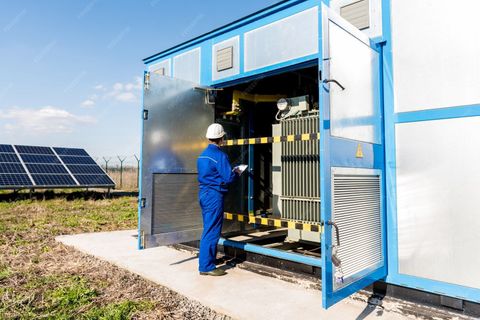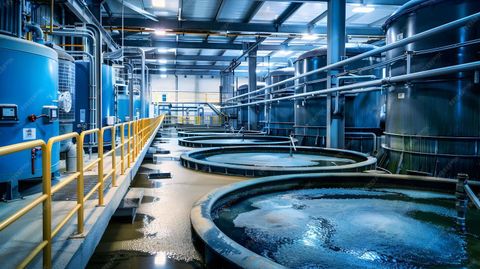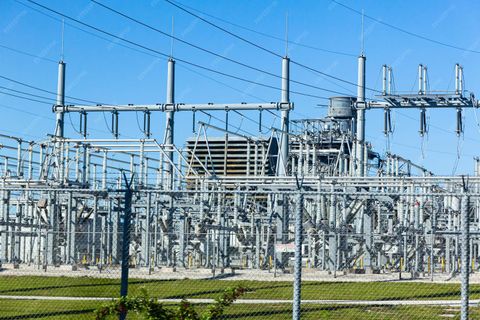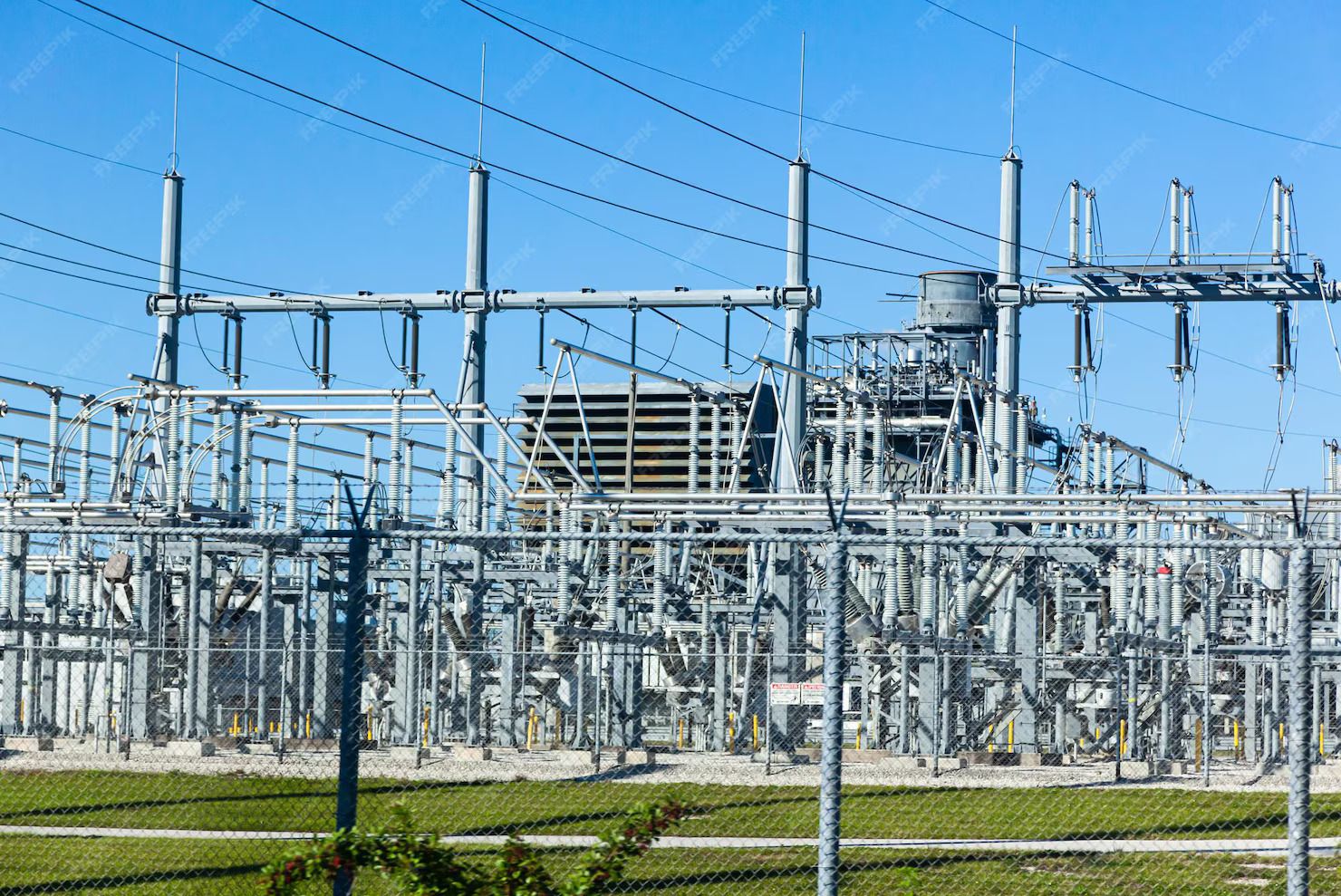
Industrial power stations are large facilities designed to produce electricity for cities, industries, and infrastructure. They convert different energy sources into electrical power that can be transmitted through power grids to homes, businesses, and public systems.
Electricity demand increased rapidly during the industrial revolution, when factories, rail systems, and manufacturing plants required reliable power sources. Small generators were no longer sufficient, so centralized power stations were developed to generate large volumes of electricity efficiently.
Modern power stations typically use energy sources such as:
- Coal
- Natural gas
- Nuclear fuel
- Hydropower
- Solar energy
- Wind energy
These stations operate through various technologies that convert energy into electricity. For example, thermal plants burn fuel to produce steam, which spins turbines connected to generators. Renewable plants, such as wind or solar facilities, convert natural energy flows directly into electrical energy.
The scale of industrial power stations allows them to support entire regions. A single facility may produce hundreds or even thousands of megawatts of electricity.
Basic Electricity Generation Process
| Step | Process | Explanation |
|---|---|---|
| Energy Source | Fuel or renewable input | Coal, gas, sunlight, wind, or water |
| Energy Conversion | Heat or motion created | Turbines rotate due to energy input |
| Electricity Generation | Generator produces power | Mechanical motion converted to electricity |
| Grid Distribution | Power transmitted | Electricity delivered through grid systems |
This system forms the backbone of modern energy infrastructure.
Why Industrial Power Stations Matter in Modern Society
Reliable electricity is essential for economic development, public safety, and everyday life. Industrial power stations help maintain continuous energy supply for many sectors.
Key areas supported by power stations
- Manufacturing industries
- Hospitals and healthcare facilities
- Transportation networks
- Data centers and digital infrastructure
- Water treatment plants
- Residential power supply
Without stable electricity generation, many essential systems would stop functioning. For example, hospitals depend on continuous power for medical equipment, while manufacturing facilities rely on electricity for automated production lines.
Another important role of industrial power stations is maintaining grid stability. Power demand fluctuates throughout the day. Large stations adjust production to balance supply and demand across the electricity network.
Example of Electricity Demand by Sector
| Sector | Estimated Global Consumption Share |
|---|---|
| Industrial Manufacturing | 40% |
| Residential Use | 27% |
| Commercial Buildings | 21% |
| Transportation Systems | 8% |
| Other Infrastructure | 4% |
Industrial power stations therefore support both economic productivity and daily human activities.
Energy reliability has also become increasingly important as societies rely more on digital technology. Data centers, cloud computing systems, and telecommunications infrastructure require continuous power availability.
Recent Developments and Trends in Industrial Power Generation
The global energy sector has undergone significant transformation in recent years. Several technological and policy changes are influencing how power stations operate.
Expansion of renewable energy
Between 2023 and 2025, many countries accelerated renewable power development. According to international energy reports, solar and wind energy installations increased significantly due to falling technology costs and climate commitments.
New power plants increasingly include:
- Solar photovoltaic generation
- Offshore wind turbines
- Battery energy storage systems
- Hybrid renewable power facilities
These technologies allow energy grids to diversify beyond traditional fossil fuels.
Smart grid integration
Modern industrial power stations are increasingly connected to smart grid systems. These digital networks use sensors, data analytics, and automated controls to balance energy production and consumption more efficiently.
Smart grid technologies enable:
- Real-time electricity demand monitoring
- Improved energy forecasting
- Faster response to grid disturbances
- Better integration of renewable power
Hydrogen and low-carbon energy research
Several countries launched hydrogen energy initiatives in 2024 and 2025. Hydrogen can be used as a fuel in turbines or fuel cells, offering potential low-emission electricity generation.
Some experimental power stations now test hydrogen-compatible turbines capable of operating with mixed hydrogen and natural gas fuels.
Increasing energy storage capacity
Battery storage facilities are being installed near industrial power stations to stabilize renewable electricity supply. Energy storage helps maintain consistent power output even when solar or wind conditions fluctuate.
These innovations are reshaping the future of power generation infrastructure.
Regulations and Government Policies Affecting Power Stations
Industrial power stations operate within strict regulatory frameworks designed to ensure safety, environmental protection, and grid reliability.
Most countries regulate power generation through energy authorities or environmental agencies.
Common regulatory areas
- Emission standards for power plants
- Safety requirements for turbines and generators
- Environmental impact assessments
- Grid reliability standards
- Nuclear safety oversight (where applicable)
For example, many countries introduced stricter emission guidelines between 2023 and 2024 to reduce air pollution from coal-based power plants.
International climate agreements also influence national policies. Governments may encourage renewable power generation through incentives, grid modernization programs, or renewable energy targets.
Example policy focus areas
| Policy Area | Purpose |
|---|---|
| Carbon emission limits | Reduce environmental impact |
| Renewable energy targets | Encourage cleaner power generation |
| Grid modernization | Improve reliability and efficiency |
| Energy efficiency standards | Reduce fuel consumption |
These policies aim to balance energy supply needs with environmental sustainability.
Power stations must also follow operational monitoring requirements to ensure safe functioning of turbines, boilers, reactors, and transmission systems.
Tools and Resources Related to Power Generation
Many digital tools and platforms help researchers, engineers, policymakers, and analysts understand electricity generation and power systems.
Energy data platforms
- International Energy Agency (IEA) statistics portal
- Energy Information Administration (EIA) energy data tools
- Global electricity generation dashboards
These platforms provide real-time data on electricity production, energy consumption, and global power trends.
Electricity system calculators
Energy calculators allow users to estimate electricity generation capacity and efficiency.
Examples include:
- Power plant efficiency calculators
- Energy demand estimation tools
- Grid load forecasting models
Power engineering simulation software
Specialized engineering software helps simulate power plant performance.
Examples include:
- Power system modeling tools
- Grid simulation platforms
- Renewable generation forecasting systems
Educational resources
Several online platforms offer technical learning materials about electricity generation.
Common resource types include:
- Power engineering textbooks
- Online training modules
- Energy technology research publications
- Academic journals related to energy systems
These resources help students, researchers, and professionals better understand industrial power infrastructure.
Frequently Asked Questions About Industrial Power Stations
What is the main purpose of an industrial power station?
The primary purpose is to generate large amounts of electricity that can be distributed through power grids to industries, homes, and infrastructure systems.
What types of fuels do power stations use?
Power stations may use fossil fuels such as coal or natural gas, nuclear fuel, or renewable energy sources like wind, water, and sunlight.
How much electricity can a large power station generate?
Large industrial power stations can generate between 500 megawatts and over 3,000 megawatts, depending on their design and energy source.
Are renewable power stations replacing traditional plants?
Renewable energy facilities are expanding rapidly, but many regions still operate a mix of renewable, nuclear, and thermal power stations to maintain stable electricity supply.
Why are power stations important for grid stability?
Power stations regulate electricity production to match real-time demand, preventing power shortages or grid failures.
Conclusion
Industrial power stations play a central role in modern energy systems. They generate the electricity required to operate cities, industries, healthcare systems, and digital infrastructure.
Over time, power generation technologies have evolved from traditional coal-based plants to diversified energy systems that include renewable sources, nuclear power, and advanced energy storage technologies.
Recent developments in smart grid integration, renewable energy expansion, and hydrogen fuel research indicate that power generation systems will continue to evolve in response to environmental concerns and technological innovation.
At the same time, regulatory frameworks and international climate policies are shaping how future power stations are designed and operated.
Understanding how industrial power stations work helps provide insight into the complex systems that support global electricity supply and modern economic activity.