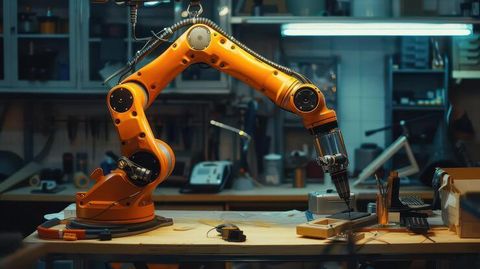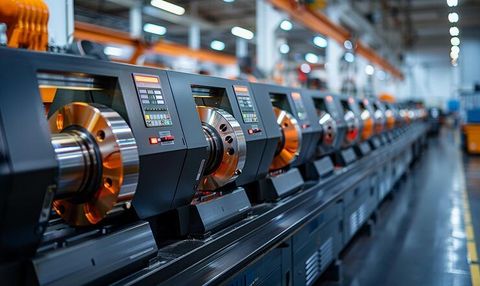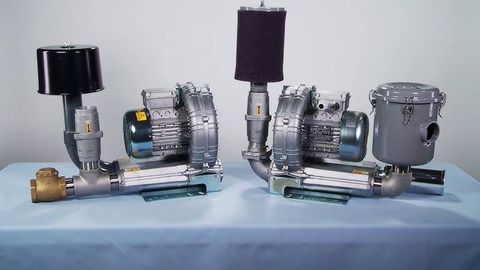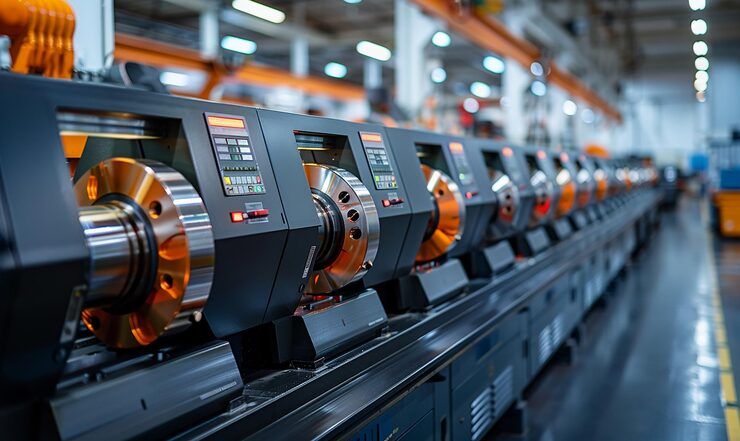
Industrial production systems tools are the methods, technologies, and software used to plan, manage, monitor, and improve manufacturing operations. These tools help industries organize production activities, maintain consistent quality, reduce waste, and improve overall operational efficiency. From small manufacturing units to large industrial plants, production systems tools support every stage of the production cycle.
Modern manufacturing has become increasingly connected and data-driven. Instead of relying only on manual processes, industries now use digital systems, automation equipment, monitoring software, and analytical tools to keep production running smoothly. These systems work together to ensure that raw materials, machines, workers, and finished products move through the manufacturing process in an organized and efficient way.
Industrial production systems tools are used across sectors such as automotive manufacturing, electronics, pharmaceuticals, textiles, food processing, chemical production, aerospace, and heavy engineering. Although every industry has unique production requirements, the goal remains the same: producing high-quality products efficiently while minimizing downtime and resource waste.
Why Industrial Production Systems Tools Matter Today
Manufacturing industries face increasing demand for faster production, better product quality, lower operational waste, and improved workplace safety. Industrial production systems tools help organizations respond to these challenges by creating standardized and measurable production processes.
These tools improve communication between production teams, maintenance departments, inventory managers, and quality control teams. Instead of working independently, departments can access shared production data and coordinate activities more effectively.
Production systems tools also support better decision-making. Managers can monitor production output, machine performance, inventory levels, and production schedules in real time. This visibility helps identify bottlenecks before they become major operational problems.
As industries continue adopting automation and smart manufacturing practices, production systems tools have become an important part of digital transformation initiatives across manufacturing facilities worldwide.
How Industrial Production Systems Tools Work in Manufacturing
Industrial production systems tools operate throughout the manufacturing workflow, from planning production to delivering finished products. They collect information from machines, sensors, operators, and production software, then organize that information into useful insights for production management.
The production process usually begins with production planning, where manufacturing schedules are created based on customer demand, available resources, and inventory levels. Once production starts, monitoring tools track machine performance, production speed, material consumption, and product quality.
Quality management systems inspect products during different production stages to detect defects early. Maintenance systems monitor equipment health and schedule preventive servicing before failures occur. Inventory management tools ensure raw materials and finished goods remain available without creating unnecessary stock.
By connecting these processes, production systems tools create a continuous flow of information that helps manufacturers improve productivity and maintain consistent operational performance.
Main Types of Industrial Production Systems Tools
Industrial production systems include several categories of tools, each serving a different function within manufacturing operations.
Production Planning Tools
Production planning tools organize manufacturing schedules and allocate available resources efficiently. They help determine production quantities, machine availability, labor requirements, and delivery timelines. Effective planning reduces idle machine time and improves production flow.
Manufacturing Execution Systems
Manufacturing Execution Systems, often called MES, monitor production activities on the factory floor. These systems collect production data, track work orders, monitor equipment performance, and provide real-time visibility into manufacturing operations.
Enterprise Resource Planning Systems
Enterprise Resource Planning systems connect production with inventory, procurement, finance, logistics, and human resources. ERP systems allow manufacturers to coordinate business operations using centralized production information.
Quality Management Systems
Quality management tools help maintain product consistency by monitoring inspections, testing procedures, defect reporting, corrective actions, and compliance documentation throughout manufacturing processes.
Maintenance Management Systems
Maintenance management systems schedule equipment inspections, preventive maintenance, spare parts management, and repair activities. These tools help reduce unexpected equipment failures and production downtime.
Industrial Automation Tools
Automation tools include programmable controllers, robotics, industrial sensors, machine vision systems, and automated production equipment that improve production accuracy and operational consistency.
Important Components of an Industrial Production System
Every industrial production system combines physical equipment with digital monitoring and management tools.
Production Component | Purpose in Manufacturing |
| Production planning | Organizes manufacturing schedules and production priorities. |
| Machine monitoring | Tracks equipment performance and operational status. |
| Inventory management | Controls raw materials, components, and finished products. |
| Quality control | Inspects products and identifies production defects. |
| Maintenance scheduling | Plans preventive maintenance and equipment servicing. |
| Production analytics | Measures productivity, efficiency, and operational performance. |
Together, these components create a structured manufacturing environment where production activities become easier to monitor and improve.
Common Industrial Production Systems Used in Modern Manufacturing
Manufacturing organizations use different production systems depending on product type, production volume, and customer demand.
Batch Production System
Batch production manufactures products in groups rather than continuously. This approach is common in pharmaceuticals, food processing, cosmetics, and specialty manufacturing where production changes between product batches.
Continuous Production System
Continuous production operates without significant interruptions and is widely used in industries such as chemicals, petroleum refining, steel manufacturing, and paper production.
Mass Production System
Mass production focuses on manufacturing large volumes of standardized products using assembly lines and automated equipment. Automotive and consumer electronics manufacturing commonly use this production model.
Job Production System
Job production creates customized products based on individual customer requirements. Heavy engineering, machinery manufacturing, furniture production, and specialized fabrication often use this approach.
Flexible Manufacturing System
Flexible manufacturing systems combine automation and programmable machinery to produce different products with minimal production changeover time. This approach supports modern manufacturing environments with varying customer demands.
Role of Automation in Industrial Production Systems
Automation has transformed industrial production systems by reducing repetitive manual tasks and increasing production consistency. Automated systems perform operations with high accuracy while collecting valuable production data for analysis.
Programmable Logic Controllers coordinate machinery operations throughout production lines. Industrial robots handle assembly, welding, painting, packaging, and material handling tasks. Machine vision systems inspect products automatically using cameras and image analysis.
Automation also improves workplace safety by performing hazardous or repetitive operations that may expose workers to physical risks. Human operators increasingly supervise automated systems instead of performing repetitive production tasks directly.
The combination of automation and monitoring systems helps manufacturers achieve faster production cycles while maintaining consistent quality standards.
Data and Analytics in Production Management
Modern industrial production systems generate large amounts of operational data. Production analytics tools convert this information into measurable performance indicators that support operational improvements.
Manufacturers monitor production output, machine utilization, energy consumption, production cycle times, equipment downtime, product defect rates, and inventory movement. These measurements help identify production bottlenecks and opportunities for improvement.
Predictive analytics allows maintenance teams to identify equipment conditions before failures occur. Historical production data also helps forecast production demand and optimize manufacturing schedules.
Data-driven production management enables continuous improvement by replacing assumptions with measurable operational insights.
Quality Control Throughout the Production Process
Quality control is integrated into industrial production systems rather than performed only after production is complete. Inspection tools monitor product quality during multiple production stages.
Raw materials are inspected before entering production. Components undergo dimensional measurements, visual inspections, and performance testing during manufacturing. Finished products receive final inspections before packaging and distribution.
Digital quality management systems record inspection results, identify recurring production issues, and track corrective actions. This documentation helps manufacturers maintain product consistency and improve future production processes.
Continuous quality monitoring reduces waste because defects can be identified earlier in the manufacturing cycle.
Maintenance Tools That Support Continuous Production
Reliable equipment is essential for uninterrupted manufacturing operations. Maintenance tools help manufacturers move from reactive repairs toward preventive and predictive maintenance strategies.
Preventive maintenance schedules inspections, lubrication, calibration, cleaning, and replacement of wear components before failures occur. Predictive maintenance uses machine sensors and operational data to monitor equipment health continuously.
Maintenance management systems also organize spare parts inventories, maintenance histories, technician schedules, and repair documentation. This improves equipment reliability while reducing unexpected production interruptions.
A well-maintained production system generally experiences fewer emergency shutdowns and longer equipment operating life.
Benefits of Using Industrial Production Systems Tools
Industrial production systems tools improve manufacturing performance in multiple areas. Production becomes more organized because schedules, inventory, equipment, and quality processes operate through connected systems.
Operational efficiency improves through better resource utilization and reduced production delays. Manufacturers gain better visibility into production performance, allowing faster responses to operational issues.
These tools also improve product consistency by standardizing production procedures and monitoring quality throughout manufacturing. Maintenance planning becomes more proactive, reducing downtime caused by equipment failures.
Workplace safety improves because automated systems perform hazardous operations while monitoring systems detect equipment abnormalities earlier. Overall, production systems help organizations maintain stable and measurable manufacturing operations.
Industries That Depend on Production Systems Tools
Industrial production systems tools are used across many manufacturing sectors with different operational requirements.
Industry | Production System Application |
| Automotive manufacturing | Assembly lines, robotics, quality inspections, and production scheduling. |
| Electronics production | Component assembly, precision manufacturing, and testing systems. |
| Food processing | Batch production, packaging automation, and quality monitoring. |
| Pharmaceutical manufacturing | Batch tracking, compliance documentation, and production validation. |
| Textile manufacturing | Production planning, machine monitoring, and inventory management. |
| Chemical production | Continuous production control and process monitoring systems. |
Although production methods differ, these industries all rely on structured systems for efficiency, quality, and operational control.
Recent Trends in Industrial Production Systems
Industrial production systems continue evolving with digital manufacturing technologies. Smart factories now connect machines, sensors, software platforms, and production analytics into integrated production environments.
Artificial intelligence is increasingly used to analyze production data, detect quality issues, optimize production schedules, and support predictive maintenance decisions. Digital twins create virtual models of production equipment that help manufacturers simulate operational changes before implementing them.
Cloud-based production management systems provide access to production information across multiple facilities, improving coordination between manufacturing plants and management teams.
Industrial Internet of Things technology enables connected sensors that monitor equipment performance, environmental conditions, and production processes continuously. These innovations help manufacturers improve operational visibility and respond more quickly to production changes.
Sustainability has also become an important manufacturing trend. Production systems now include tools for monitoring energy consumption, material efficiency, waste reduction, and environmental performance alongside traditional productivity measurements.
Challenges When Implementing Production Systems Tools
Implementing industrial production systems requires careful planning and coordination. Manufacturing facilities often operate with existing equipment that must integrate with newer digital technologies.
Employee training is important because operators, technicians, engineers, and managers need to understand new software platforms and production workflows. Data quality is another challenge since inaccurate production information can affect planning and operational decisions.
Cybersecurity has become increasingly important as manufacturing systems become connected through industrial networks. Organizations also need reliable maintenance and technical support to ensure production systems remain operational after implementation.
Successful implementation typically focuses on gradual improvements rather than replacing every production process simultaneously.
The Future of Industrial Production Systems Tools
Industrial production systems are moving toward greater connectivity, automation, intelligence, and sustainability. Future production environments will increasingly combine artificial intelligence, robotics, advanced analytics, digital twins, and connected industrial devices into integrated manufacturing ecosystems.
Manufacturers are expected to rely more on real-time production visibility, automated quality inspection, predictive maintenance, and flexible manufacturing systems capable of adapting to changing customer demand. Human workers will continue playing an important role by supervising automated processes, interpreting production data, and managing complex manufacturing operations.
As manufacturing technologies continue advancing, industrial production systems tools will remain central to improving efficiency, maintaining product quality, reducing operational waste, and supporting safer and more sustainable industrial production.
Conclusion
Industrial production systems tools form the foundation of modern manufacturing by connecting planning, production, quality control, maintenance, inventory management, and data analytics into one coordinated workflow. These tools help manufacturers organize operations, improve productivity, reduce downtime, and maintain consistent product quality across different industries.
As manufacturing becomes more digital and connected, production systems continue evolving through automation, smart monitoring, artificial intelligence, and industrial data analytics. Understanding how these tools work provides valuable insight into the technologies shaping today's factories and the future of industrial production worldwide.