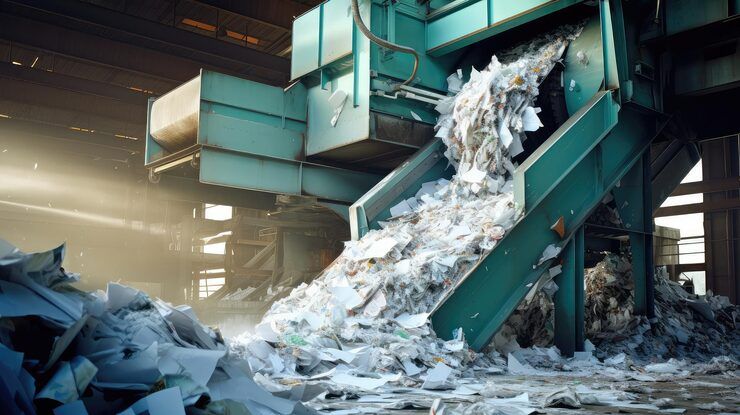
Industrial shredding refers to mechanical processes used to reduce large materials into smaller, manageable pieces. These machines are designed to handle solid materials that are difficult to process manually or with standard cutting equipment. Shredding systems are commonly used in manufacturing, recycling, waste handling, and material recovery operations.
The core purpose of industrial shredding machinery is material size reduction. By breaking down materials into consistent sizes, shredders support downstream processes such as sorting, separation, recycling, and reuse. Industrial shredders are built to operate continuously under heavy loads and are engineered to manage metals, plastics, rubber, wood, paper, textiles, and composite materials.
Unlike household shredders, industrial shredding machines are designed for durability, high torque, and precise output control. Their designs vary depending on material type, throughput needs, and safety requirements. Industrial shredding technology exists to support large-scale material processing across multiple sectors.
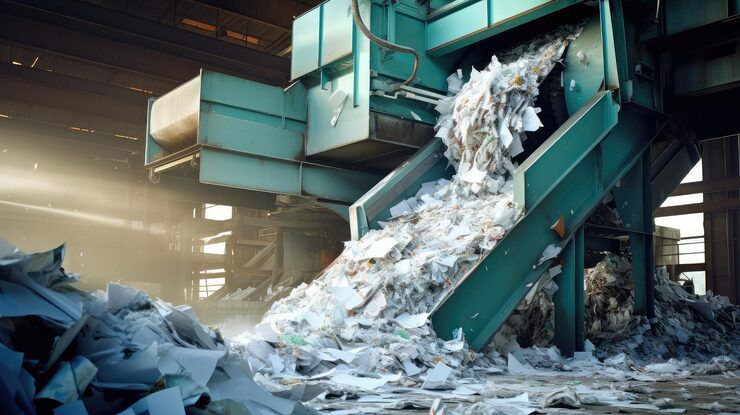
Importance: Why Industrial Shredding Matters Today
Industrial shredding plays an essential role in modern industrial and environmental systems. As production volumes increase and material diversity expands, efficient size reduction becomes necessary for safe handling and responsible material management.
Key reasons industrial shredding remains important include:
-
Supporting material recovery and recycling workflows
-
Reducing storage and transportation volume
-
Preparing materials for secondary processing
-
Improving safety by managing bulky or sharp materials
-
Supporting waste reduction initiatives
Industries affected by industrial shredding include manufacturing, construction, packaging, automotive, electronics, and waste management. Shredding systems help organizations process scrap materials and post-use products in a controlled and standardized way.
The ability to process mixed or hard materials has made shredding a foundational step in many industrial operations. Without effective shredding, material separation, recycling efficiency, and operational consistency are significantly reduced.
Machinery Types Used in Industrial Shredding
Industrial shredding machinery is categorized based on shaft configuration, cutting mechanism, and intended material type. Each design serves a specific operational purpose.
Single-Shaft Shredders
Single-shaft shredders use a rotating shaft equipped with cutting blades and a hydraulic pusher. These machines are suitable for uniform material processing.
Common applications include:
-
Plastic products
-
Wood waste
-
Paper and cardboard
-
Light metal components
Dual-Shaft Shredders
Dual-shaft shredders use two counter-rotating shafts to tear materials apart. They are known for high torque and slow-speed operation.
Typical uses include:
-
Industrial scrap
-
Electronic waste
-
Rubber materials
-
Mixed solid materials
Four-Shaft Shredders
Four-shaft shredders combine primary shredding and secondary sizing in one system. They produce more uniform output.
Often used for:
-
Secure material destruction
-
Electronic components
-
Controlled particle size applications
Hammer Mills
Hammer mills use rotating hammers to impact and fracture materials. They are effective for brittle materials and fine output requirements.
Used for:
-
Metal fragments
-
Glass materials
-
Aggregate processing
Table: Comparison of Industrial Shredding Machinery Types
| Shredder Type | Shaft Design | Material Handling | Output Control | Typical Speed |
|---|---|---|---|---|
| Single-Shaft | One rotating shaft | Uniform materials | Medium | Moderate |
| Dual-Shaft | Two counter-rotating shafts | Mixed materials | Low | Slow |
| Four-Shaft | Four synchronized shafts | Sensitive materials | High | Slow |
| Hammer Mill | Impact-based | Brittle materials | High | Fast |
Uses of Industrial Shredding Across Sectors
Industrial shredding is applied across multiple industries due to its adaptability and efficiency.
Manufacturing and Production
Shredding systems manage production scrap, rejected parts, and offcuts. This improves material flow and reduces handling complexity.
Recycling and Material Recovery
Shredders prepare materials for separation technologies such as magnetic sorting, air classification, and screening.
Construction and Demolition
Bulky materials like wood, plastics, and insulation materials are reduced for easier transport and processing.
Electronics Processing
Industrial shredding supports secure breakdown of electronic components for material separation and recovery.
Recent Updates and Industry Trends
Over the past year, industrial shredding technology has continued to evolve, particularly in automation and system monitoring.
Notable developments include:
-
2024: Increased use of sensor-based load monitoring to improve operational safety
-
2024: Integration of automated reverse functions to reduce material jamming
-
2025: Growing focus on energy-efficient motor systems
-
2025: Expansion of modular shredder designs for flexible output sizing
There has also been a rise in demand for shredding systems capable of handling mixed materials. This trend reflects changing material streams and increased recycling complexity.
Digital control panels and predictive maintenance systems are becoming more common, helping operators monitor wear patterns and system performance.
Table: Emerging Trends in Industrial Shredding
| Trend Area | Description | Industry Impact |
|---|---|---|
| Automation | Smart controls and sensors | Improved consistency |
| Energy Use | Efficient drive systems | Reduced power load |
| Modular Design | Adjustable cutting systems | Flexible processing |
| Safety Systems | Load detection and auto-stop | Risk reduction |
Laws and Policies Affecting Industrial Shredding
Industrial shredding operations are influenced by environmental, safety, and waste management regulations. These policies guide how materials are processed and managed.
Common regulatory focus areas include:
-
Waste handling and disposal standards
-
Occupational safety requirements
-
Noise and emission controls
-
Material traceability
Many regions enforce extended producer responsibility frameworks that encourage material recovery. Industrial shredding supports compliance by enabling controlled material breakdown.
Environmental policies also emphasize waste reduction and recycling targets. Shredding machinery plays a role by preparing materials for compliant recycling processes.
Safety regulations require machine guarding, emergency stop mechanisms, and operator training. Modern shredding systems are designed to align with these requirements.
Tools and Resources Related to Industrial Shredding
Several tools and resources support industrial shredding operations and planning:
-
Material flow calculators for throughput estimation
-
Maintenance tracking software for blade wear monitoring
-
Energy consumption assessment tools
-
Safety compliance checklists
-
Industrial equipment standards documentation
Technical manuals and digital monitoring platforms help operators understand machine performance and maintenance cycles. These resources improve reliability and operational awareness.
FAQs About Industrial Shredding
What materials can industrial shredders process?
Industrial shredders can process metals, plastics, rubber, wood, paper, textiles, and mixed industrial waste, depending on machine design.
How does shredding improve recycling efficiency?
Shredding reduces material size, making sorting, separation, and material recovery more effective and consistent.
What determines shredder output size?
Output size depends on blade configuration, screen size, shaft speed, and machine type.
Are industrial shredders designed for continuous operation?
Yes, most industrial shredders are engineered for extended operation under heavy-duty conditions.
How is operator safety addressed in shredding systems?
Safety features include overload protection, emergency stops, enclosed cutting chambers, and automated shutdown functions.
Conclusion
Industrial shredding machinery plays a vital role in modern material processing systems. By reducing size and improving material handling, shredders support recycling, manufacturing efficiency, and waste reduction objectives.
Different shredder types address varied material characteristics and operational requirements. Ongoing advancements in automation, energy efficiency, and safety continue to shape the development of industrial shredding systems.
Understanding machinery types, applications, and regulatory influences helps organizations make informed decisions about material processing strategies. Industrial shredding remains a foundational technology in managing complex material streams across industries.