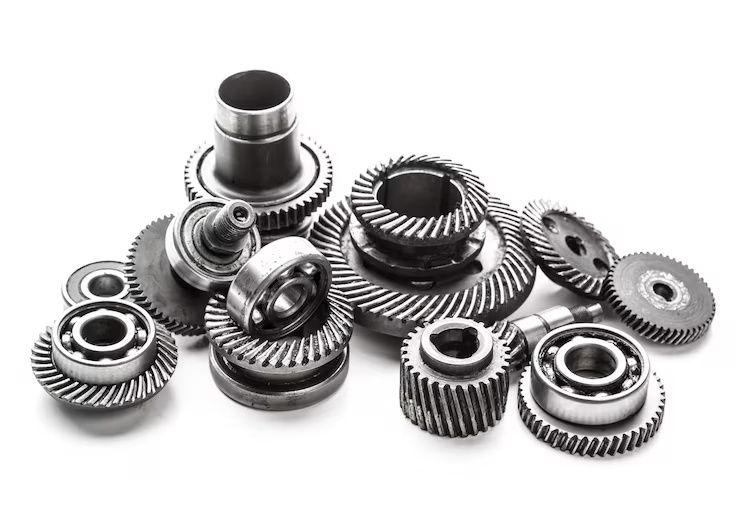
Industrial spare parts are essential components used to maintain, repair, and optimize machinery in factories, processing plants, and industrial facilities. These parts ensure continuous production, reduce downtime, and support long-term operational reliability.
They exist because machinery undergoes wear, vibration, and environmental stress. Without replacement parts, equipment failure would disrupt production lines, reduce efficiency, and increase maintenance costs. Spare parts enable engineers to restore performance quickly and keep systems running safely.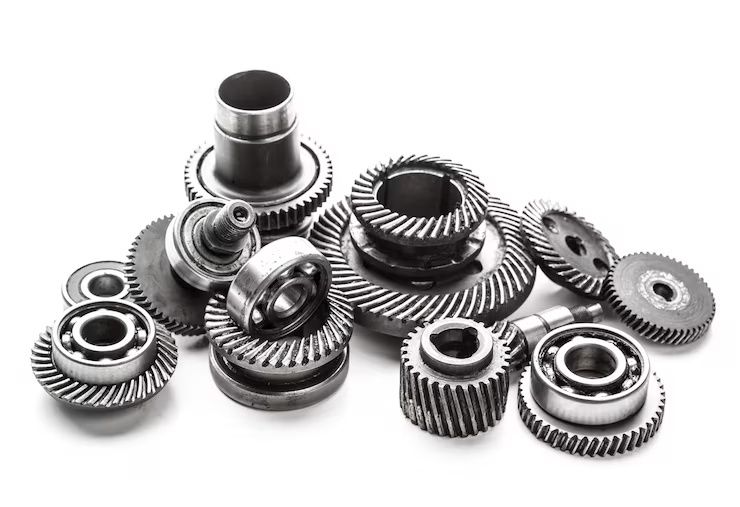
Importance: Why Industrial Spare Parts Matter Today
Industrial spare parts play a critical role in maintaining operational stability across industries.
Why they are essential:
-
Minimize downtime: Fast replacement ensures uninterrupted production.
-
Improve reliability: Wear-prone components can be replaced before major failures.
-
Extend machine lifespan: Regular replacement reduces long-term mechanical stress.
-
Support preventive maintenance: Spare parts help maintain performance benchmarks.
-
Ensure safety: Faulty components can lead to hazards; replacements prevent accidents.
Industries such as automotive, oil and gas, power generation, mining, food processing, chemical plants, and manufacturing rely heavily on quality spare parts to maintain consistent output.
Recent Updates: Trends in Industrial Spare Parts (2024–2025)
The spare parts sector is evolving with modern technologies, improved materials, and digital optimization:
-
Predictive maintenance growth: AI-driven analytics now forecast part failures before they occur.
-
3D-printed spare parts: Customized, on-demand parts reduce waiting time in critical industries.
-
Digital spare parts catalogs: Easier traceability and documentation through online platforms.
-
Smart components: Sensors integrated into bearings, belts, and motors to monitor performance.
-
Sustainable materials: Improved eco-friendly alloys and polymer composites for longer part life.
-
Robotic and automated replacements: Automated lines now assist in quick installation of parts.
These advancements help industries manage spare parts more efficiently and reduce downtime.
Laws or Policies Affecting Industrial Spare Parts
Industrial components must meet strict standards for safety, durability, and compatibility.
Key regulatory considerations:
-
ISO Standards – Material quality, dimensional accuracy, and manufacturing practices.
-
ASTM Specifications – Steel grades, material testing, and performance requirements.
-
OEM Compliance Guidelines – Ensure interchangeability and safety for specific machinery.
-
REACH & RoHS – Regulate chemicals used in metal coatings and polymers.
-
Machinery Safety Regulations – Outline minimum acceptable performance for industrial parts.
These regulations ensure spare parts meet technical expectations and safety requirements across different industries.
Industrial Spare Parts Overview (One-Box Table Format)
| Category | Description | Typical Applications |
|---|---|---|
| Mechanical Spare Parts | Components involved in movement, load handling, and mechanical function | Bearings, gears, shafts, belts, couplings |
| Electrical Spare Parts | Devices supporting electrical systems | Motors, sensors, relays, switches |
| Hydraulic & Pneumatic Parts | Components that transmit power using fluid or air pressure | Pumps, valves, cylinders, hoses |
| Wear & Tear Parts | Frequently replaced due to friction or pressure | Seals, gaskets, filters, chains |
| Control & Automation Parts | Support machine automation and monitoring | PLC modules, drives, control panels |
| Fasteners & Structural Parts | Connect and secure machine components | Screws, bolts, nuts, brackets |
Types of Industrial Spare Parts Explained
1. Mechanical Parts
Includes bearings, shafts, gears, pulleys, belts, couplings, and chains. These parts enable rotational and linear motion across machinery.
2. Electrical Parts
Motors, control panels, fuses, circuit breakers, and wiring components support electrical power distribution and automation.
3. Hydraulic Parts
Pumps, rams, fluid motors, valves, and hoses transmit power under high pressure for heavy-duty applications.
4. Pneumatic Parts
Compressors, air cylinders, regulators, and solenoid valves operate with compressed air for automation lines.
5. Wear Components
Parts like seals, filters, gaskets, and O-rings degrade over time and require frequent replacement.
6. Instrumentation Parts
Sensors, gauges, flow meters, and transducers measure temperature, pressure, speed, and flow.
Materials Used for Industrial Spare Parts
Spare parts must withstand stress, temperature, vibration, or chemical exposure. Common materials include:
| Material | Properties | Usage |
|---|---|---|
| Carbon Steel | Strong & cost-efficient | Shafts, gears, bolts |
| Stainless Steel | Corrosion-resistant | Food, chemical, water industries |
| Cast Iron | High compressive strength | Pump housings, engine blocks |
| Bronze & Brass | Low friction & conductive | Bearings, electrical parts |
| Engineering Plastics | Lightweight & wear-resistant | Gears, seals, guides |
| Rubber & Elastomers | Flexible & sealing capability | Gaskets, hoses, O-rings |
Applications Across Industrial Sectors
1. Manufacturing Plants
Used for assembly line machinery, conveyors, machining tools, and robotic systems.
2. Oil & Gas
Critical for pumps, valves, compressors, drilling equipment, and control systems.
3. Automotive
Used in engines, transmissions, suspension systems, and production equipment.
4. Food & Beverage
Stainless steel parts resist corrosion and meet hygiene standards.
5. Power Generation
Turbine components, cooling systems, and electrical panels rely on reliable spare parts.
6. Mining & Heavy Industry
Bearings, hydraulic cylinders, and wear plates withstand high loads and harsh environments.
Machinery & Maintenance: How Spare Parts Support Industrial Operations
A structured maintenance strategy depends heavily on spare parts availability.
1. Preventive Maintenance
Scheduled replacement of parts before failure to maintain consistent performance.
2. Predictive Maintenance
AI-based monitoring systems analyze vibration, temperature, and wear to predict the right replacement time.
3. Corrective Maintenance
Repairs performed after a part fails, requiring quick access to spare components.
Industries often maintain critical spare part inventories to avoid costly downtime.
How to Choose the Right Industrial Spare Part
Selecting the correct component ensures machine reliability and safety. Key considerations include:
1. Compatibility
Parts must match machine model, specifications, and OEM requirements.
2. Material Selection
Consider temperature, load, chemical exposure, and vibration.
3. Performance Ratings
Check pressure limits, torque capacity, speed ratings, or electrical load.
4. Dimensional Accuracy
Even minor deviations can cause misalignment, wear, or system failure.
5. Durability & Service Life
Choose parts designed for long-term reliability under operational conditions.
6. Certification & Standards
Ensure compliance with ISO, ASTM, CE, or other relevant certifications.
7. Availability & Lead Time
Fast access to spare parts minimizes downtime risks.
Strength, Lifespan & Testing of Industrial Parts
Industrial spare parts undergo testing to ensure quality:
-
Load testing
-
Fatigue testing
-
Dimensional inspection
-
Hardness testing
-
Chemical resistance evaluation
-
Pressure testing (for hydraulic/pneumatic parts)
These tests ensure the part can withstand operational stress.
Tools & Resources for Spare Part Selection
Useful tools include:
-
Material compatibility charts
-
Engineering manuals
-
Torque calculators
-
Bearing selection guides
-
Motor sizing tools
-
OEM documentation
-
Equipment maintenance logs
These resources support accurate and reliable part selection.
FAQs
1. Why are spare parts essential?
They prevent downtime, ensure safety, and extend machine lifespan.
2. What is the difference between OEM and aftermarket spare parts?
OEM parts match original specifications; aftermarket parts may offer alternatives but require compatibility checks.
3. Which parts are replaced most frequently?
Belts, seals, bearings, filters, gaskets, and electrical components.
4. How do I know when a part needs replacement?
Monitoring systems, visual inspection, and performance drops indicate wear.
5. Can 3D-printed spare parts replace traditional components?
Yes, for non-critical components, but structural parts still require certified materials.
Conclusion
Industrial spare parts are essential for keeping machinery safe, efficient, and operational in manufacturing and heavy industries. Understanding part types, applications, materials, strength requirements, and maintenance strategies helps engineers make informed decisions. With advancements in predictive maintenance, digital cataloging, and precision engineering, spare parts management continues to evolve into a smarter and more reliable part of industrial operations.