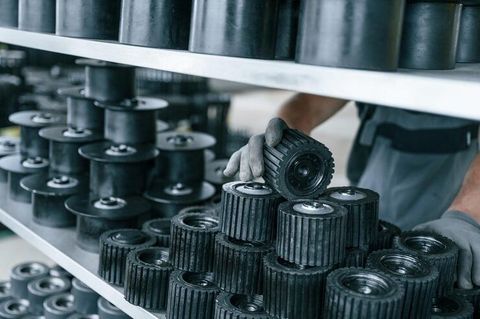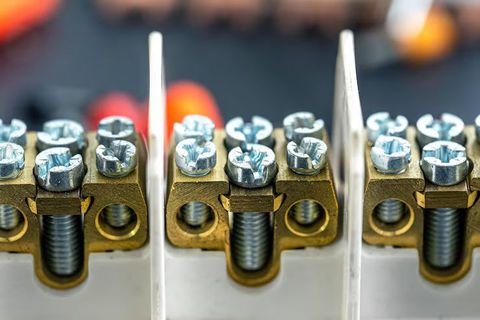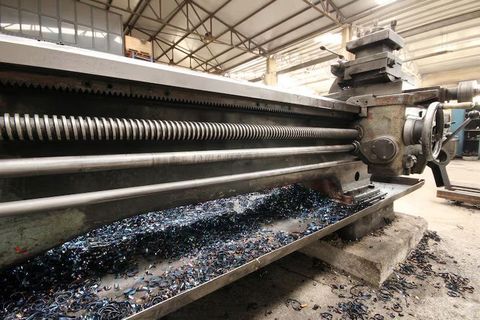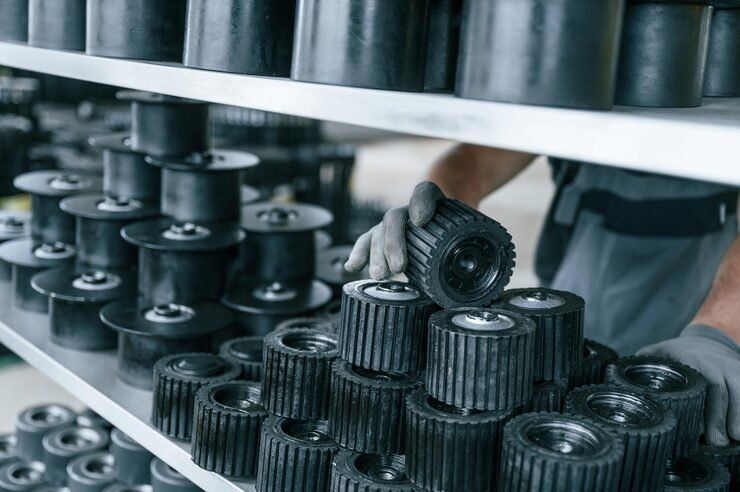
Industrial spare parts procurement is the process of identifying, sourcing, purchasing, receiving, and managing replacement components required to maintain industrial machinery and production systems. It connects maintenance teams, procurement departments, manufacturers, distributors, suppliers, and inventory systems to help ensure that critical components are available when required.
Effective procurement covers everything from standard bearings and seals to specialized electrical, hydraulic, pneumatic, automation, and machine-specific components.
What Is Industrial Spare Parts Procurement?
Industrial spare parts procurement involves managing the supply of replacement components used for machinery maintenance, repairs, upgrades, and equipment lifecycle management.
Common spare parts include:
Bearings
Mechanical seals
Gaskets
Valves
Motors
Gearboxes
Pumps
Hydraulic components
Pneumatic components
Electrical components
Sensors
PLC modules
Conveyor components
Filters
Fasteners
Parts may be sourced directly from original equipment manufacturers (OEMs), authorized distributors, specialized manufacturers, or industrial component suppliers.
Major Types of Industrial Spare Parts
Mechanical Spare Parts
Mechanical components include bearings, shafts, couplings, gears, bushings, seals, belts, chains, and other machine elements.
These parts are used across rotating equipment, conveyors, pumps, compressors, machine tools, and production systems.
Electrical Spare Parts
Electrical components can include motors, circuit breakers, contactors, relays, power supplies, cables, switches, and control components.
Correct electrical specifications are important for compatibility and operational safety.
Automation Components
Modern production systems depend on components such as PLC modules, sensors, servo drives, encoders, HMIs, industrial communication devices, and control hardware.
Hydraulic and Pneumatic Parts
Hydraulic pumps, cylinders, valves, filters, hoses, fittings, pneumatic cylinders, air valves, and regulators are common replacement components in industrial machinery.
Industrial Spare Parts Sourcing Strategies
Procurement teams can use several sourcing approaches depending on the equipment and operational requirements.
OEM Sourcing
Original equipment manufacturers can provide components specifically designed for their machinery.
OEM sourcing can be particularly relevant for specialized parts where exact compatibility and manufacturer documentation are important.
Authorized Distribution
Authorized distributors can provide access to established component brands and may maintain inventories covering frequently required industrial parts.
Specialized Suppliers
Specialized industrial suppliers can provide components across specific categories such as bearings, automation, hydraulics, electrical systems, or mechanical transmission.
Alternative Components
In some cases, technically compatible alternatives may be considered when the original component is unavailable. Engineering review is important before substituting components in critical equipment.
Supplier Networks and Procurement Channels
A robust industrial procurement network may include multiple supplier categories.
| Supplier Type | Typical Role | Example Parts |
|---|---|---|
| OEM manufacturer | Original equipment components | Machine-specific parts |
| Authorized distributor | Branded component distribution | Bearings, drives, sensors |
| Specialized manufacturer | Specific component production | Seals, valves, couplings |
| Industrial distributor | Broad inventory | MRO components |
| Local supplier | Rapid regional sourcing | Standard replacement parts |
| Digital procurement platform | Online sourcing and comparison | Multiple component categories |
Using multiple sourcing channels can help organizations address availability, lead-time, specification, and inventory requirements.
Procurement Technologies
Digital technologies are increasingly integrated into industrial spare-parts procurement.
Enterprise Resource Planning
ERP systems can connect purchasing, inventory, maintenance, finance, and supplier information.
Computerized Maintenance Management Systems
CMMS platforms can link maintenance activities with spare-parts requirements and inventory records.
E-Procurement
Digital purchasing systems can streamline requisitions, approvals, purchase orders, supplier communication, and documentation.
Inventory Analytics
Data analytics can identify frequently used components, slow-moving inventory, stockout risks, and replenishment patterns.
Barcode and RFID Systems
Identification technologies can improve inventory tracking and help maintenance teams locate parts within warehouses and storage areas.
Industrial Spare Parts Procurement Process
A typical procurement workflow includes several stages.
1. Identify the requirement: Maintenance or production teams determine which component is needed.
2. Verify specifications: Part numbers, dimensions, materials, ratings, compatibility, and equipment references are checked.
3. Check inventory: Existing warehouse stock is reviewed before external sourcing.
4. Identify suppliers: OEMs, distributors, manufacturers, and other qualified suppliers are evaluated.
5. Compare quotations: Technical specifications, availability, lead times, logistics, and commercial terms are reviewed.
6. Issue the purchase order: The approved supplier receives the order and required documentation.
7. Receive and inspect: Components are checked against specifications and documentation.
8. Update inventory records: Received parts are added to the relevant inventory system.
Inventory Management for Spare Parts
Spare-parts inventory requires a balance between availability and warehouse efficiency.
Critical components may require dedicated stock because their absence could affect production continuity. Less critical items can follow different replenishment strategies.
Useful inventory classifications include:
Criticality
Usage frequency
Lead time
Equipment importance
Failure frequency
Storage requirements
Component lifecycle
Part-number standardization can also reduce duplicate inventory where technically equivalent components are available.
How to Improve Spare Parts Procurement
Organizations can strengthen procurement processes through several measures.
Standardize part information: Maintain accurate part numbers, descriptions, technical specifications, and equipment references.
Classify critical components: Identify parts that could significantly affect production if unavailable.
Monitor supplier performance: Track lead times, fulfillment consistency, documentation, and component quality.
Use demand data: Analyze maintenance history and equipment usage to improve replenishment planning.
Develop alternative sources: Where technically appropriate, identify additional qualified suppliers for important components.
Integrate maintenance and procurement: Connect CMMS, ERP, inventory, and purchasing information to improve visibility.
Industrial Applications
Industrial spare parts procurement supports virtually every equipment-intensive sector.
Manufacturing
Factories require replacement components for production machinery, conveyors, robots, motors, drives, pumps, and control systems.
Energy
Power-generation and energy facilities require specialized mechanical, electrical, instrumentation, and rotating-equipment components.
Chemical Processing
Chemical plants use pumps, valves, seals, instrumentation, motors, and process-control components.
Food and Beverage
Processing and packaging facilities require hygienic components, motors, bearings, seals, sensors, valves, and conveyor parts.
Mining and Heavy Industry
Mining and heavy industrial operations use large quantities of mechanical, hydraulic, electrical, and wear components.
Frequently Asked Questions
What is industrial spare parts procurement?
It is the process of sourcing, purchasing, receiving, storing, and managing replacement components used for industrial equipment maintenance and production continuity.
What are common industrial spare parts?
Common categories include bearings, seals, valves, motors, gearboxes, pumps, sensors, PLC components, electrical parts, hydraulic components, pneumatic parts, and filters.
Should industrial spare parts come from OEMs?
OEM sourcing can be appropriate when exact equipment compatibility, manufacturer specifications, documentation, or specialized design requirements are important. Alternative components may be considered after appropriate technical evaluation.
How does technology improve spare parts procurement?
ERP, CMMS, e-procurement, inventory analytics, barcode systems, and digital supplier platforms can improve purchasing workflows, inventory visibility, and maintenance coordination.
How should critical spare parts be managed?
Critical parts can be identified based on equipment importance, failure consequences, lead time, usage patterns, and replacement availability. Inventory strategies can then be aligned with those characteristics.
Conclusion
Industrial spare parts procurement connects maintenance requirements with manufacturers, distributors, suppliers, inventory systems, and purchasing processes. A structured approach can improve visibility into component specifications, supplier networks, inventory levels, lead times, and replacement requirements.
Modern procurement technologies such as ERP, CMMS, e-procurement, inventory analytics, barcode systems, and digital supplier platforms can further integrate purchasing with maintenance and production activities.
For industrial organizations, effective spare-parts management requires accurate component information, appropriate supplier networks, inventory planning, technical verification, and coordination between procurement and maintenance teams.