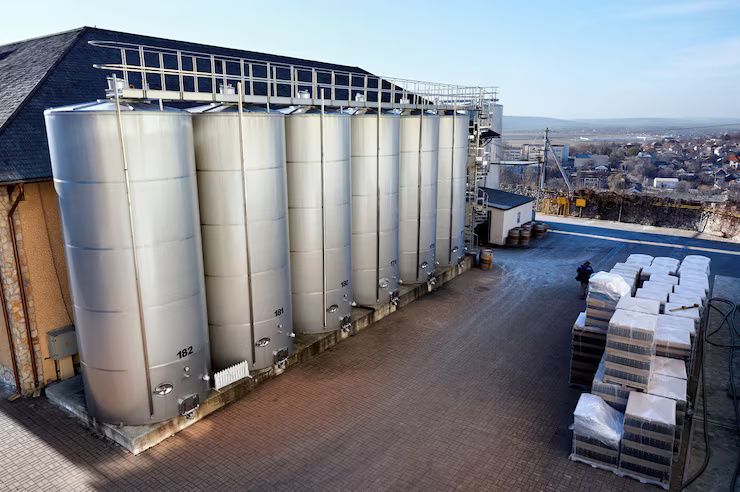
Industrial tanks are large engineered containers designed to hold liquids, gases, or granular materials during processing, treatment, or storage. They exist because many industrial activities depend on controlled handling of substances that must remain stable, separated, or available at specific volumes and conditions.
Across sectors such as manufacturing, energy, chemicals, food processing, and water management, tanks help maintain operational continuity. They allow materials to be stored safely, mixed accurately, heated or cooled evenly, and transferred between production stages without disruption.
Industrial tanks differ from everyday containers in scale, materials, and engineering. They are designed to handle pressure, temperature variation, chemical reactions, and long-term exposure while meeting strict safety and environmental requirements.
Importance: Why industrial tanks matter today
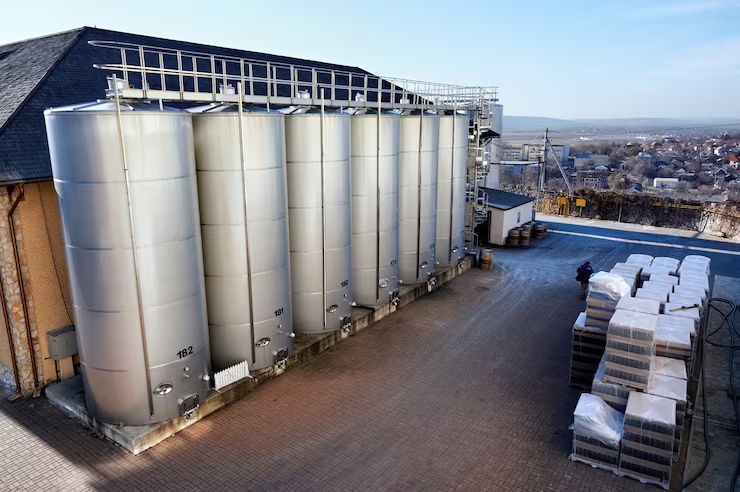
Industrial tanks play a central role in modern infrastructure and production systems. As industries scale up and regulations become more detailed, the importance of properly designed tanks continues to grow.
Key reasons industrial tanks matter include:
-
Operational reliability
Tanks ensure a steady supply of raw materials and intermediates, reducing downtime and production delays. -
Safety and risk control
Proper containment lowers the risk of leaks, spills, and exposure to hazardous substances. -
Environmental protection
Tanks help prevent soil, air, and water contamination when designed and monitored correctly. -
Process efficiency
Accurate volume control and mixing improve consistency in industrial processes. -
Industry-wide impact
Sectors affected include:-
Chemical and petrochemical production
-
Oil and gas storage and distribution
-
Water treatment and wastewater management
-
Food and beverage processing
-
Pharmaceutical manufacturing
-
As global demand for energy, clean water, and manufactured goods increases, industrial tanks remain essential components of industrial systems.
Common types of industrial tanks and their roles
Industrial tanks are classified based on shape, function, pressure conditions, and materials. Each type supports a specific industrial role.
Storage tanks
Storage tanks hold liquids or gases for extended periods.
Typical uses include:
-
Fuel and petroleum storage
-
Chemical containment
-
Water reserves for industrial facilities
Common shapes:
-
Cylindrical vertical tanks
-
Horizontal tanks
-
Spherical tanks for gases
Process tanks
Process tanks are part of active production steps.
They are used for:
-
Mixing and blending
-
Chemical reactions
-
Heating or cooling materials
These tanks often include internal components such as agitators, coils, or baffles.
Pressure tanks
Pressure tanks are designed to operate above atmospheric pressure.
They are important in:
-
Gas storage
-
Steam systems
-
Compressed air applications
Engineering standards strictly define wall thickness, welding methods, and inspection schedules.
Settling and separation tanks
These tanks allow solids and liquids to separate naturally.
Applications include:
-
Wastewater treatment
-
Mining and mineral processing
-
Oil-water separation
Gravity and retention time are key design factors.
Materials used in industrial tanks
Material selection affects durability, safety, and compatibility with stored substances.
| Material Type | Common Applications | Key Characteristics |
|---|---|---|
| Carbon steel | Fuel, water, non-corrosive liquids | Strong, widely used |
| Stainless steel | Food, pharmaceuticals, chemicals | Corrosion-resistant |
| Fiberglass-reinforced plastic | Chemicals, wastewater | Lightweight, corrosion-tolerant |
| Concrete | Water storage, sewage | Long lifespan, stable |
| Polyethylene | Low-pressure liquids | Chemical resistance |
Choosing the correct material helps extend tank life and reduces maintenance risks.
Recent updates and trends in the past year
Over the past year, several trends have influenced industrial tank design and management.
-
Increased digital monitoring (2025)
Industries are adopting sensor-based systems to track tank levels, pressure, and temperature in real time. -
Focus on corrosion prevention
New coating technologies and linings have gained attention to reduce long-term material degradation. -
Stricter inspection schedules
Updated inspection guidance emphasizes early detection of structural fatigue and leaks. -
Sustainability-driven design changes
Tanks are increasingly integrated into closed-loop systems to reduce waste and emissions.
These updates reflect a broader shift toward safer, data-driven industrial operations.
Laws and policies affecting industrial tanks
Industrial tanks are governed by national and international standards to ensure safety and environmental protection. While specific rules vary by country, several frameworks are widely referenced.
Key regulatory areas include:
-
Design and construction standards
Engineering codes define materials, welding methods, and load calculations. -
Environmental compliance
Regulations address spill prevention, secondary containment, and waste handling. -
Inspection and testing requirements
Periodic checks verify structural integrity and operational safety. -
Worker safety guidelines
Policies focus on exposure limits and safe access during inspection.
In many countries, government agencies oversee compliance, and documentation is required throughout a tank’s operational life.
Tools and resources related to industrial tanks
Several practical tools and references support understanding and managing industrial tanks.
-
Tank volume calculators
Used to estimate capacity based on shape and dimensions. -
Inspection checklists
Standardized formats for visual and non-destructive evaluation. -
Engineering standards documents
Provide technical guidance for design and testing. -
Monitoring dashboards
Digital platforms that display level, pressure, and temperature data. -
Maintenance planning templates
Help schedule inspections and material assessments.
These resources assist engineers, operators, and safety teams in maintaining reliable tank systems.
Data overview: Typical industrial tank capacities by sector
| Industry Sector | Typical Capacity Range | Primary Purpose |
|---|---|---|
| Oil and gas | 10,000–1,000,000+ liters | Fuel and crude storage |
| Chemical processing | 5,000–500,000 liters | Raw materials and intermediates |
| Water treatment | 50,000–2,000,000 liters | Clean and wastewater storage |
| Food processing | 2,000–200,000 liters | Ingredients and liquids |
| Pharmaceuticals | 1,000–100,000 liters | Controlled substances |
This comparison highlights how tank size and design vary based on industrial needs.
FAQs about industrial tanks
What is the difference between a storage tank and a process tank?
A storage tank holds materials without altering them, while a process tank actively supports mixing, heating, or chemical reactions.
How long do industrial tanks typically last?
Lifespan depends on material, operating conditions, and maintenance. Many tanks operate safely for several decades with proper monitoring.
Why are inspections important for industrial tanks?
Inspections help identify corrosion, cracks, or deformation before they lead to leaks or failures.
Are industrial tanks used only for liquids?
No. Industrial tanks can store gases, slurries, and some granular materials, depending on design.
What factors influence tank design?
Key factors include stored substance properties, pressure, temperature, environmental exposure, and regulatory requirements.
Conclusion
Industrial tanks are foundational components of modern industry. They support safe storage, controlled processing, and efficient movement of materials across many sectors. Understanding tank types, materials, regulations, and recent trends helps clarify their role in industrial systems.
As industries continue to evolve, industrial tanks are becoming more monitored, more regulated, and more integrated into sustainable operations. Clear knowledge of their functions and requirements contributes to safer facilities and more reliable industrial outcomes.