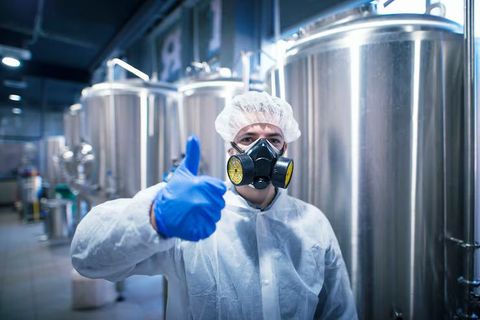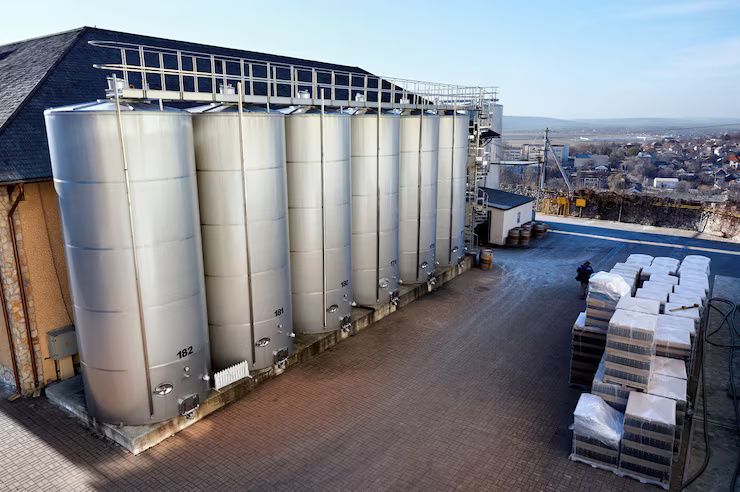
Industrial tanks are large engineered containers designed to hold liquids, gases, or granular materials during processing, treatment, or storage. They exist because many industrial activities depend on controlled handling of substances that must remain stable, separated, or available at specific volumes and conditions.
Industrial tanks are essential components in sectors such as manufacturing, energy, chemicals, food processing, and water management. They are used to store, process, and transfer liquids, gases, and other materials safely within industrial systems.
Unlike everyday containers, industrial tanks are engineered to handle pressure, temperature changes, chemical reactions, and long-term exposure. Their design must meet strict safety and environmental standards to ensure reliable operation.
Core Functions of Industrial Tanks
Industrial tanks are used for:
- Storage of raw materials and finished products
- Mixing and blending of substances
- Heating and cooling processes
- Chemical reactions and processing
- Safe transfer between production stages
Importance of Industrial Tanks
Industrial tanks play a critical role in maintaining operational efficiency and safety.
Why They Matter Today
- Ensure continuous production flow
- Reduce downtime by maintaining material availability
- Improve process accuracy and consistency
- Support environmental protection
- Enhance workplace safety and risk control
Industries Impacted
Industrial tanks are widely used in:
- Chemical and petrochemical industries
- Oil and gas storage systems
- Water and wastewater treatment
- Food and beverage production
- Pharmaceutical manufacturing
Problems They Help Solve
- Preventing leaks and contamination
- Managing hazardous materials safely
- Maintaining stable production processes
- Ensuring regulatory compliance
Types of Industrial Tanks
Storage Tanks
Used for holding liquids or gases over time.
Common uses include:
- Fuel storage
- Chemical containment
- Water reserves
Process Tanks
These tanks are part of active production systems.
They support:
- Mixing and blending
- Chemical reactions
- Temperature control processes
Pressure Tanks
Designed to operate above atmospheric pressure.
Applications include:
- Gas storage
- Steam systems
- Compressed air systems
Settling and Separation Tanks
Used to separate materials naturally based on gravity.
Typical uses:
- Wastewater treatment
- Oil-water separation
- Mining processes
Materials Used in Industrial Tanks
Material selection is critical for durability and safety.
| Material Type | Common Use | Key Property |
|---|---|---|
| Carbon Steel | Fuel, water storage | Strong and cost-effective |
| Stainless Steel | Food, pharma, chemicals | Corrosion-resistant |
| Fiberglass Reinforced Plastic | Chemicals, wastewater | Lightweight, durable |
| Concrete | Water and sewage systems | Long lifespan |
| Polyethylene | Low-pressure liquids | Chemical resistance |
Choosing the right material reduces maintenance risks and improves lifespan.
Industrial Tank Capacity Overview
| Industry Sector | Typical Capacity Range | Primary Purpose |
|---|---|---|
| Oil and Gas | 10,000–1,000,000+ liters | Fuel storage |
| Chemical Processing | 5,000–500,000 liters | Raw materials |
| Water Treatment | 50,000–2,000,000 liters | Water storage |
| Food Processing | 2,000–200,000 liters | Ingredients |
| Pharmaceuticals | 1,000–100,000 liters | Controlled substances |
This table highlights how tank size varies across industries.
Recent Updates (2025)
Industrial tank systems have evolved with new technologies and standards.
Digital Monitoring Systems
Sensors are used to track tank levels, pressure, and temperature in real time.
Corrosion Prevention Technologies
Advanced coatings and linings help extend tank lifespan and reduce maintenance.
Stricter Inspection Requirements
Updated guidelines emphasize early detection of structural issues.
Sustainability Integration
Tanks are increasingly part of closed-loop systems to reduce waste and emissions.
Laws and Policies
Industrial tanks are governed by safety and environmental regulations.
Key Regulatory Areas
- Design and construction standards
- Environmental compliance and spill prevention
- Inspection and testing requirements
- Worker safety protocols
Compliance Requirements
- Regular inspections and documentation
- Proper containment systems
- Safe access for maintenance
- Adherence to engineering codes
Tools and Resources
Various tools support industrial tank management.
Engineering and Monitoring Tools
- Tank volume calculators
- Sensor-based monitoring dashboards
- Inspection checklists
- Maintenance planning software
Benefits of These Tools
- Improve operational accuracy
- Support predictive maintenance
- Ensure regulatory compliance
- Enhance safety monitoring
Practical Considerations
When selecting or managing industrial tanks, consider:
- Material compatibility with stored substances
- Pressure and temperature requirements
- Environmental exposure conditions
- Inspection and maintenance schedules
FAQs
What is the difference between storage and process tanks?
Storage tanks hold materials, while process tanks are used in active production steps.
How long do industrial tanks last?
With proper maintenance, many tanks can operate for several decades.
Why are inspections important?
They help detect corrosion, leaks, and structural issues early.
Can tanks store gases as well as liquids?
Yes, depending on design, tanks can store gases, liquids, or slurries.
What factors influence tank design?
Factors include material properties, pressure, temperature, and regulatory requirements.
Conclusion
Industrial tanks are fundamental to modern industrial systems, supporting safe storage, processing, and transfer of materials. Their design and operation directly impact efficiency, safety, and environmental protection.
Recent advancements such as digital monitoring, improved materials, and stricter regulations have enhanced reliability and sustainability. These developments reflect the growing importance of data-driven and compliant industrial operations.
Understanding tank types, materials, and regulatory requirements helps ensure safe and efficient use. As industries continue to evolve, industrial tanks remain essential for maintaining stable and sustainable production systems.