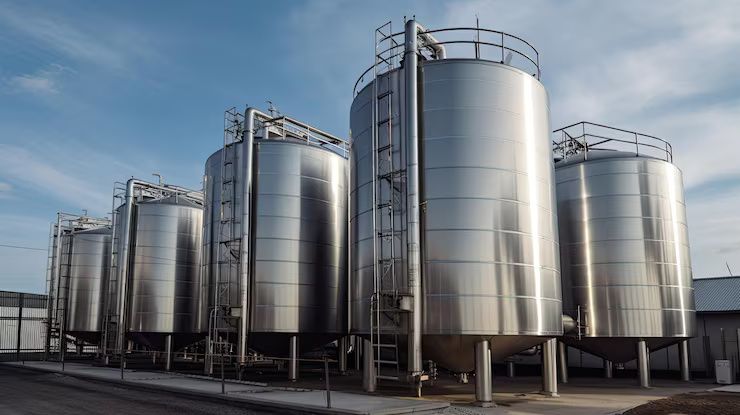
Industrial tanks are engineered storage and processing units designed to safely hold liquids, gases, slurries, or bulk materials used in industrial operations. These tanks are critical infrastructure components across sectors such as chemical manufacturing, oil and gas, water treatment, pharmaceuticals, food processing, power generation, agriculture, and mining. Their primary purpose is to ensure controlled storage, mixing, heating, cooling, or treatment of substances under specific pressure, temperature, and environmental conditions.
Industrial tanks exist because many industrial processes require large-volume containment, material stability, contamination control, and regulatory compliance. From simple water storage to complex chemical reaction vessels, industrial tanks support both operational efficiency and safety.
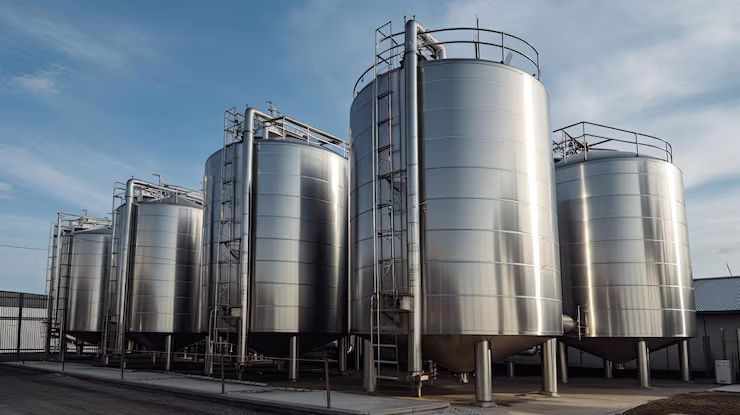
Context: Why Industrial Tanks Exist and Their Role in Industry
Industrial tanks were developed to meet the growing need for secure, scalable, and durable material storage as industries expanded. Early industrial operations relied on basic containers, but increasing production volumes, hazardous materials, and strict safety requirements led to the evolution of specialized tank designs.
Industrial tanks play a vital role in:
-
Storing raw materials and finished products
-
Supporting chemical reactions and mixing processes
-
Managing wastewater and effluents
-
Ensuring temperature and pressure control
-
Preventing contamination and leakage
-
Maintaining continuity in industrial workflows
Their role extends beyond storage—they are often integrated into process systems, pipelines, heating units, agitation mechanisms, and automation controls.
Importance: Why Industrial Tanks Matter Today
Industrial tanks remain essential as industries scale production, adopt automation, and comply with environmental and safety regulations.
Key Reasons Industrial Tanks Are Important:
1. Safe Material Containment
Designed to store hazardous, corrosive, or sensitive substances securely.
2. Process Efficiency
Enable continuous production by maintaining material availability.
3. Regulatory Compliance
Meet safety, environmental, and quality standards across industries.
4. Versatility Across Applications
Used for storage, mixing, fermentation, treatment, and pressure handling.
5. Long-Term Durability
Built to withstand harsh chemicals, temperature fluctuations, and mechanical stress.
Recent Updates: Industrial Tank Technology Trends (2024–2025)
Industrial tank design and manufacturing continue to advance due to sustainability goals, digital monitoring, and stricter regulations.
1. Advanced Material Coatings
Improved corrosion-resistant linings extend tank lifespan and reduce maintenance.
2. Smart Tank Monitoring Systems
IoT sensors track level, temperature, pressure, and leakage in real time.
3. Modular & Prefabricated Tanks
Reduce installation time and support rapid capacity expansion.
4. Sustainability & Environmental Focus
Greater use of recyclable materials and designs that minimize leakage and emissions.
5. Compliance-Driven Redesigns
New designs align with evolving environmental and safety standards across regions.
Laws & Safety Standards Affecting Industrial Tanks
Industrial tanks must comply with multiple safety, engineering, and environmental regulations to ensure operational integrity.
Key regulatory considerations include:
-
Pressure vessel and structural safety standards
-
Environmental protection and spill containment laws
-
Fire and explosion prevention regulations
-
Occupational health and workplace safety guidelines
-
Material compatibility and chemical handling rules
Compliance helps prevent accidents, environmental damage, and operational downtime.
Types of Industrial Tanks
Industrial tanks are categorized based on design, function, and operating conditions.
Storage Tanks
Used to store liquids or gases without active processing.
Applications: Water, fuel, chemicals, oils.
Process Tanks
Designed for mixing, heating, cooling, or chemical reactions.
Applications: Chemical plants, pharmaceuticals, food processing.
Pressure Tanks
Built to withstand internal pressure.
Applications: Gas storage, compressed air systems.
Underground Tanks
Installed below ground for space efficiency and safety.
Applications: Fuel storage, wastewater systems.
Above-Ground Tanks
Easier access for inspection and maintenance.
Applications: Oil, chemicals, agriculture.
Mixing & Agitated Tanks
Include internal agitators or mixers.
Applications: Paints, chemicals, food ingredients.
Septic & Effluent Tanks
Used for waste treatment and disposal.
Applications: Municipal and industrial wastewater management.
Materials Used in Industrial Tank Manufacturing
Material selection depends on stored substance, temperature, pressure, and environmental exposure.
Carbon Steel Tanks
Strong and cost-effective for non-corrosive materials.
Stainless Steel Tanks
Highly resistant to corrosion and contamination.
Common in food, beverage, and pharmaceutical industries.
FRP (Fiber-Reinforced Plastic) Tanks
Lightweight, corrosion-resistant, and low maintenance.
Polyethylene (Plastic) Tanks
Ideal for chemicals, water, and low-pressure applications.
Concrete Tanks
Used for large-scale water storage and wastewater treatment.
Industrial tanks perform several core operational functions:
-
Storage: Holding materials safely for short or long durations
-
Mixing: Ensuring uniform composition
-
Heating/Cooling: Managing temperature-sensitive processes
-
Reaction Control: Supporting chemical or biological reactions
-
Separation & Treatment: Settling, filtering, or neutralizing materials
These functions are often integrated with pumps, valves, sensors, and control systems.
Industrial Applications of Tanks
Industrial tanks are used across nearly every heavy and light industry.
Chemical Industry
Storage and processing of acids, solvents, and reagents.
Oil & Gas
Fuel storage, separation units, and pressure containment.
Water & Wastewater Treatment
Clarification, aeration, and sludge management.
Food & Beverage
Hygienic storage, fermentation, and ingredient mixing.
Pharmaceuticals
Sterile storage and controlled processing.
Agriculture
Fertilizer, pesticide, and water storage.
Mining & Metallurgy
Slurry storage and mineral processing.
Table: Types of Industrial Tanks and Typical Uses
| Tank Type | Primary Function | Common Industries |
|---|---|---|
| Storage Tank | Material containment | Oil, water, chemicals |
| Process Tank | Mixing & reactions | Chemicals, pharma |
| Pressure Tank | High-pressure storage | Gas, energy |
| FRP Tank | Corrosion resistance | Chemicals, wastewater |
| Stainless Steel Tank | Hygienic processing | Food, pharma |
| Underground Tank | Space-efficient storage | Fuel, sewage |
How to Choose the Right Industrial Tank
Understand Material Compatibility
Chemical properties determine tank material and lining.
Determine Capacity & Volume
Tank size must match production and storage needs.
Consider Operating Conditions
Temperature, pressure, and environmental exposure matter.
Evaluate Installation Location
Above-ground vs underground installation affects design.
Check Regulatory Compliance
Ensure design meets safety and environmental standards.
Plan for Maintenance & Inspection
Accessibility impacts long-term operating costs.
Frequently Asked Questions
1. What is the most common industrial tank material?
Carbon steel and stainless steel are widely used, depending on application.
2. Are industrial tanks customizable?
Yes, tanks are often custom-designed for capacity, material, and process needs.
3. Do industrial tanks require regular inspection?
Yes, inspections are critical for safety, compliance, and longevity.
4. Can industrial tanks handle hazardous chemicals?
Yes, when designed with appropriate materials and safety features.
5. Are smart monitoring systems used in tanks today?
Modern tanks increasingly include sensors for level, pressure, and leak detection.
Conclusion
Industrial tanks are foundational components of modern manufacturing and processing systems. Their ability to safely store, process, and manage materials at scale makes them indispensable across industries ranging from chemicals and energy to food and water treatment.
With advancements in materials, smart monitoring, and sustainable design, industrial tanks continue to evolve to meet stricter safety, environmental, and efficiency demands. Understanding tank types, materials, applications, and selection criteria enables industries to implement reliable, compliant, and future-ready storage and process solutions.