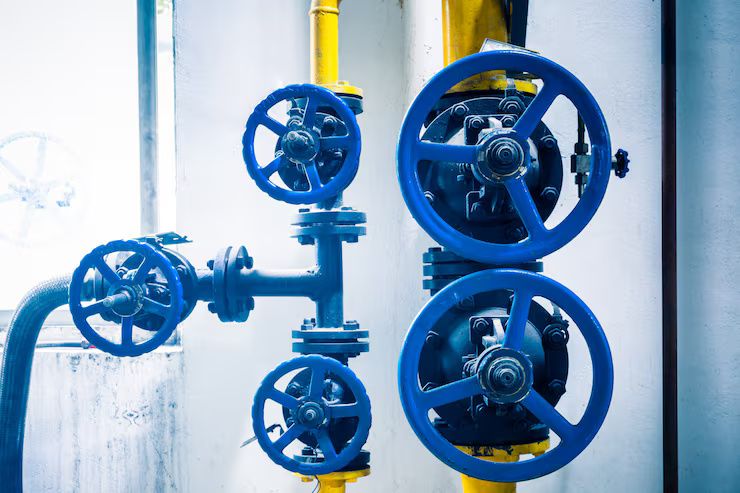
Industrial valves are mechanical devices designed to regulate, direct, or control the flow of liquids, gases, or slurries within a piping system. They exist because most industrial processes require precise management of flow, pressure, and direction to operate safely and efficiently. Without valves, it would be difficult to isolate equipment, control process conditions, or protect systems from overpressure and leaks.
From early manual gate valves to modern automated control valves, industrial valves have evolved alongside industrial development. Today, they are essential components in sectors such as oil and gas, power generation, water treatment, chemical processing, manufacturing, and HVAC systems. Each valve type is engineered to perform a specific function, ensuring reliable operation under defined pressure, temperature, and flow conditions.
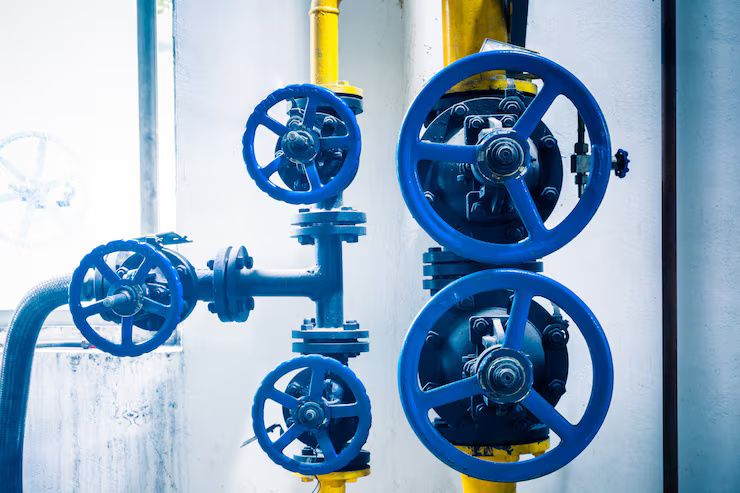
Importance: Why Industrial Valves Matter Today
Industrial valves play a critical role in maintaining safety, efficiency, and reliability across industrial systems. Proper flow control helps prevent equipment damage, process instability, and safety incidents. This topic matters to engineers, plant operators, maintenance teams, safety professionals, and students who need a clear understanding of how flow control systems function.
Industrial valves address several key challenges:
-
Managing pressure and flow in complex piping networks
-
Isolating equipment for inspection and maintenance
-
Protecting systems from overload or backflow
-
Supporting process accuracy in automated operations
As industries adopt more advanced and interconnected systems, accurate valve selection and operation become increasingly important. Reliable flow control contributes directly to energy efficiency, process consistency, and long-term system performance.
Common Types of Industrial Valves and Their Functions
Industrial valves are categorized based on their design and flow control method. Each type is suited to specific operating conditions and process requirements.
Common industrial valve types include:
-
Gate valves for full open or full close isolation
-
Globe valves for precise flow regulation
-
Ball valves for quick shutoff and tight sealing
-
Butterfly valves for compact flow control in large pipes
-
Check valves for preventing reverse flow
Table: Industrial Valve Types and Typical Applications
| Valve Type | Flow Control Function | Typical Use Case |
|---|---|---|
| Gate Valve | Isolation | Pipeline shutoff |
| Globe Valve | Throttling | Flow regulation |
| Ball Valve | On-off control | Process isolation |
| Butterfly Valve | Modulating flow | Large-diameter systems |
| Check Valve | Backflow prevention | Pump protection |
Understanding valve functions helps ensure compatibility with system pressure, flow rate, and media type.
Valve Materials and Their Role in Flow Control
Valve materials are selected based on the properties of the fluid, operating temperature, pressure, and environmental exposure. Material choice directly affects durability, corrosion resistance, and safety.
Common valve materials include:
-
Carbon steel for high-strength industrial applications
-
Stainless steel for corrosion-resistant environments
-
Cast iron for water and low-pressure systems
-
Bronze and brass for moderate pressure and non-corrosive fluids
-
Plastic-lined valves for chemical handling
Graph Representation: Material Suitability by Environment
| Material | Pressure Tolerance | Corrosion Resistance |
|---|---|---|
| Carbon Steel | High | Low |
| Stainless Steel | High | High |
| Cast Iron | Medium | Low |
| Bronze | Medium | High |
| Plastic-Lined | Low | Very High |
Material selection ensures valves perform reliably over extended operating cycles.
Recent Updates: Trends and Developments in the Past Year
During 2024 and early 2025, industrial valve technology reflected broader trends in automation and sustainability. One significant development was the increased use of smart valves equipped with sensors and digital positioners. These valves provide real-time feedback on flow rate, pressure, and valve position, supporting predictive maintenance strategies.
In mid-2024, several industrial standards organizations updated guidelines related to valve testing and certification, emphasizing tighter leakage limits and improved traceability. These updates aim to enhance process safety and environmental protection, especially in energy and chemical sectors.
Another trend observed in late 2024 was the growing preference for low-emission valve designs. These designs focus on reducing fugitive emissions, aligning with stricter environmental expectations and sustainability goals across industrial operations.
Laws and Policies Affecting Industrial Valves
Industrial valves are subject to engineering standards, safety regulations, and environmental policies. These rules ensure that valves used in critical systems meet minimum performance and safety requirements.
Key regulatory considerations include:
-
Pressure equipment regulations governing valve design and testing
-
Workplace safety rules related to hazardous fluids and high-pressure systems
-
Environmental policies addressing leakage and emission control
In many regions, government infrastructure and energy programs specify approved valve standards for public and industrial projects. Compliance with these policies helps reduce operational risks and supports long-term system reliability.
Tools and Resources for Understanding Flow Control Systems
Various technical tools and resources help professionals and learners understand industrial valves and flow control systems. These references focus on calculation, documentation, and standardization.
Useful tools and resources include:
-
Flow rate and pressure drop calculators
-
Valve sizing charts and coefficient tables
-
Piping and instrumentation diagram (P&ID) templates
-
Engineering handbooks on fluid mechanics
-
Standards documentation for valve testing and inspection
Table: Example Valve Selection Parameters
| Parameter | Purpose | Impact on Selection |
|---|---|---|
| Flow Rate | Volume per unit time | Determines valve size |
| Pressure Rating | Maximum operating pressure | Ensures safety |
| Temperature Range | Operating limits | Affects material choice |
These tools support accurate valve selection and system design.
FAQs: Common Questions About Industrial Valves
What is the main purpose of an industrial valve?
An industrial valve controls, directs, or stops the flow of fluids within a piping system to maintain safe and stable operation.
How does a control valve differ from an isolation valve?
A control valve regulates flow continuously, while an isolation valve is primarily used to open or close a line completely.
Why is valve sizing important?
Correct sizing ensures proper flow control, reduces pressure loss, and prevents excessive wear or system inefficiency.
What causes valve leakage?
Leakage may result from wear, improper installation, material incompatibility, or operation beyond design limits.
How do automated valves improve flow control systems?
Automated valves enhance accuracy, consistency, and response time by adjusting flow based on system signals.
Additional Insight: Flow Control System Trends
The table below summarizes observed changes in valve system adoption.
| Feature | Earlier Systems | Modern Systems |
|---|---|---|
| Manual Operation | Common | Reduced |
| Automated Actuation | Limited | Widespread |
| Real-Time Monitoring | Rare | Increasing |
| Emission Control Focus | Moderate | High |
These trends highlight the shift toward smarter and more efficient flow control systems.
Conclusion
Industrial valves are essential components that enable safe and efficient flow control across a wide range of industrial applications. Understanding valve types, materials, and operating principles helps improve system reliability and process stability. Recent developments emphasize automation, emission reduction, and stricter compliance standards, reflecting evolving industrial and environmental expectations.
With proper use of technical tools, reference data, and standardized practices, industrial valves continue to support reliable flow control in modern infrastructure and manufacturing systems.