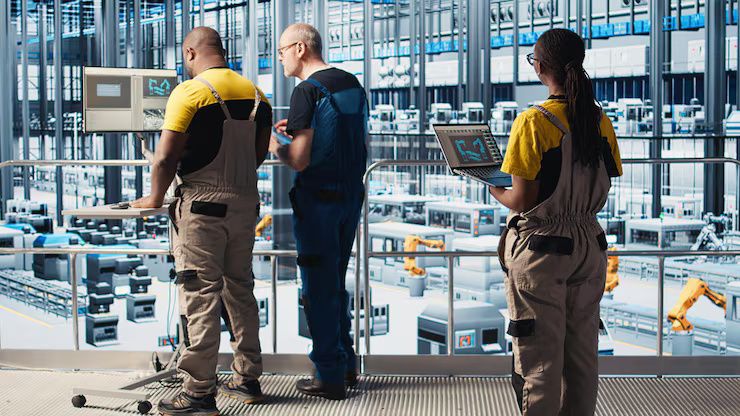
Industrial winches are mechanical devices used to pull, lift, or position heavy loads using a rope, cable, or chain wound around a rotating drum. These systems are widely applied in construction, marine operations, mining, manufacturing, and logistics. They are designed to handle high-load capacities and provide controlled movement of materials in demanding environments.
Industrial winches were developed to simplify the handling of heavy loads in environments where manual lifting is not practical. Early systems were manually operated, but modern winches are powered by electric, hydraulic, or pneumatic systems, offering improved efficiency and control.
A winch system typically includes a motor, drum, gearbox, braking system, and control unit. These components work together to provide smooth and precise load handling. The design varies depending on the application, load requirements, and operating conditions.
With advancements in engineering, industrial winches now incorporate automation, remote control features, and safety mechanisms. These improvements allow industries to achieve higher productivity while maintaining operational safety.
Importance of Industrial Winches in Modern Operations
Industrial winches play a critical role in material handling and heavy-duty operations. They are essential in industries where lifting and pulling tasks are frequent and require precision.
Key Benefits of Industrial Winches
- High Load Capacity: Capable of handling extremely heavy materials with efficiency
- Operational Control: Provides precise movement and positioning of loads
- Improved Workplace Safety: Reduces manual handling and associated risks
- Versatile Applications: Suitable for lifting, pulling, towing, and anchoring
- Durability and Reliability: Designed for continuous operation in harsh environments
Industrial Applications Overview
| Industry | Common Applications |
|---|---|
| Construction | Lifting building materials and equipment |
| Marine | Anchoring, towing, and mooring operations |
| Mining | Hauling materials and equipment |
| Oil and Gas | Rig operations and heavy load handling |
| Manufacturing | Material movement and assembly processes |
These applications demonstrate how winches contribute to efficient and safe industrial workflows.
Recent Trends and Developments in Industrial Winch Technology
Industrial winch systems have evolved significantly with the integration of advanced technologies over the past year.
Key Developments
- Automation Integration (2024–2025): Increased use of automated control systems for precision operations
- Remote Operation Systems: Wireless controls improve operator safety and flexibility
- Energy-Efficient Motors: Modern winches use optimized power systems to reduce energy consumption
- Smart Monitoring Systems: Sensors and analytics track performance and detect faults
- Compact and Modular Designs: Improved portability and easier installation
Technology Adoption Trends
| Year | Automation Adoption (%) | Smart Monitoring Usage (%) |
|---|---|---|
| 2023 | 48% | 40% |
| 2024 | 56% | 49% |
| 2025 | 64% | 58% |
These trends highlight the growing importance of intelligent and efficient equipment in industrial environments.
Laws and Policies Affecting Industrial Winches
Industrial winches are subject to safety regulations and standards to ensure proper usage and risk prevention.
Key Regulatory Areas
- Equipment Safety Standards: Ensure proper design, installation, and maintenance
- Load Handling Regulations: Define safe load limits and operational guidelines
- Workplace Safety Compliance: Protect operators and workers during use
- Inspection and Maintenance Requirements: Regular checks to maintain performance and safety
Regulatory Framework in India
In India, industrial winches are governed by guidelines and standards from authorities such as:
- Bureau of Indian Standards (BIS) for equipment quality and safety
- Occupational safety regulations for workplace operations
- Industrial machinery guidelines under factory laws
These regulations help maintain safe working conditions and reliable equipment performance across industries.
Tools and Resources for Industrial Winches
Various tools and systems support the operation, monitoring, and maintenance of industrial winches.
Common Tools and Equipment
- Control Panels: Enable precise operation and monitoring
- Load Monitoring Systems: Track weight and prevent overloading
- Remote Control Devices: Allow safe operation from a distance
- Inspection Tools: Used for routine maintenance and safety checks
- Lubrication Systems: Maintain smooth functioning of moving parts
Useful Features in Modern Winches
| Feature | Description |
|---|---|
| Automatic Braking System | Prevents load slipping during operation |
| Variable Speed Control | Allows precise movement of loads |
| Overload Protection | Ensures safe operation under heavy loads |
| Digital Monitoring | Tracks performance and operational data |
| Corrosion Resistance | Suitable for harsh and outdoor environments |
These tools and features improve operational efficiency and ensure safe usage in industrial settings.
Frequently Asked Questions About Industrial Winches
What is an industrial winch?
An industrial winch is a mechanical device used to lift or pull heavy loads using a cable or rope wound around a drum.
What types of winches are commonly used?
Common types include electric winches, hydraulic winches, and pneumatic winches, each suited for different applications.
How do industrial winches improve safety?
They reduce manual handling, provide controlled load movement, and include safety features such as braking and overload protection.
Where are industrial winches used?
They are used in construction, marine, mining, oil and gas, and manufacturing industries.
What factors affect winch performance?
Load capacity, motor power, drum size, and environmental conditions influence performance.
Conclusion
Industrial winches are essential equipment for handling heavy loads in various industries. Their ability to provide controlled, efficient, and safe operations makes them a critical component in modern industrial systems.
With advancements in automation, monitoring, and energy efficiency, industrial winches continue to evolve. Their role in improving productivity and ensuring workplace safety highlights their importance in industrial applications.