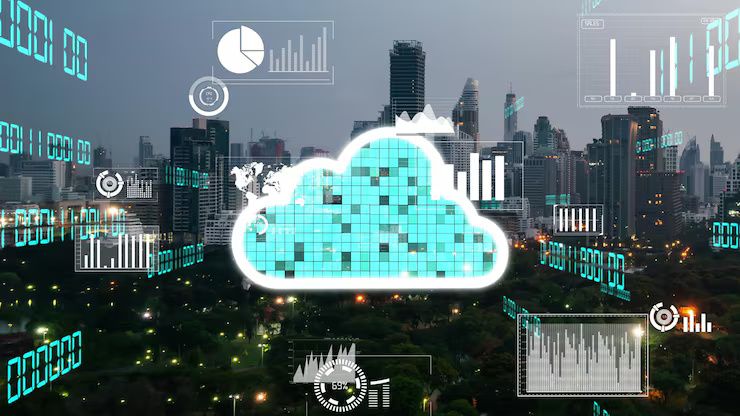
The Internet of Things (IoT) refers to connected devices that gather data from physical environments. These devices include sensors, smart meters, industrial machinery, wearable gadgets, environmental monitors, and household systems. IoT analytics on cloud platforms is the process of collecting, storing, and analyzing real-time device data using cloud computing resources.
IoT analytics on cloud platforms exists because connected devices generate large volumes of continuous data that traditional systems cannot efficiently manage. Cloud environments provide scalable storage, real-time processing, and centralized dashboards to analyze device behavior and performance.
Earlier systems relied on manual monitoring and local logs. Today, cloud-based IoT analytics integrates real-time data visualization, predictive insights, and automated alerts, enabling more efficient and informed decision-making.
Importance: Why IoT Analytics on Cloud Matters Today
IoT cloud analytics is essential as industries and systems increasingly depend on digital monitoring and automation. It improves visibility, coordination, and operational efficiency.
Who It Affects
- Manufacturing and industrial plants
- Smart home system developers
- Healthcare and wearable device providers
- Energy and utility companies
- Smart city planners
- Agricultural technology users
- Logistics and transportation networks
Why It Matters
IoT analytics on cloud matters because it:
- Enables centralized monitoring of distributed devices
- Improves operational efficiency and safety
- Supports real-time decision-making
- Detects anomalies and prevents failures
- Enables predictive maintenance
- Enhances automation and environmental control
Problems It Helps Solve
- Limited visibility into device conditions
- Inefficient manual monitoring
- Unexpected downtime and failures
- Difficulty managing large device networks
- Delayed insights and reporting
- High storage demands on local systems
Without vs With Cloud IoT Analytics
| Without Cloud Analytics | With Cloud IoT Analytics |
|---|---|
| Manual monitoring | Real-time dashboards |
| Fragmented data | Centralized data systems |
| Limited visibility | Full device network tracking |
| Delayed issue detection | Early anomaly alerts |
| Local storage constraints | Scalable cloud storage |
Recent Updates and Trends (2024–2025)
IoT cloud analytics has advanced with integration of AI, edge computing, and sustainability tools.
AI-Based Monitoring
Machine learning models detect anomalies such as unusual temperature, vibration, or energy usage patterns.
Edge–Cloud Integration
Hybrid systems process data locally for speed while using cloud platforms for deeper analysis and storage.
Digital Twin Technology
Virtual replicas of systems allow simulation and prediction of real-world performance.
Sustainability Monitoring
Dashboards track energy usage, emissions, and resource consumption to support environmental goals.
Smart Agriculture Expansion
IoT analytics supports soil monitoring, irrigation planning, and crop optimization.
Cybersecurity Enhancements
Advanced tools monitor authentication, encryption, and network risks in IoT systems.
Laws and Policies: Regulatory Considerations (India Focus)
IoT cloud analytics is governed by policies related to data protection, cybersecurity, and device safety.
Key Regulatory Areas
- Data privacy and secure storage practices
- Cybersecurity standards and network protection
- Responsible data usage and transparency
- Device safety and operational compliance
-
Government initiatives for smart infrastructure
These frameworks ensure responsible use of IoT data and secure cloud operations.
Tools and Resources for IoT Cloud Analytics
Various tools support monitoring, analysis, and management of IoT systems in cloud environments.
IoT Analytics Platforms
- Device monitoring dashboards
- Real-time alert systems
- Data visualization portals
- Machine learning analytics tools
Data Management Tools
- Cloud storage systems
- Time-series databases
- Sensor data logging tools
- Data aggregation platforms
Edge and Hybrid Systems
- Local processing nodes
- Hybrid cloud connectivity tools
- Distributed analytics frameworks
Learning and Development Resources
- IoT documentation and tutorials
- Cloud architecture guides
- Predictive analytics tools
- Security evaluation checklists
Frequently Asked Questions
What is IoT analytics on cloud?
It is the process of collecting and analyzing data from connected devices using cloud computing systems.
Why use cloud for IoT?
Cloud platforms provide scalability, centralized monitoring, and reliable data processing.
Is it only for industrial use?
No, it is used in smart homes, healthcare, agriculture, logistics, and more.
How do dashboards help?
They provide real-time insights, alerts, and performance tracking.
Is security important?
Yes, secure communication and data protection are critical in IoT systems.
Conclusion: Smart Data for Connected Systems
IoT analytics on cloud platforms enables efficient monitoring, predictive maintenance, and real-time decision-making across connected systems. It transforms raw device data into meaningful insights that improve performance and reliability.
Recent trends such as AI integration, edge computing, digital twins, and sustainability monitoring highlight its growing importance. Supported by regulatory frameworks and advanced tools, IoT cloud analytics continues to drive digital transformation and smarter system management.