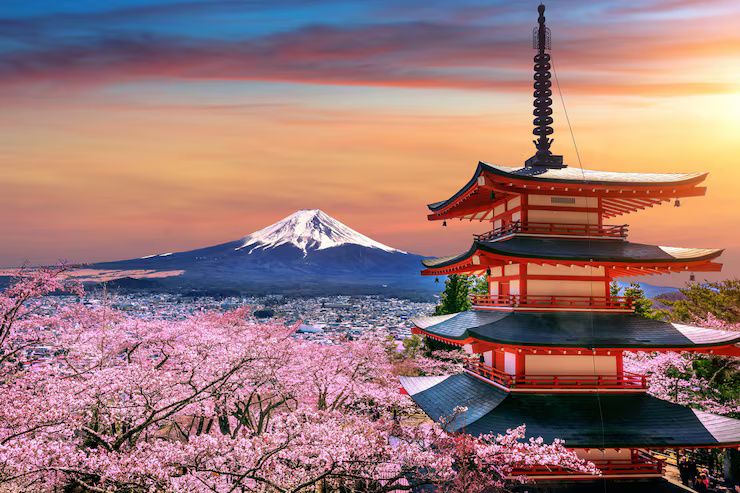
Japan travel refers to visiting the country for cultural exploration, education, leisure, and personal enrichment. The concept exists because Japan offers a distinctive combination of ancient traditions and advanced modern systems within a compact and well-connected geography. Travelers encounter historical temples, contemporary cities, seasonal landscapes, and deeply rooted customs that differ significantly from many other regions.
Over decades, Japan has developed strong transportation infrastructure, visitor information systems, and cultural preservation programs. These efforts allow people from different backgrounds to experience regional diversity, from mountainous villages to coastal cities, while maintaining respect for local customs. Japan travel is often associated with cultural learning, efficient mobility, and structured visitor experiences.
Importance: Why Japan Travel Matters Today
Japan travel matters today because it supports cultural exchange, global understanding, and sustainable tourism awareness. It affects international travelers, researchers, students, and cultural enthusiasts who seek reliable information about destinations, traditions, and travel conditions. Domestically, tourism contributes to regional revitalization by encouraging movement beyond major cities.
This topic helps address common challenges such as:
-
Understanding cultural etiquette in unfamiliar environments
-
Navigating transportation systems efficiently
-
Identifying season-based travel considerations
-
Accessing accurate travel guidance and public information
As global travel patterns recover and evolve, Japan remains a key destination due to its safety standards, organized public spaces, and emphasis on cultural heritage protection.
Destinations and Cultural Highlights
Japan’s destinations are shaped by geography, history, and local traditions. Each region offers distinct experiences influenced by climate, cuisine, and historical development.
Major Urban Centers
-
Tokyo – Known for technology, urban culture, and diverse neighborhoods
-
Osaka – Recognized for food culture and historical trade importance
-
Yokohama – Features waterfront areas and international heritage
Cultural and Historical Regions
-
Kyoto – Preserves temples, shrines, and traditional architecture
-
Nara – Known for early historical landmarks and parks
-
Kanazawa – Offers preserved districts and artisan culture
Natural Landscapes
-
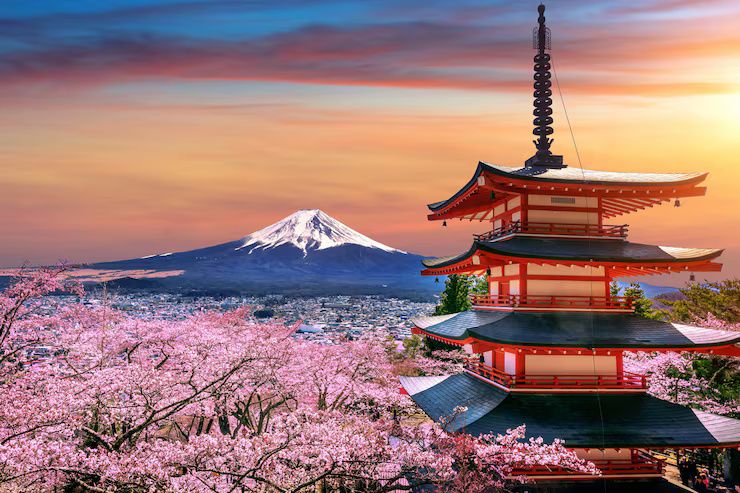
Mount Fuji – Symbolic landmark and seasonal hiking area
-
Northern regions with snow landscapes and national parks
-
Southern islands with subtropical climate and coastal ecosystems
Recent Updates: Travel Trends and Changes
In 2024, Japan continued to experience increased international visitor arrivals following the stabilization of global travel conditions. According to tourism data released in late 2024, regional destinations outside major metropolitan areas saw higher interest, reflecting government-led regional tourism promotion initiatives.
Another notable trend observed throughout 2024 and early 2025 is the expansion of multilingual digital signage at transport hubs and public attractions. Cashless payment acceptance also increased, particularly in urban areas, improving convenience for international visitors.
Sustainable tourism gained attention during 2024, with local governments introducing visitor flow management strategies in high-traffic cultural zones. These measures aim to reduce congestion and protect historical sites while maintaining accessibility.
Laws and Policies Affecting Travel in Japan
Japan travel is influenced by national regulations and public policies designed to balance visitor access with safety and cultural preservation. Entry regulations are governed by immigration and border control laws, which define visa categories, permitted stay duration, and documentation requirements.
Key policy areas include:
-
Immigration and short-term stay regulations
-
Public conduct rules at cultural and religious sites
-
Transportation safety standards and passenger regulations
-
Environmental protection policies in national parks
Government tourism agencies also support informational campaigns that educate visitors on etiquette, disaster preparedness, and regional travel opportunities. These policies ensure that travel activities align with public safety expectations and cultural norms.
Tools and Resources for Japan Travel Planning
Reliable tools and resources help travelers understand destinations, routes, and cultural practices. These references focus on information accuracy and accessibility.
Helpful resources include:
-
Public transportation route planners and fare calculators
-
Official tourism information portals and regional guides
-
Weather and seasonal forecast applications
-
Cultural etiquette reference guides
-
Emergency alert and disaster information platforms
Example Table: Transportation Options and Characteristics
| Transport Type | Coverage Area | Key Advantage |
|---|---|---|
| High-speed rail | Major regions | Fast intercity travel |
| Local trains | Urban and suburban | Frequent connections |
| Buses | Cities and rural areas | Access to remote locations |
| Domestic flights | Nationwide | Long-distance efficiency |
These tools support informed decision-making and smoother travel experiences.
Cultural Experiences and Daily Practices
Japan travel involves more than visiting landmarks. Cultural experiences include observing seasonal festivals, regional cuisine practices, and traditional arts. Respect for local customs, such as quiet behavior in public transport and proper conduct at shrines, plays a central role in everyday interactions.
Seasonal variation strongly influences travel experiences:
-
Spring is associated with cherry blossom viewing
-
Summer includes local festivals and coastal activities
-
Autumn highlights foliage and harvest traditions
-
Winter features snow landscapes and hot spring culture
FAQs: Common Questions About Japan Travel
What is the best time of year to visit Japan?
Japan can be visited year-round, but spring and autumn are often preferred due to moderate weather and seasonal scenery.
Is public transportation easy to use for visitors?
Yes, public transportation is highly organized, with clear signage and route information in major areas.
Are cultural rules strict for travelers?
Cultural expectations emphasize respect and courtesy, but visitors are generally understood and guided through signage and information materials.
How safe is Japan for international travelers?
Japan is widely regarded as a safe destination, with low crime rates and strong public safety systems.
Do travelers need language proficiency?
Basic English support is common in transportation hubs and tourist areas, while translation tools assist in other regions.
Additional Data Snapshot: Visitor Focus Areas
| Travel Interest | Common Focus |
|---|---|
| Cultural heritage | Temples, museums |
| Urban exploration | City districts |
| Nature and scenery | Mountains, coastlines |
| Culinary traditions | Regional food styles |
Conclusion
Japan travel offers a structured yet culturally rich experience shaped by history, technology, and social values. Understanding destinations, cultural practices, recent developments, and regulatory frameworks helps travelers navigate the country with confidence and respect. As tourism trends continue to evolve, Japan maintains its position as a destination defined by organization, heritage preservation, and diverse regional experiences.
Clear information, reliable planning tools, and awareness of local customs contribute to meaningful travel experiences while supporting sustainable tourism practices across the country.