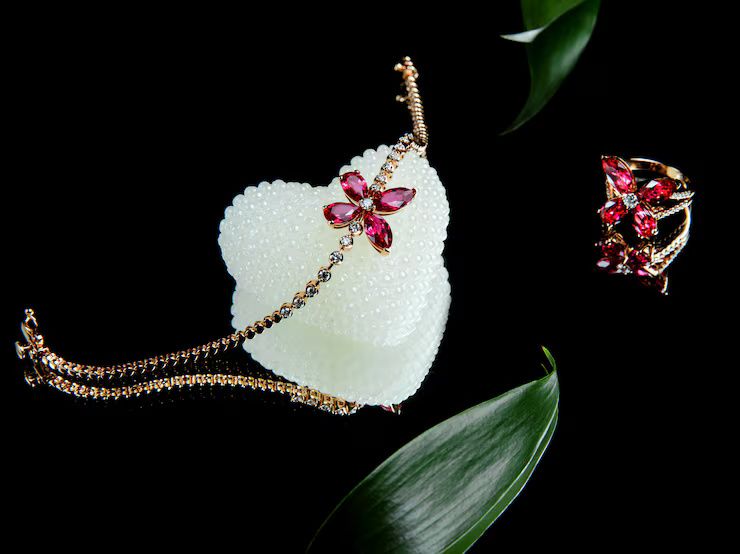
Jewellery aesthetics refer to the visual and stylistic qualities that define how jewellery looks, feels, and is perceived. These aesthetics exist to express identity, culture, craftsmanship, and artistic preference through wearable design. Across history, jewellery has reflected social values, available materials, and design philosophies of different eras.
In contemporary discussion, jewellery aesthetics are commonly grouped into styles such as minimal, vintage, and modern. Each style represents a distinct approach to form, proportion, and ornamentation. Minimal styles emphasize simplicity, vintage styles reflect historical influence, and modern styles focus on innovation and creative expression. Understanding these aesthetics helps explain how jewellery design communicates meaning beyond decoration.
Importance: Why Jewellery Aesthetics Matter Today
Jewellery aesthetics matter because they influence how individuals choose, style, and interpret jewellery in daily life and special occasions. These aesthetics affect designers, consumers, educators, cultural researchers, and fashion professionals who engage with visual trends and material culture.
Key reasons jewellery aesthetics are relevant today include:
-
Growing interest in personal expression through design
-
Increased awareness of cultural and historical influences
-
Expansion of global fashion and design communication
-
Emphasis on intentional, refined visual choices
Jewellery aesthetics help address questions of identity, balance, and visual harmony. By understanding different styles, people can better interpret design language and appreciate craftsmanship without focusing on commercial aspects.
Minimal Jewellery Aesthetic: Simplicity and Balance
The minimal jewellery aesthetic focuses on clean lines, subtle forms, and restrained detailing. This style exists to highlight proportion and material rather than elaborate ornamentation. Minimal designs often rely on symmetry, negative space, and understated finishes.
Common characteristics of minimal jewellery include:
-
Simple geometric shapes
-
Thin bands and delicate structures
-
Neutral tones and polished surfaces
-
Limited use of embellishment
Table: Key Elements of Minimal Jewellery Aesthetic
| Design Element | Description | Visual Effect |
|---|---|---|
| Line | Straight or gently curved | Clean appearance |
| Shape | Circles, bars, squares | Visual clarity |
| Texture | Smooth or lightly brushed | Subtle refinement |
| Color | Neutral metallic tones | Timeless look |
Minimal aesthetics appeal to those who value clarity, adaptability, and visual calm in design.
Vintage Jewellery Aesthetic: Heritage and Detail
Vintage jewellery aesthetics draw inspiration from historical periods such as Victorian, Art Deco, and Mid-Century design movements. This style exists to preserve and reinterpret decorative traditions that emphasize detail, symbolism, and craftsmanship.
Key features of vintage jewellery aesthetics include:
-
Intricate patterns and engravings
-
Use of symbolic motifs
-
Layered textures and depth
-
Influence from specific historical eras
Table: Historical Influences in Vintage Jewellery
| Era Influence | Typical Features | Design Focus |
|---|---|---|
| Victorian | Floral motifs, symbolism | Emotional expression |
| Art Deco | Geometric symmetry | Structured elegance |
| Mid-Century | Organic forms | Artistic experimentation |
Vintage aesthetics provide cultural context and historical continuity, connecting modern audiences with design traditions from earlier generations.
Modern Jewellery Aesthetic: Innovation and Expression
The modern jewellery aesthetic emphasizes experimentation, abstraction, and contemporary design principles. This style exists to challenge traditional forms and explore new materials, structures, and visual narratives.
Modern jewellery often includes:
-
Asymmetrical or sculptural forms
-
Mixed materials and textures
-
Concept-driven design ideas
-
Emphasis on individuality
Graph Representation: Design Focus Comparison
| Aesthetic Style | Tradition | Innovation |
|---|---|---|
| Minimal | Moderate | Low |
| Vintage | High | Low |
| Modern | Low | High |
Modern aesthetics reflect changing cultural values and technological advancements, allowing jewellery to function as wearable art.
Recent Updates: Trends and Developments in the Past Year
During 2024 and early 2025, jewellery aesthetics reflected broader lifestyle and design trends. Minimal jewellery continued to gain attention due to its adaptability across casual and formal settings. This trend aligned with increased interest in simplified wardrobes and refined visual identity.
Vintage-inspired aesthetics saw renewed appreciation in late 2024, particularly designs referencing early 20th-century geometry and detailing. This shift reflected a broader cultural interest in archival styles and heritage storytelling.
Modern jewellery aesthetics also evolved, with increased focus on experimental forms and material contrast. In mid-2024, design discussions highlighted the use of unconventional textures and sculptural balance, emphasizing artistic intent over ornamentation. These updates show how jewellery aesthetics respond to cultural shifts rather than seasonal influence alone.
Laws and Policies Affecting Jewellery Aesthetics
Jewellery aesthetics are indirectly influenced by regulations related to materials, labeling, and cultural heritage protection. While design style itself is not regulated, the materials and practices used in jewellery creation are often subject to oversight.
Key policy-related influences include:
-
Material disclosure rules to ensure transparency
-
Hallmarking standards for precious metals
-
Cultural heritage guidelines protecting traditional designs
Government-supported craft preservation programs also encourage the continuation of traditional design knowledge. These policies help maintain authenticity and ethical standards while allowing aesthetic exploration within established frameworks.
Tools and Resources for Exploring Jewellery Aesthetics
Various tools and resources support learning and analysis of jewellery aesthetics. These references focus on education, visualization, and design understanding.
Helpful resources include:
-
Design reference guides explaining historical jewellery styles
-
Digital mood boards for visual comparison of aesthetics
-
Proportion and symmetry guides for design balance
-
Educational platforms discussing material and form
-
Cultural archives documenting traditional jewellery motifs
Table: Example Tools for Aesthetic Analysis
| Tool Type | Purpose | Application |
|---|---|---|
| Visual Reference Guide | Style comparison | Design study |
| Digital Mood Board | Visual organization | Concept development |
| Proportion Chart | Balance evaluation | Design accuracy |
These tools help individuals explore jewellery aesthetics in a structured and informed way.
FAQs: Common Questions About Jewellery Aesthetics
What defines a jewellery aesthetic?
A jewellery aesthetic is defined by design elements such as shape, texture, proportion, and historical or cultural influence.
How do minimal and modern jewellery styles differ?
Minimal styles focus on simplicity and restraint, while modern styles emphasize experimentation and creative expression.
Why is vintage jewellery aesthetic still relevant?
Vintage aesthetics provide cultural continuity and showcase craftsmanship and symbolism from earlier design periods.
Can jewellery aesthetics change over time?
Yes. Aesthetics evolve with cultural values, technology, and artistic exploration.
Do materials influence jewellery aesthetics?
Materials affect texture, color, and structure, shaping how a design is visually perceived.
Additional Insight: Comparative Overview of Aesthetic Styles
The table below summarizes how minimal, vintage, and modern jewellery aesthetics differ in approach.
| Aspect | Minimal | Vintage | Modern |
|---|---|---|---|
| Design Focus | Simplicity | Detail | Innovation |
| Historical Influence | Low | High | Variable |
| Visual Complexity | Low | High | Medium to High |
This comparison highlights the diversity of visual language within jewellery aesthetics.
Conclusion
Jewellery aesthetic insights into minimal, vintage, and modern styles reveal how design communicates identity, history, and creativity. Each aesthetic exists to serve a distinct visual purpose, from refined simplicity to detailed heritage and bold experimentation. Recent trends show continued appreciation for clarity, historical reference, and innovative expression, reflecting broader cultural shifts.
By understanding jewellery aesthetics, individuals gain deeper awareness of design principles and cultural context. This knowledge supports thoughtful interpretation and appreciation of jewellery as both personal expression and artistic form.