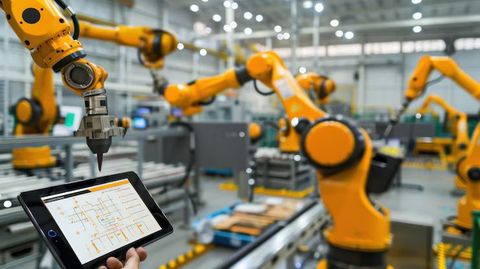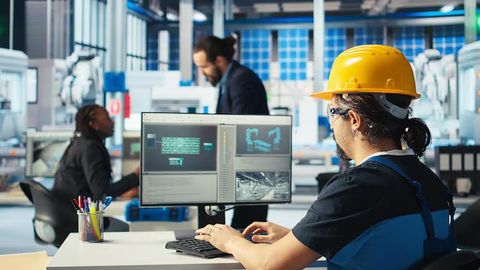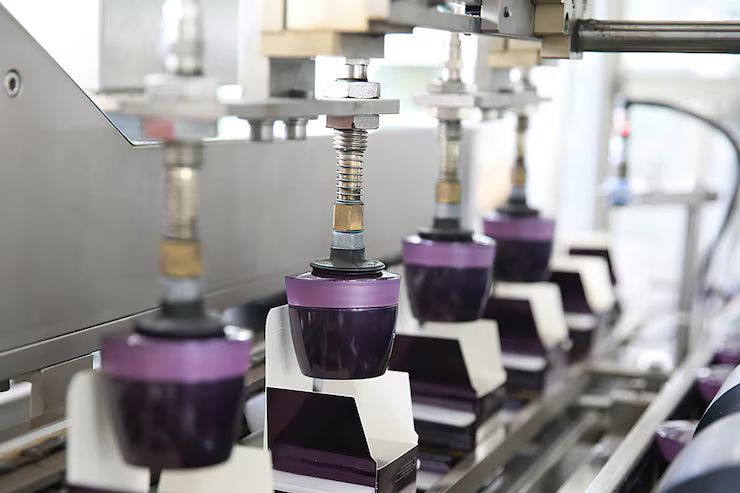
Labeling automation machines are specialized industrial systems designed to apply labels to products, packages, containers, and materials with minimal manual involvement. These machines use mechanical systems, sensors, software controls, and digital technologies to improve labeling accuracy and support modern manufacturing processes.
Labels play an important role in product identification, tracking, regulatory information, branding details, and supply chain management. As industries expand production capabilities, automated labeling systems have become an important part of packaging technologies and industrial automation equipment.
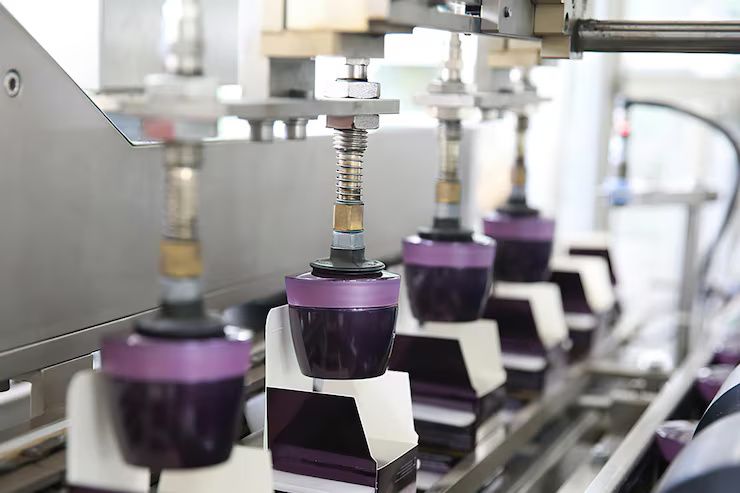
Modern labeling machinery is used across industries such as food processing, pharmaceuticals, electronics, chemicals, consumer goods, and logistics. These systems help manufacturers manage high-volume packaging operations while maintaining consistent label placement and product information accuracy.
Context
Understanding Labeling Automation Machines
Labeling automation machines are equipment systems designed to attach labels to products or packaging materials automatically. Depending on the application, these machines may handle different label types, product shapes, and packaging formats.
A typical automated labeling system includes:
| Component | Function |
|---|---|
| Label dispenser | Releases labels from rolls or sheets |
| Applicator mechanism | Places labels onto products |
| Conveyor system | Moves products through the labeling area |
| Sensors | Detect product position and timing |
| Control system | Manages machine operation |
| Printing unit | Adds variable information such as codes or dates |
These components work together to create controlled labeling processes.
How Automated Labeling Systems Work
Automated labeling systems operate through a combination of mechanical movement, sensors, and software controls.
A general labeling process includes:
- Product movement through a conveyor system
- Detection of product position
- Label preparation and dispensing
- Label placement on the product surface
- Verification of label position
- Product movement to the next production stage
The exact process depends on the machine type, product design, and labeling requirements.
Types of Automatic Labeling Machines
Different industries use different types of labeling machines based on product characteristics.
| Machine Type | Application |
| Pressure-sensitive labelers | Applying adhesive labels |
| Wrap-around labelers | Cylindrical products and containers |
| Sleeve labeling machines | Shrink sleeve applications |
| Print-and-apply systems | Variable information labeling |
| Top and bottom labelers | Flat package surfaces |
| RFID labeling systems | Digital identification applications |
Development of Labeling Machinery Technology
Traditional labeling processes required significant manual handling and inspection. As manufacturing systems developed, labeling machinery evolved through automation, digital controls, and integrated production systems.
Modern labeling technologies may include:
- Machine vision inspection
- Digital printing integration
- Barcode systems
- RFID technology
- Data communication platforms
These developments connect labeling operations with broader manufacturing automation systems.
Importance
Role in Packaging Operations
Packaging labeling technology is essential because labels provide important information about products, handling requirements, and tracking details.
Automated labeling systems support:
- Product identification
- Regulatory information display
- Inventory tracking
- Supply chain management
- Quality documentation
Accurate labeling helps maintain organized production and distribution processes.
Applications Across Industries
Labeling automation machines are used in many industrial sectors.
Food and Beverage Industry: Automated labeling systems apply information such as product details, ingredient information, batch numbers, and expiration details.
Pharmaceutical Industry: Pharmaceutical labeling systems support identification requirements for healthcare products and packaging information.
Electronics Industry: Labeling equipment helps track components, product information, and identification codes.
Chemical Industry: Industrial labeling equipment supports container identification and safety-related information.
Logistics and Warehousing: Barcode labeling systems assist with tracking products through storage and transportation networks.
Improving Manufacturing Accuracy
Manual labeling can create variations in placement and information handling. Automated systems help standardize labeling processes through controlled machine operation.
Automation may support:
- Consistent label positioning
- Reduced placement variation
- Faster product identification
- Improved production monitoring
- Better documentation accuracy
Integration With Packaging Automation
Labeling systems are often connected with broader automated packaging systems. In modern production lines, labeling may occur alongside filling, sealing, inspection, and sorting processes.
Packaging line automation can include:
- Product handling systems
- Filling equipment
- Label applicators
- Inspection technologies
- Data management platforms
This integration allows different production stages to communicate with each other.
Importance of Product Identification Systems
Product identification systems help businesses track products throughout manufacturing and distribution.
These systems may use:
- Barcodes
- QR codes
- RFID labels
- Serial numbers
- Digital tracking information
Identification technologies support inventory management and supply chain visibility.
Recent Updates
Growth of Smart Labeling Systems
Between 2024 and 2026, smart labeling systems continued developing through improvements in digital identification, connectivity, and data management.
Smart labeling technologies may include:
- RFID integration
- Connected sensors
- Digital product tracking
- Automated data collection
These technologies support more connected manufacturing environments.
Expansion of RFID Labeling Technology
RFID labeling technology has gained attention in industries requiring automated tracking and identification.
RFID systems use electronic tags that can store and transmit information. Applications may include:
- Inventory tracking
- Warehouse management
- Product authentication
- Supply chain monitoring
Increased Use of Machine Vision
Machine vision systems are becoming more common in labeling automation machines. Cameras and image-processing software can inspect labels during production.
Machine vision may check:
- Label position
- Print quality
- Barcode readability
- Product alignment
Integration With Industrial Automation Equipment
Modern labeling machines increasingly connect with factory automation systems.
Integration may include:
- Manufacturing software platforms
- Production monitoring systems
- Robotics
- Digital control networks
Connected systems provide more information about production activities.
Development of Sustainable Labeling Technologies
Manufacturers are exploring labeling approaches that support improved material management.
Areas of development include:
- Reduced material waste
- Recyclable labeling materials
- Efficient label application methods
- Digital tracking systems
Laws or Policies
Product Labeling Regulations
Many industries must follow labeling regulations that define required product information. Requirements vary depending on product type, industry, and region.
Regulations may address:
- Product information
- Safety details
- Ingredient information
- Identification requirements
- Traceability information
Food and Pharmaceutical Labeling Standards
Food and pharmaceutical industries often have specific labeling requirements due to consumer safety considerations.
These standards may cover:
- Product composition details
- Usage information
- Batch identification
- Manufacturing records
Barcode and Identification Standards
Organizations use international identification standards to maintain consistent product tracking systems.
These standards support:
- Barcode formatting
- Product identification
- Supply chain communication
Workplace Safety Requirements
Industrial labeling equipment must follow workplace safety practices related to:
- Machine operation
- Equipment maintenance
- Operator training
- Safety controls
Tools and Resources
Label Design Software
Digital label design tools help create product labels with required information and visual layouts.
These tools may support:
- Barcode creation
- Label formatting
- Data integration
- Printing preparation
Barcode Management Systems
Barcode systems help organizations create and manage product identification information.
Applications include:
- Inventory tracking
- Product management
- Distribution monitoring
RFID Management Platforms
RFID platforms help manage electronic identification systems.
They may support:
- Tag management
- Product tracking
- Data collection
- Inventory visibility
Manufacturing Execution Systems (MES)
MES platforms connect production activities with digital monitoring systems.
They may help manage:
- Production records
- Equipment information
- Quality tracking
- Workflow coordination
Inspection Technologies
Automated inspection tools help verify labeling accuracy.
These systems may use:
- Cameras
- Sensors
- Image processing software
- Digital analysis tools
FAQs
What are labeling automation machines?
Labeling automation machines are industrial systems that automatically apply labels to products, containers, or packaging materials using mechanical and digital control technologies.
How do automated labeling systems work?
Automated labeling systems use sensors, conveyors, label applicators, and control software to detect products and apply labels accurately during production.
What industries use automatic labeling machines?
Automatic labeling machines are used in food processing, pharmaceuticals, electronics, chemicals, consumer goods, logistics, and manufacturing industries.
What is RFID labeling technology?
RFID labeling technology uses electronic identification tags to store and transmit product information for tracking and management purposes.
How do labeling machines connect with packaging automation systems?
Labeling machines can integrate with packaging automation systems to coordinate product filling, sealing, identification, inspection, and movement processes.
Conclusion
Labeling automation machines are important components of modern manufacturing and packaging systems. These technologies combine mechanical equipment, digital controls, identification systems, and automation tools to support accurate product labeling. Advances in smart labeling systems, RFID technology, machine vision, and connected industrial equipment continue shaping the future of packaging operations. Understanding automated labeling systems helps explain their role in efficient and organized production environments.