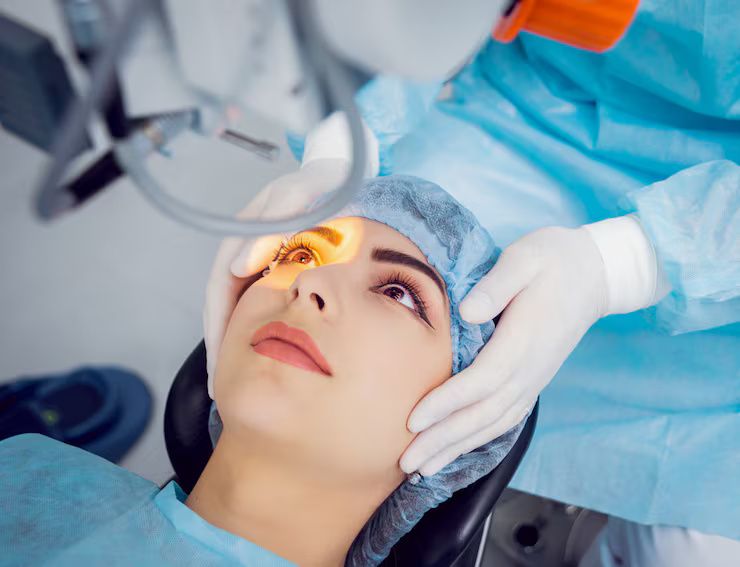
LASIK eye surgery packages can make it easier to compare different treatment pathways, but the package itself should not determine whether someone is an appropriate candidate.
LASIK is a refractive procedure designed to reduce dependence on glasses or contact lenses by reshaping the cornea, and suitability depends on individual eye health, prescription, corneal characteristics, and medical history.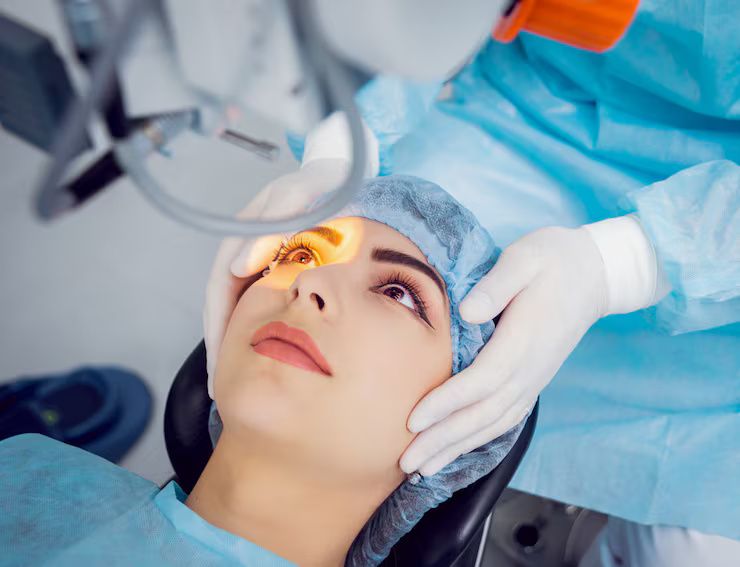
Treatment packages may group together elements such as the initial evaluation, diagnostic testing, surgical procedure, medications, and postoperative appointments. However, the exact contents can vary substantially between providers, making it useful to understand what each component represents rather than comparing package labels alone.
A meaningful comparison therefore starts with the clinical pathway. Understanding screening requirements, available procedures, technology, follow-up care, potential limitations, and patient-specific risks can help readers evaluate LASIK options more carefully and discuss appropriate choices with an ophthalmologist.
What LASIK Packages Typically Include
A LASIK package generally represents a collection of clinical appointments and procedural components rather than a single standardized medical product. There is no universal package structure, so prospective patients should examine exactly what is included.
Common components may include:
- A preoperative eye examination and suitability assessment
- Corneal measurements and diagnostic imaging
- The refractive procedure itself
- Postoperative examinations
- Prescribed eye drops or other routine medications
- Follow-up monitoring during the healing period
The preoperative assessment is particularly important because LASIK candidacy cannot be determined from a glasses prescription alone. Eye examinations may evaluate corneal thickness, pupil characteristics, refractive stability, ocular surface health, and other factors that can influence surgical suitability.
A package that appears comprehensive may still require clarification about which examinations, medications, follow-up visits, or additional clinical services are actually included.
Comparing LASIK With Other Vision Correction Procedures
LASIK is one of several refractive procedures. Depending on a person's eye characteristics, another approach may sometimes be more appropriate.
PRK, for example, reshapes the cornea without creating the same type of corneal flap used in LASIK. Recovery is generally different, and the early postoperative period can involve more discomfort and slower visual rehabilitation than LASIK. LASEK is another surface-based technique with its own recovery considerations.
For some individuals who are not suitable candidates for corneal laser procedures, other refractive approaches may be considered. Factors such as dry eye, thin corneal tissue, extreme refractive errors, or early lens changes can affect whether a corneal procedure is appropriate.
| Treatment consideration | LASIK | PRK or surface procedures | Other refractive approaches |
|---|---|---|---|
| Corneal flap | Yes | No conventional LASIK flap | Depends on procedure |
| Visual recovery | Usually relatively rapid | Generally slower | Varies |
| Early discomfort | Often limited | Can be more noticeable | Procedure-dependent |
| Candidacy | Depends on corneal and eye health | May suit some patients unsuitable for LASIK | Depends strongly on eye characteristics |
| Follow-up | Required | Required | Required |
This comparison is only a general framework. The appropriate procedure should be determined after an eye examination rather than selected solely from package descriptions.
The Importance of the Preoperative Evaluation
The initial examination is one of the most important parts of the LASIK process. A detailed assessment helps the ophthalmologist determine whether the expected benefits justify the potential risks for an individual patient.
Prescription stability is one consideration. A history of changing vision may affect candidacy, while conditions involving the cornea, ocular surface, or general health can also influence healing and outcomes. Certain medications and medical conditions may require additional evaluation before surgery.
The evaluation also provides an opportunity to discuss expectations. LASIK is intended to reduce dependence on corrective lenses, but it does not guarantee perfect vision. Some patients may continue to need glasses or contact lenses, and additional treatment may not always be appropriate or possible.
Looking Beyond the Package Description
When comparing LASIK packages, the most useful question is not simply which package contains more items. Instead, prospective patients should determine whether the package supports a complete and appropriate clinical pathway.
Important details to clarify include the type of diagnostic testing performed, who conducts the evaluation, which laser technology is used, and how postoperative monitoring is handled.
It is also useful to understand whether follow-up appointments are included for the expected recovery period or whether certain visits are handled separately. Clear documentation can prevent misunderstandings about what is included in the overall treatment plan.
The experience of the surgeon also deserves attention. The U.S. Food and Drug Administration advises patients to compare doctors, procedures, and devices rather than making a decision based primarily on advertised package terms.
Technology and Surgical Technique
Modern refractive surgery involves several technological considerations. Laser systems differ in their capabilities, and surgeons may use different approaches for corneal flap creation and laser treatment.
For LASIK flap creation, options include mechanical microkeratomes and femtosecond laser systems. The FDA notes that there is no absolute agreement among surgeons about a universally superior flap-creation method; considerations can include precision, visual outcomes, complication rates, recovery, and other factors.
This makes technology another area where package comparisons can be misleading. A package name alone does not explain how a patient's cornea will be assessed or which technique is clinically appropriate.
Risks and Recovery Considerations
LASIK is generally performed with the goal of improving refractive vision, but it carries potential risks. Patients may experience dry eye symptoms, glare, halos, double vision, changes in contrast sensitivity, undercorrection, overcorrection, or other visual disturbances. Some complications can require additional treatment.
Recovery also varies between individuals. Early visual changes may occur as the eyes heal, and postoperative instructions are an important part of the treatment process.
A responsible comparison should therefore consider follow-up care and risk management alongside the procedure itself. A package that emphasizes the procedure while providing little information about postoperative monitoring may not give a complete picture of the treatment pathway.
Questions to Ask Before Choosing a Package
Before selecting a LASIK treatment pathway, patients can discuss several practical and clinical questions with their ophthalmologist.
These may include whether the prescription is stable, whether the cornea is suitable for laser correction, which procedure is recommended and why, what diagnostic tests are performed, and what follow-up schedule is expected.
Patients should also ask what happens if their visual result differs from expectations. The FDA specifically cautions against guarantees such as promised 20/20 vision and advises patients to be cautious about promotional package claims.
Understanding the Overall Treatment Pathway
A useful LASIK package comparison should connect three stages: evaluation, treatment, and follow-up. Looking at only the surgical procedure can overlook important clinical decisions made before and after it.
The evaluation establishes candidacy and identifies factors that could influence the outcome. The procedure addresses the refractive error using an approach selected for the patient's circumstances. Follow-up appointments then allow the ophthalmologist to monitor healing and address any postoperative concerns.
This broader perspective makes it easier to distinguish between a package that simply groups appointments together and one that clearly describes the complete clinical pathway.
Frequently Asked Questions
Are all LASIK packages the same?
No. Package contents vary between providers. Diagnostic testing, consultations, postoperative appointments, medications, and other components may be structured differently.
Does a package determine which LASIK procedure is appropriate?
No. The appropriate procedure depends on individual eye characteristics, medical history, refractive error, corneal measurements, and the ophthalmologist's assessment.
Can LASIK guarantee 20/20 vision?
No. LASIK outcomes vary, and some patients may still require glasses or contact lenses. The FDA advises against relying on medical guarantees when evaluating refractive surgery.
What matters most when comparing treatment options?
Clinical suitability, surgeon experience, diagnostic evaluation, procedure selection, technology, risks, and postoperative care are more meaningful considerations than package terminology alone.
Conclusion
LASIK eye surgery packages can provide a convenient way to organize and compare treatment pathways, but the package label should never replace a thorough clinical evaluation. Understanding what is included, how candidacy is assessed, which procedure is recommended, what technology is used, and how follow-up care is managed provides a more useful basis for comparison.
Because refractive surgery involves individual clinical considerations and potential risks, the final decision should be made with a qualified ophthalmologist after an appropriate examination. A well-informed comparison focuses on the complete treatment pathway rather than simply selecting the package with the most visible features.