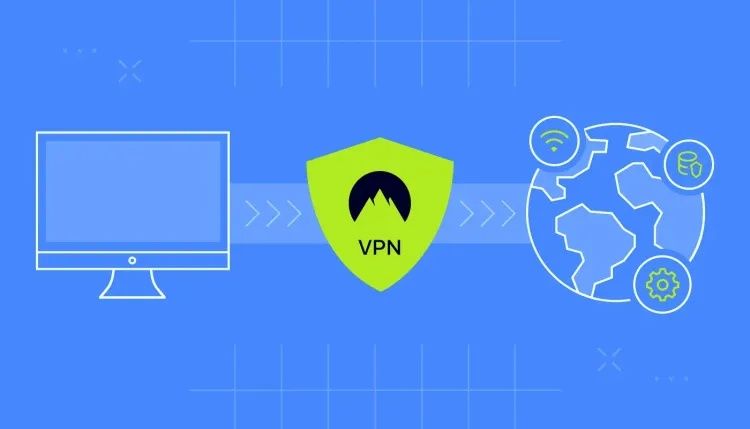
Encrypted VPN solutions are technologies designed to protect internet communication by creating a secure, encrypted connection between a user’s device and the wider internet. VPN stands for Virtual Private Network. Its core purpose is to prevent unauthorized access, data interception, and tracking when users browse websites, use applications, or exchange information online.
Originally, VPN technology was developed to allow organizations to securely connect remote systems over public networks. Over time, as internet usage expanded into everyday personal and professional life, VPN encryption became relevant for individual users as well. Today, encrypted VPN solutions exist to address concerns around data privacy, network surveillance, unsecured public Wi-Fi, and digital identity exposure.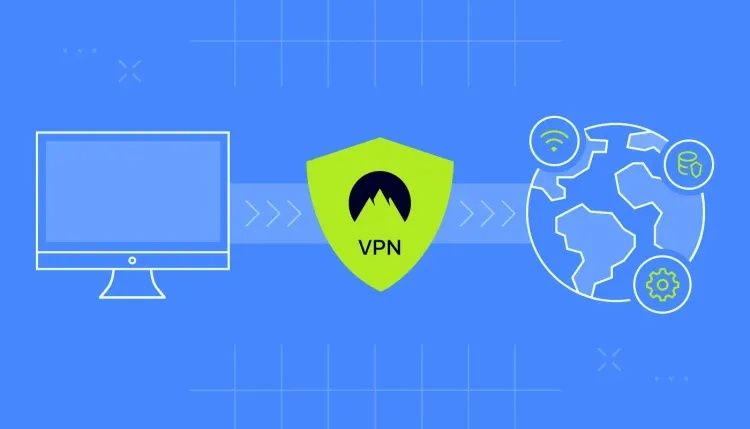
At a basic level, an encrypted VPN creates a protected tunnel. Data passing through this tunnel is scrambled using encryption algorithms, making it unreadable to outsiders. This approach supports confidentiality, integrity, and safer digital communication in a connected world.
Why Encrypted VPN Solutions Matter Today
Online activity has increased across work, education, banking, communication, and entertainment. With this growth, digital risks have also expanded. Encrypted VPN solutions matter because they help manage these risks without changing how people use the internet.
Key reasons encrypted VPNs are relevant today include:
-
Increased use of public and shared networks
-
Growth of remote access and cloud-based platforms
-
Rising concerns about data tracking and profiling
-
Higher awareness of cyber threats and data interception
-
Expansion of cross-border digital communication
Encrypted VPNs affect a wide audience:
-
Individuals accessing the internet from public networks
-
Remote professionals handling sensitive digital information
-
Students using shared institutional networks
-
Researchers and journalists protecting communication channels
-
General users seeking better control over online privacy
Problems addressed by encrypted VPN solutions include unencrypted data exposure, network-level monitoring, unauthorized data capture, and location-based tracking. By encrypting traffic, VPNs reduce the visibility of user activity to third parties on the network path.
How Encrypted VPN Technology Works
Encrypted VPN solutions rely on a combination of protocols, authentication methods, and encryption standards. The objective is to protect data while it travels from the user’s device to its destination.
The process typically follows these steps:
-
The VPN application initiates a secure connection request
-
Authentication verifies the connection legitimacy
-
Encryption keys are exchanged securely
-
Data packets are encrypted before transmission
-
Encrypted data travels through the VPN tunnel
-
The data is decrypted only at the intended endpoint
Encryption ensures that even if data packets are intercepted, their contents remain unreadable without the proper cryptographic keys.
Table: Core Components of Encrypted VPN Solutions
| Component | Role in VPN Encryption | Purpose |
|---|---|---|
| Encryption Algorithm | Scrambles data | Protects data confidentiality |
| VPN Protocol | Defines communication rules | Manages secure data transfer |
| Authentication Method | Verifies identity | Prevents unauthorized access |
| Tunneling Mechanism | Creates secure pathway | Shields traffic from interception |
| Key Exchange System | Shares encryption keys | Enables secure encryption setup |
Recent Updates and Industry Trends
The last year has seen notable developments in encrypted VPN technology, influenced by changes in cybersecurity standards and digital privacy expectations.
Recent trends observed during 2024–2025 include:
-
Increased adoption of modern encryption standards such as AES-256 and ChaCha20
-
Wider use of lightweight VPN protocols optimized for mobile networks
-
Growing focus on post-quantum cryptography research
-
Enhanced transparency around encryption implementation
-
Integration of VPN technology into broader privacy and security ecosystems
-
Improved performance optimization to reduce latency impact
Another significant update has been the emphasis on zero-trust network concepts, where encryption and verification occur continuously rather than only at connection start. These developments reflect an industry shift toward stronger, more adaptive encryption models.
Legal and Policy Considerations Affecting Encrypted VPN Use
Encrypted VPN solutions operate within national and regional legal frameworks. Laws and policies vary by country and influence how VPN encryption can be used, managed, and regulated.
Common regulatory aspects include:
-
Data protection laws governing personal information handling
-
Cybersecurity regulations requiring secure communication channels
-
Internet governance policies affecting encrypted traffic usage
-
Compliance requirements for lawful access and data retention
-
Restrictions or reporting obligations in certain jurisdictions
For example, data protection frameworks such as GDPR emphasize secure data transmission, indirectly reinforcing encryption practices. In some regions, VPN usage is permitted with conditions related to transparency or lawful compliance. Understanding local regulations is important for responsible and compliant use of encrypted technologies.
Tools and Resources Related to Encrypted VPN Knowledge
Learning about encrypted VPN solutions is supported by a range of educational and technical resources. These tools help users understand encryption concepts and network protection mechanisms.
Helpful resources include:
-
VPN protocol documentation explaining encryption standards
-
Network security learning platforms and cybersecurity portals
-
Encryption algorithm reference guides
-
Online privacy awareness websites
-
Academic research papers on secure tunneling technology
-
Open-source cryptography libraries for educational review
-
Internet privacy frameworks and digital rights publications
These resources focus on education, transparency, and technical understanding rather than promotion, helping users build informed knowledge about encrypted communication.
Practical Insights and Knowledge Points
Understanding encrypted VPN solutions benefits from clarity around their scope and limitations. Some important insights include:
-
Encryption protects data in transit, not endpoint behavior
-
VPNs enhance privacy but do not replace cybersecurity hygiene
-
Encryption strength depends on protocols and implementation
-
Network speed may vary depending on encryption overhead
-
VPNs operate at the network layer, not application logic
-
Strong authentication supports encryption effectiveness
A balanced understanding avoids unrealistic expectations and supports responsible use of privacy technologies.
FAQs
What is an encrypted VPN solution?
An encrypted VPN solution is a system that secures internet traffic by encrypting data and routing it through a protected tunnel to prevent interception and monitoring.
Does encryption hide online activity completely?
Encryption protects data contents during transmission, but it does not make users invisible or remove all forms of digital identification.
Are VPN protocols important for encryption quality?
Yes. The protocol determines how encryption is applied, how keys are exchanged, and how secure the tunnel remains under different network conditions.
Can encrypted VPNs improve online privacy?
They can reduce exposure of data to network-level observers by encrypting traffic, contributing to better privacy protection.
Do encrypted VPNs work on mobile networks?
Yes. Modern VPN protocols are designed to operate efficiently on mobile and wireless networks with changing connectivity.
Conclusion
Encrypted VPN solutions exist to protect digital communication in an increasingly connected world. By encrypting data and creating secure tunnels, they reduce the risk of interception, unauthorized access, and network-based monitoring. Their relevance continues to grow as internet usage expands across personal, educational, and professional environments.
Recent advancements in encryption standards, protocol efficiency, and privacy awareness have strengthened the role of VPN technology. At the same time, legal and policy considerations highlight the importance of responsible and informed use.
Understanding how encrypted VPN solutions work, what problems they address, and how they fit within broader digital privacy practices allows users to make educated decisions. Rather than being a universal solution, encrypted VPNs function as one important layer within a comprehensive approach to online privacy and cybersecurity.