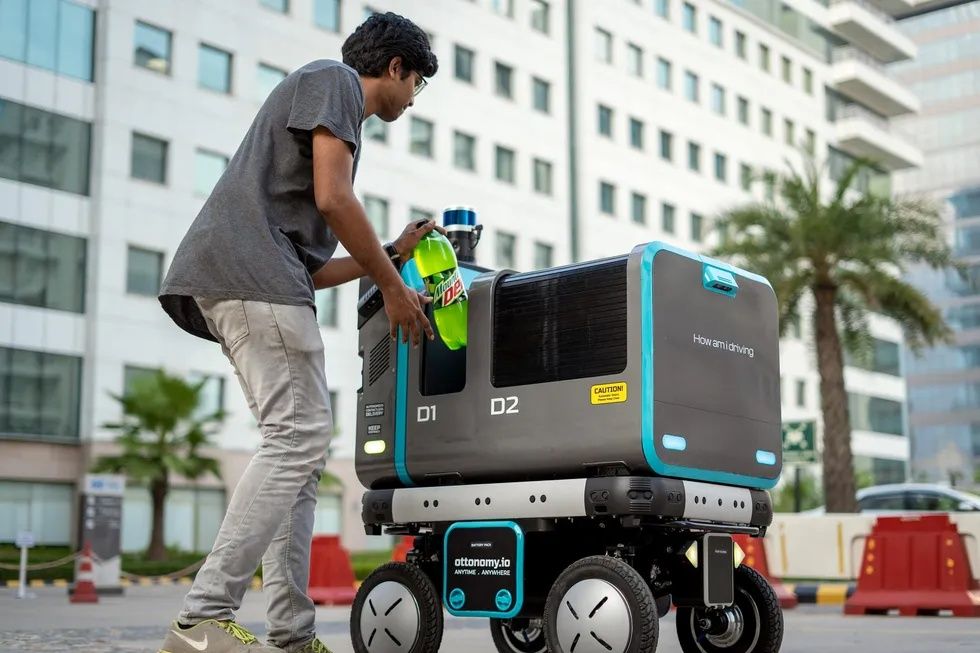
Automated Material Delivery Robots are intelligent machines designed to transport materials, components, or goods within industrial, commercial, or healthcare environments. These systems operate using advanced technologies such as sensors, mapping software, artificial intelligence, and navigation algorithms.
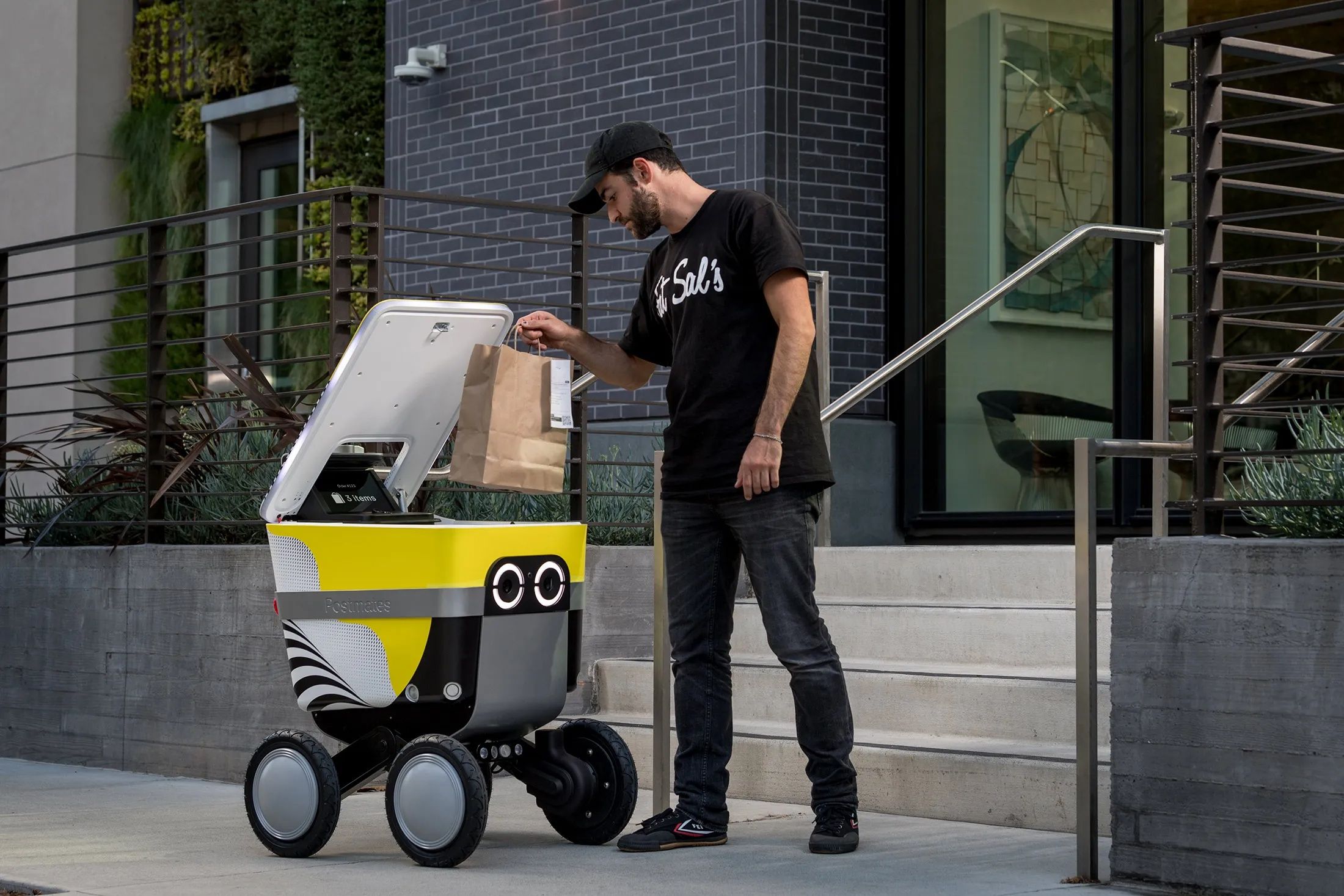
They exist to improve efficiency in environments where repetitive material movement is required. Traditionally, human workers or manual equipment handled these tasks, which could lead to delays, fatigue, and errors. Automated systems reduce dependency on manual handling and support continuous operations.
These robots are commonly categorized into:
- Automated Guided Vehicles (AGVs) that follow fixed paths
- Autonomous Mobile Robots (AMRs) that navigate dynamically
- Conveyor-integrated robotic systems
- Robotic carts and delivery units
Their design focuses on reliability, safety, and adaptability in structured and semi-structured environments.
Why Automated Delivery Robotics Matter Today
The growing complexity of supply chains and the demand for faster operations have increased the relevance of automated delivery robotics. Industries are handling higher volumes of materials, requiring more precise and efficient internal logistics systems.
These robots impact multiple sectors, including:
- Manufacturing and assembly units
- Warehousing and distribution centers
- Healthcare facilities for internal transport
- Retail and fulfillment centers
Key challenges addressed include:
- Reducing human error in material handling
- Improving workplace safety by minimizing heavy lifting
- Enhancing operational efficiency with continuous workflows
- Supporting scalability during demand fluctuations
Below is a simple comparison of traditional vs automated material delivery:
| Aspect | Traditional Handling | Automated Robots |
|---|---|---|
| Efficiency | Moderate | High |
| Error Rate | Higher | Lower |
| Labor Dependency | High | Reduced |
| Scalability | Limited | Flexible |
| Safety | Variable | Improved |
The importance of automation also extends to data collection. These robots generate operational insights that help improve decision-making, predictive maintenance, and workflow optimization.
Recent Developments and Industry Trends
Automated material delivery systems have evolved significantly, driven by advancements in artificial intelligence, machine learning, and connectivity technologies.
Some key recent developments include:
- Integration of AI-powered navigation systems that enable robots to adapt to dynamic environments
- Increased adoption of fleet management platforms for coordinating multiple robots simultaneously
- Expansion of collaborative robots (cobots) working alongside humans safely
- Use of Internet of Things (IoT) sensors for real-time tracking and monitoring
- Enhanced battery technologies for longer operational cycles
A simple trend overview:
| Trend | Description |
|---|---|
| Smart Navigation | Real-time path optimization using AI |
| Cloud Integration | Centralized control and analytics |
| Multi-Robot Coordination | Fleet-based operations |
| Safety Enhancements | Advanced obstacle detection systems |
| Data-Driven Operations | Analytics for performance improvement |
There has also been a noticeable shift toward flexible automation solutions. Instead of rigid systems, organizations are focusing on scalable robotics that can adapt to changing layouts and workflows.
Regulatory and Compliance Considerations
Automated material delivery robots operate within structured environments that require adherence to safety and operational standards. These regulations ensure safe interaction between robots and human workers.
Key compliance aspects include:
- Workplace safety standards related to machine operation
- Certification requirements for industrial robotics systems
- Guidelines for collision avoidance and emergency stop systems
- Data privacy considerations when using connected robotic systems
Common regulatory focus areas:
- Risk assessment and hazard analysis
- Proper labeling and safety signage
- Operator training and awareness
- Maintenance and inspection protocols
In many environments, robotics systems must comply with international standards related to industrial automation and safety, ensuring consistent performance and risk management.
Useful Tools, Platforms, and Resources
There are various tools and platforms that support the design, deployment, and management of automated material delivery robots. These resources help improve efficiency and simplify system integration.
Commonly used tools include:
- Simulation software for warehouse layout planning
- Fleet management dashboards for monitoring robot activity
- Route optimization tools for efficient navigation
- Maintenance tracking systems for predictive servicing
- Data analytics platforms for performance insights
Examples of resource categories:
- Digital twins for testing workflows before deployment
- Robotics middleware for communication between systems
- Mapping and localization software
- Battery performance monitoring tools
A basic overview of tools and their purposes:
| Tool Type | Purpose |
|---|---|
| Simulation Software | Test layouts and workflows |
| Fleet Management Systems | Control and monitor robot operations |
| Navigation Software | Optimize routes and avoid obstacles |
| Analytics Platforms | Track performance and efficiency |
| Maintenance Tools | Monitor system health |
These tools support better planning, improved uptime, and data-driven optimization across operations.
Frequently Asked Questions
What is the difference between AGVs and AMRs?
AGVs follow predefined paths using markers or tracks, while AMRs use sensors and software to navigate dynamically without fixed routes.
Are automated delivery robots safe to use around people?
Yes, most systems are designed with advanced safety features such as obstacle detection, speed control, and emergency stop mechanisms.
Can these robots work in all environments?
They are best suited for structured or semi-structured environments such as warehouses, factories, and hospitals, where navigation conditions are predictable.
Do these robots require constant supervision?
They typically operate autonomously but may require monitoring through control systems or dashboards for optimal performance.
What factors influence the performance of these robots?
Key factors include navigation technology, battery life, environment layout, software integration, and maintenance practices.
Conclusion
Automated Material Delivery Robots represent a significant advancement in internal logistics and operational efficiency. By combining intelligent navigation, data analytics, and automation, these systems help streamline workflows and reduce manual intervention.
Their growing importance is driven by the need for faster, safer, and more scalable operations across industries. As technology continues to evolve, these robots are becoming more adaptable and capable of handling complex environments.
Understanding their functionality, applications, and supporting tools allows organizations and individuals to better appreciate their role in modern systems.