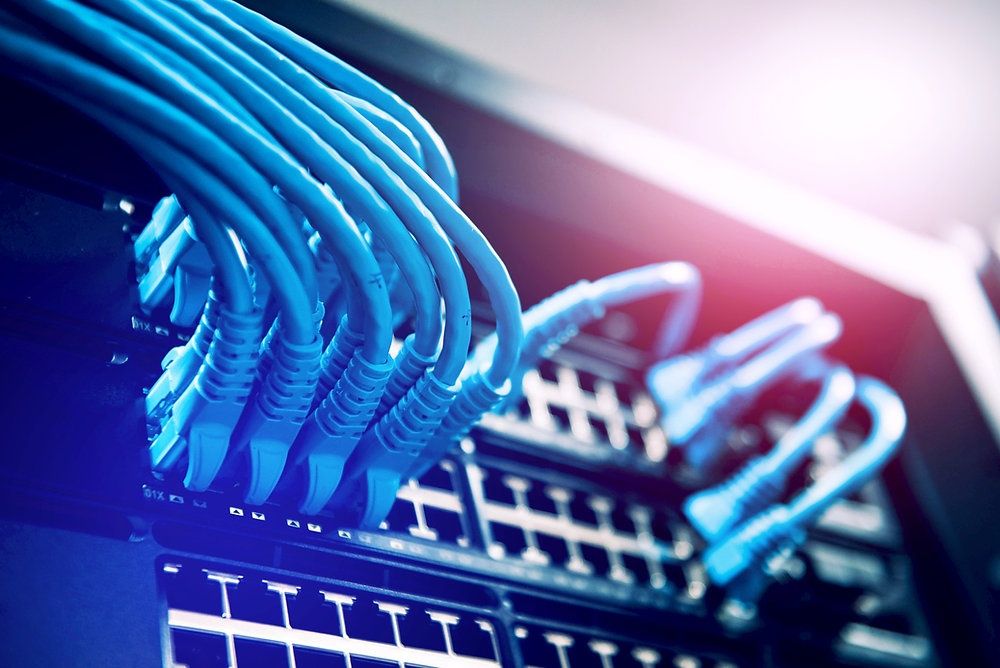
Data cabling refers to the physical wiring systems used to transmit digital information between devices within a network. It forms the backbone of modern connectivity, supporting everything from office computers and servers to industrial systems and smart devices.
At its core, data cabling fundamentals explain how structured cables carry signals across buildings, campuses, and data environments. These systems typically include copper or fiber cables, connectors, patch panels, and routing pathways designed to ensure stable and organized communication.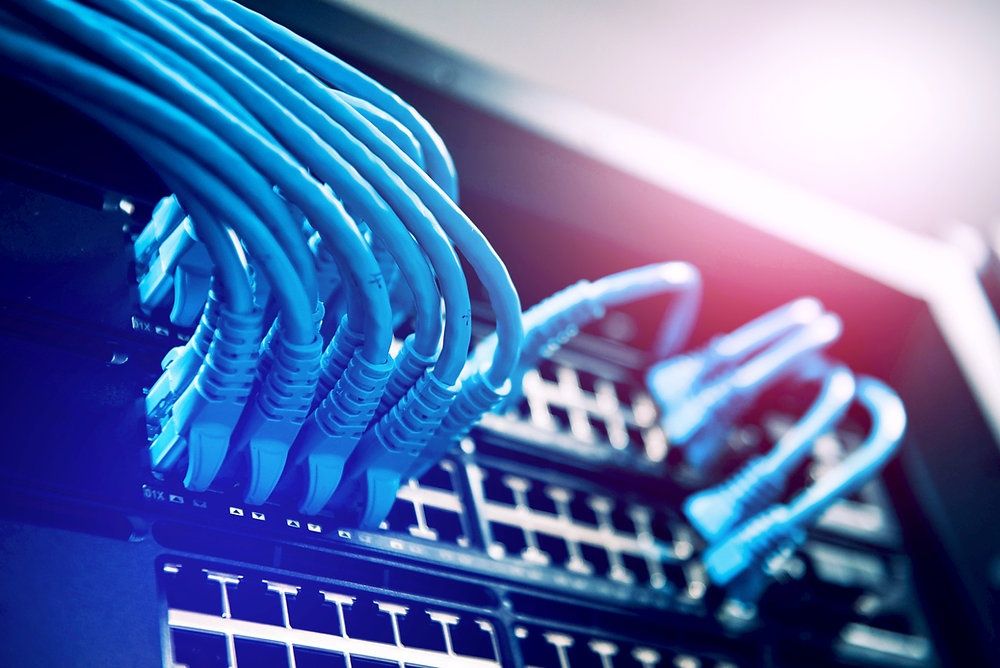
The concept exists because digital networks require reliable physical connections. While wireless technologies are widely used, wired network cabling continues to provide consistent performance, low latency, and predictable signal quality. As organizations rely more on connected systems, understanding data cabling becomes essential for building dependable networks.
Importance: Why Network Cabling Matters in Modern Digital Environments
Data cabling plays a critical role in today’s connected world. It affects IT teams, facility planners, system administrators, and anyone responsible for maintaining digital infrastructure.
Key reasons data cabling remains important include:
-
Stable connectivity: Physical cabling provides consistent data transmission compared to wireless alternatives
-
Network performance: Proper cabling supports higher speeds and reduced signal interference
-
Scalable infrastructure: Structured layouts allow networks to expand without major redesign
-
Operational reliability: Well-planned cabling reduces downtime caused by connection failures
-
Security control: Wired networks offer clearer access management points
From offices and educational facilities to healthcare systems and industrial sites, network cabling basics support communication between routers, switches, servers, and endpoint devices. Without organized cabling, even advanced network hardware cannot function efficiently.
Recent Updates: Current Developments in Structured Cabling Practices
Recent developments in data cabling focus on performance optimization and adaptability to growing data demands. Rather than simple wiring upgrades, modern approaches emphasize long-term flexibility and compatibility with evolving network standards.
Common trends observed in recent periods include:
-
Greater use of fiber cabling: Fiber supports higher bandwidth and longer transmission distances
-
Category upgrades: Newer copper cable categories enable faster Ethernet speeds
-
Improved cable management systems: Organized pathways simplify maintenance and troubleshooting
-
Support for smart buildings: Cabling designs now accommodate IoT devices and automation systems
-
Emphasis on documentation: Clear labeling and mapping improve network visibility
These changes reflect a shift toward future-ready infrastructure where structured cabling systems support both current operations and emerging technologies.
Laws or Policies: Regulatory Considerations for Data Cabling Installations
Data cabling installations are influenced by safety regulations, building standards, and communication guidelines that vary by region. While specific requirements depend on location, several common policy areas apply across most environments.
Typical regulatory considerations include:
-
Electrical safety standards: Rules governing cable insulation, grounding, and routing
-
Fire protection codes: Requirements for flame-resistant and low-smoke cabling materials
-
Building compliance guidelines: Specifications for cable pathways and wall penetrations
-
Telecommunication standards: Frameworks that define performance and interoperability benchmarks
-
Data protection expectations: Policies encouraging secure physical network access
These guidelines ensure that data cabling infrastructure is safe, organized, and compatible with broader network ecosystems.
Tools and Resources: References Used to Understand Network Cabling Layouts
Several tools and reference materials help professionals and learners understand data cabling layouts and performance characteristics.
Commonly used resources include:
-
Cable testing devices for verifying signal integrity
-
Network mapping tools to visualize connections between devices
-
Cable labeling frameworks for organized identification
-
Structured cabling guides explaining layout best practices
-
Signal planning references for estimating distance limitations
These tools support better planning and evaluation of data cabling fundamentals, especially in environments where reliability is essential.
Common Data Cabling Types and Their Applications
Different cable types are used depending on speed, distance, and environmental requirements.
| Cable Type | Primary Use | Key Characteristic |
|---|---|---|
| Cat5e / Cat6 | Office networks | Reliable copper-based transmission |
| Cat6A | High-speed LANs | Reduced interference |
| Fiber optic | Long-distance links | High bandwidth, low signal loss |
| Patch cables | Device connections | Flexible and short-range |
| Backbone cabling | Core networks | Connects main distribution points |
Understanding these options helps clarify how data cabling and networking work together to support communication systems.
FAQs
What are data cabling fundamentals?
Data cabling fundamentals explain how physical cables transmit digital information between network devices and how structured layouts support reliable communication.
How does network cabling differ from wireless networking?
Network cabling uses physical connections that provide consistent performance, while wireless networking relies on radio signals that may vary based on environment.
What is structured cabling?
Structured cabling is an organized approach to network wiring that uses standardized components and layouts for easier management and expansion.
Why is proper cable management important?
Good cable management reduces signal interference, simplifies maintenance, and improves overall network reliability.
Who typically works with data cabling systems?
IT teams, network administrators, facility planners, and infrastructure specialists commonly handle data cabling and networking environments.
Conclusion: Connecting Digital Systems Through Reliable Cabling Foundations
Data cabling remains a fundamental part of modern connectivity, supporting everything from basic office networks to complex digital ecosystems. By understanding network cabling basics, organizations gain insight into how physical infrastructure enables communication, performance, and scalability.
As digital environments continue to grow, structured cabling provides the stability required for long-term operations. Learning data cabling fundamentals helps users appreciate how cables, connectors, and layouts work together to form dependable networks that support evolving technology needs.