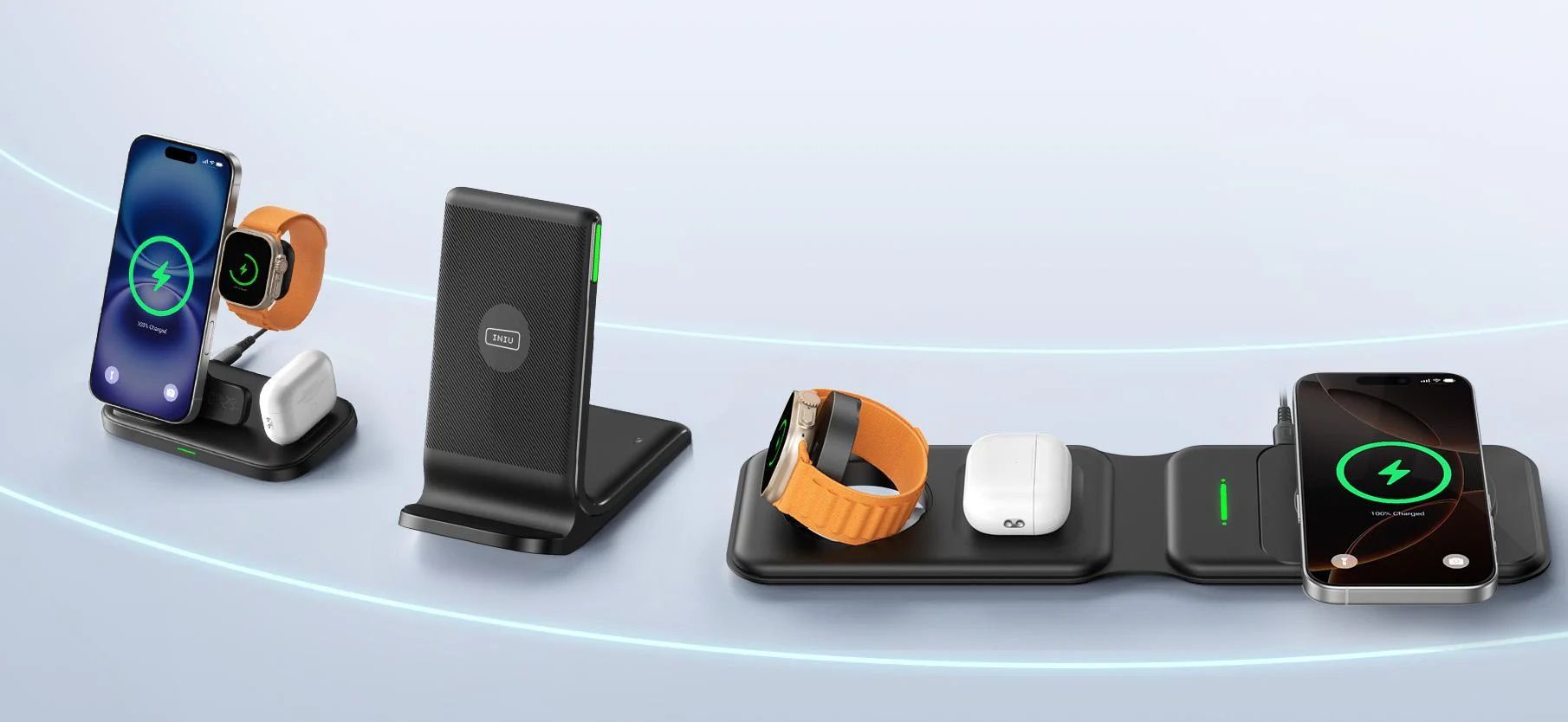
Wireless charging devices allow electronic gadgets to receive power without plugging in cables. This technology is based on electromagnetic induction, where energy transfers between coils inside the charger and the device.
The idea exists to reduce dependency on physical connectors, which can wear out, collect dust, or break over time. As devices like smartphones, earbuds, and smartwatches became more compact and sealed, wireless power transfer offered a cleaner and more durable alternative.
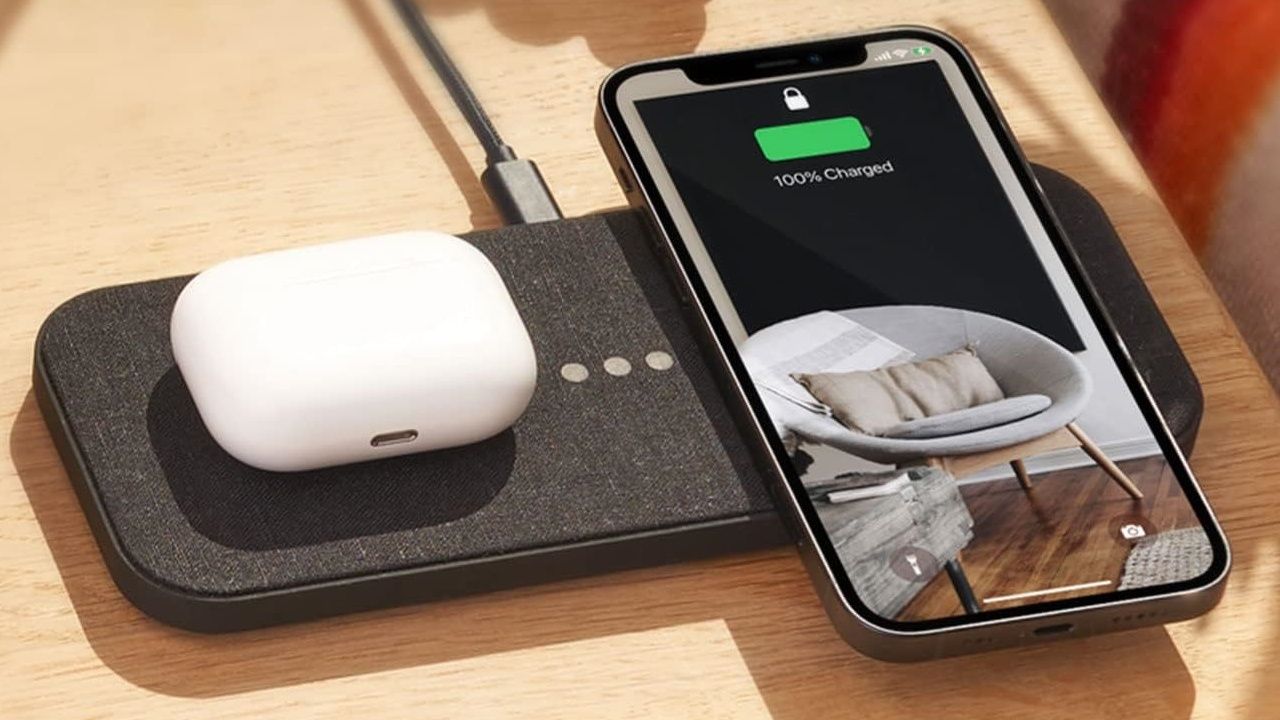
In simple terms, when a compatible device is placed on a wireless charging pad, a magnetic field transfers energy from the charger to the device’s battery. Most modern systems use the Qi standard, ensuring compatibility across different brands.
Wireless charging is not entirely new. It has been used for years in electric toothbrushes and medical devices. However, its adoption has expanded due to increasing demand for convenience and minimalistic design.
Importance – Why Wireless Charging Matters Today
Wireless charging devices are increasingly relevant in daily life, especially as people use multiple gadgets. The technology addresses several practical challenges and improves usability.
Key reasons it matters:
- Reduced cable clutter: Helps maintain a clean workspace or home setup
- Device durability: Less wear on charging ports
- Convenience: Just place and charge—no need to plug and unplug
- Multi-device charging: Some pads support phones, earbuds, and watches together
- Improved safety: Lower risk of exposed electrical contacts
Who it affects:
- Smartphone users and wearable device owners
- Office workers and remote professionals
- Automotive users (wireless charging in cars)
- Public infrastructure users (airports, cafes, and shared spaces)
Problems it helps solve:
- Broken charging ports
- Tangled cables
- Compatibility issues with different connectors
- Limited charging access in shared environments
Wireless charging also plays a role in broader technology ecosystems like smart homes and IoT (Internet of Things), where seamless power delivery improves automation and device integration.
Recent Updates – Trends and Developments
Wireless charging technology continues to evolve with improvements in speed, efficiency, and design integration.
Recent trends include:
- Faster wireless charging: Newer systems support higher wattage levels, reducing charging time compared to earlier models
- Magnetic alignment systems: Devices now use magnets to ensure proper placement, improving efficiency and reducing energy loss
- Extended charging distance: Research is exploring charging over short distances without direct contact
- Integration into furniture and vehicles: Charging pads are being built into desks, tables, and car consoles
- Multi-device ecosystems: Charging stations designed for simultaneous use across multiple gadgets
Emerging innovations:
- Over-the-air wireless charging (still in early stages)
- Improved thermal management to reduce heat generation
- Smart charging systems that adjust power based on device needs
These updates reflect a shift toward a more connected and cable-free environment.
Laws or Policies – Regulations and Standards
Wireless charging devices operate within specific technical and safety frameworks to ensure compatibility and safe usage.
Key regulatory aspects:
- Global charging standards: The Qi standard is widely adopted to ensure interoperability across devices
- Electromagnetic safety limits: Devices must comply with exposure guidelines to ensure safe energy transfer
- Energy efficiency requirements: Regulations encourage reduced energy loss during charging
- Electronic waste policies: Wireless charging can indirectly support longer device lifespans, aligning with sustainability goals
Compliance areas include:
- Certification for electromagnetic compatibility (EMC)
- Safety testing for overheating and electrical hazards
- Standardized charging protocols for cross-device compatibility
These policies help maintain user safety while supporting innovation in wireless power technology.
Tools and Resources – Helpful Platforms and Utilities
Understanding and using wireless charging devices effectively can be supported by various tools and resources.
Useful tools and resources include:
- Device compatibility checkers: Online databases that list supported wireless charging devices
- Power efficiency calculators: Tools to estimate energy usage and charging efficiency
- Manufacturer documentation: Guides explaining optimal usage and placement
- Technology standards websites: Information about wireless charging protocols and updates
- Mobile apps: Some apps monitor charging speed, temperature, and battery health
Example resource categories:
| Resource Type | Purpose |
|---|---|
| Compatibility Tools | Check if a device supports wireless charging |
| Technical Guides | Explain how charging works |
| Monitoring Apps | Track charging performance |
| Standards Documentation | Provide protocol specifications |
Using these resources helps users make informed decisions and improve charging efficiency in daily use.
Wireless Charging vs Wired Charging (Comparison Table)
| Feature | Wireless Charging | Wired Charging |
|---|---|---|
| Convenience | High (no cables) | Moderate |
| Charging Speed | Moderate to High | High |
| Port Wear | Minimal | Higher risk |
| Efficiency | Slightly lower | Higher |
| Setup Simplicity | Very easy | Requires cable connection |
This comparison shows that while wireless charging prioritizes convenience, wired charging still offers slightly higher efficiency in many cases.
FAQs – Common Questions Answered
What is wireless charging and how does it work?
Wireless charging uses electromagnetic fields to transfer energy between a charging pad and a device. A coil inside the charger creates a magnetic field, which is converted into electrical energy by a coil in the device.
Is wireless charging slower than wired charging?
Wireless charging can be slightly slower due to energy loss during transfer. However, newer technologies have significantly improved charging speeds.
Do all smartphones support wireless charging?
No, only devices with built-in wireless charging coils or compatible accessories can use this feature. Many modern smartphones include this capability.
Is wireless charging safe for batteries?
Yes, wireless charging systems are designed with safety features such as temperature control and automatic power regulation to protect batteries.
Can wireless charging work through cases?
In most cases, yes. Thin, non-metallic cases usually do not interfere with charging. Thick or metal cases may reduce efficiency or block charging entirely.
Conclusion
Wireless charging devices represent a practical shift toward more convenient and durable power solutions. By eliminating cables and reducing physical wear, they simplify everyday technology use.
The technology continues to improve with faster speeds, better alignment systems, and integration into everyday environments. While it may not fully replace wired charging in all situations, it offers a valuable alternative for many users.
Understanding how wireless charging works, its benefits, and its limitations helps individuals use it more effectively.