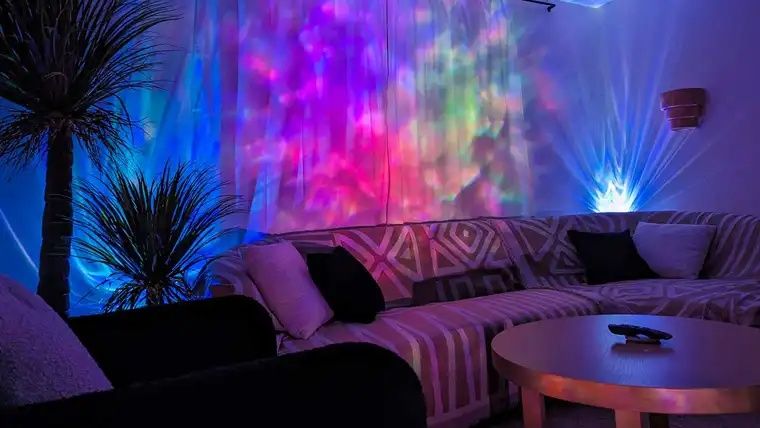
LED floor lighting refers to lighting systems integrated at or near floor level, using energy-efficient LED (Light Emitting Diode) technology. These lights can be installed in baseboards, stair risers, floor tiles, or standalone fixtures like uplighters and floor lamps.
Unlike traditional lighting methods that are positioned above or at eye level, floor lighting is designed to subtly illuminate spaces from below. This provides ambient or accent lighting that enhances atmosphere, safety, and visual clarity without overwhelming the room.
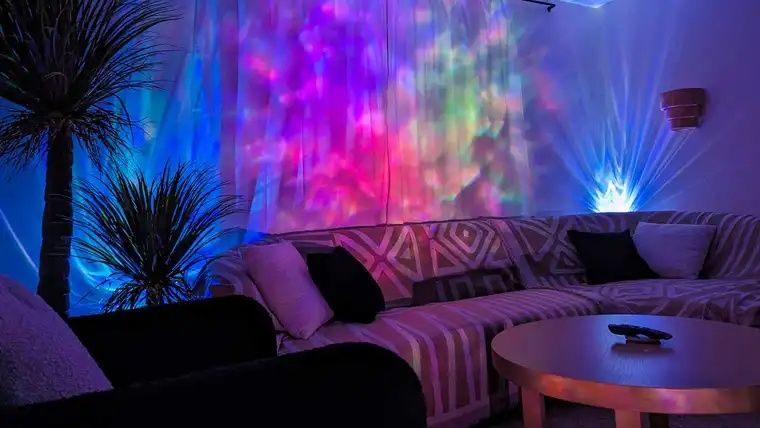
LED technology has transformed the way we approach lighting, especially in home design, retail, offices, and hospitality settings. Its low energy usage, long lifespan, and design flexibility make it an attractive option for modern interiors.
Why LED Floor Lighting is Important Today
As design trends shift toward energy efficiency, smart homes, and aesthetic minimalism, LED floor lighting has become a practical and stylish solution for many spaces.
Who Benefits from It?
-
Homeowners: For accent lighting in living rooms, kitchens, hallways, and bathrooms.
-
Businesses: For safety lighting in corridors, theaters, hotels, or retail.
-
Architects & Interior Designers: For integrating modern lighting that complements clean, functional design.
-
Elderly or mobility-challenged individuals: Floor lighting improves visibility at night, reducing fall risk.
What Problems Does It Solve?
-
Reduces power consumption compared to incandescent or halogen lighting.
-
Enhances visual interest without cluttering wall or ceiling space.
-
Increases safety in dim or windowless areas.
-
Supports zoning in open-concept homes by defining walkways or edges.
Recent Trends and Updates in LED Floor Lighting (2024–2025)
LED floor lighting has seen notable updates in both technology and design. Here are a few recent developments:
| Trend | Details |
|---|---|
| Smart Lighting Integration | As of 2024, over 60% of LED floor lights support voice assistants like Alexa or Google Home. |
| RGB Color Customization | Many LED strips and fixtures offer millions of colors for mood lighting, especially popular in gaming setups or home theaters. |
| Motion Sensors and Dimming | Newer systems use motion detection and light-sensitive dimming to reduce energy usage in staircases or hallways. |
| Sustainable Materials | Brands are shifting to recyclable casings and energy-star rated components to meet green building standards. |
| Modular Lighting Panels | DIY-style LED panels now allow easier installation in floors and walls with magnetic or adhesive backings. |
Laws, Guidelines, and Energy Policies Affecting LED Lighting
Depending on the region or country, there may be regulations regarding energy efficiency and building codes that impact floor lighting:
United States
-
Energy Star Program: LED products must meet strict energy efficiency guidelines.
-
Title 24 (California): Requires high-efficacy lighting and automated controls in residential and commercial buildings.
-
ADA Compliance: Lighting must not obstruct pathways or pose a tripping hazard, especially in public and commercial environments.
European Union
-
Ecodesign Directive: Encourages removal of inefficient lamps; only energy-rated LED products can be sold from 2023 onward.
-
RoHS Directive: Restricts hazardous materials like mercury in lighting products.
India
-
UJALA Scheme: Promotes widespread distribution of affordable LED lights to reduce nationwide electricity demand.
-
BEE Standards: LED lighting must adhere to the Bureau of Energy Efficiency (BEE) labeling system for quality and consumption.
Wherever you are, it's essential to check local building and energy codes before installation.
Helpful Tools, Resources, and Ideas for LED Floor Lighting
Here are tools and platforms that can support planning and implementing LED floor lighting effectively:
Planning Tools
-
Relux and DIALux: Free lighting design software for visualizing LED placement.
-
HomeByMe: 3D modeling tool that includes lighting simulations.
-
Lumen Calculator: Online calculators to estimate the brightness required for each room.
Smart Home Integration
-
Philips Hue App: Controls floor lights via phone or voice.
-
Samsung SmartThings: Centralizes smart lighting and motion sensor automation.
Design Inspiration
-
Pinterest and Houzz: Explore real-world floor lighting ideas by room type.
-
YouTube Channels: “Lighting Design Lab” and “Home Decor Buzz” for tutorials and tips.
Installation Services
-
TaskRabbit / Urban Company: Find professional installers near you.
-
IKEA Planning Services: Support for designing LED lighting layouts using their modular systems.
Room-by-Room Ideas for LED Floor Lighting
LED floor lights are not one-size-fits-all. Here’s how they can enhance specific spaces:
Living Room
-
Use LED strip lights under furniture (like couches or media consoles) for soft ambient light.
-
Install recessed uplights near walls or columns for architectural drama.
Kitchen
-
Toe-kick lighting under cabinets adds function and style.
-
Baseboard lighting improves visibility in dim areas or late-night use.
Bathroom
-
Low-level waterproof LED strips along the floor or under the vanity create a spa-like feel.
-
Motion-activated night lights improve nighttime navigation.
Hallways & Stairs
-
Recessed floor lights or step riser LEDs increase safety and elegance.
-
Use warm white tones to maintain a cozy atmosphere.
Bedroom
-
Under-bed lighting creates a floating effect and provides nighttime light without glare.
-
Accent lighting along wardrobes or mirrors boosts functionality.
FAQs about LED Floor Lighting
Q1: Is LED floor lighting safe to install in wet areas like bathrooms?
Yes, provided you use waterproof (IP65 or higher) LED fixtures specifically rated for wet locations.
Q2: How long do LED floor lights typically last?
Quality LED floor lights can last between 25,000 to 50,000 hours, depending on usage and build quality.
Q3: Can I install LED floor lights myself?
Yes, many LED strips or modular systems are DIY-friendly. However, for in-floor recessed lighting, professional installation is recommended for electrical safety.
Q4: Are LED floor lights expensive to run?
Not at all. LED lights use up to 80% less electricity than traditional incandescent bulbs, making them cost-effective in the long term.
Q5: Do LED floor lights increase home value?
While not guaranteed, well-placed LED lighting can improve visual appeal and modernize a space, which may enhance resale potential.
Conclusion
LED floor lighting is a functional and aesthetic choice that aligns with modern design goals efficiency, minimalism, and smart integration. Whether you're enhancing safety in staircases or creating mood lighting in living spaces, the adaptability of LED technology offers a tailored lighting experience for any room.
With continued developments in smart controls, color versatility, and sustainable design, LED floor lighting is not just a trend but a long-term investment in better living. Be sure to consult local guidelines, use appropriate tools, and experiment with layouts to find the perfect fit for your space.