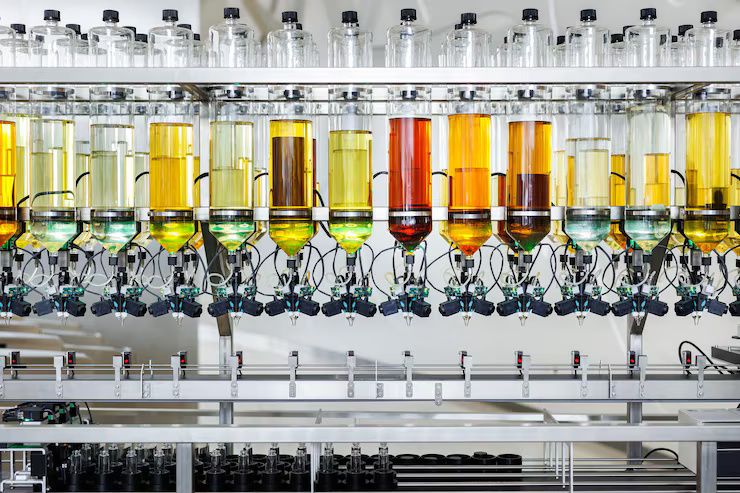
Liquid filling machines are specialized equipment used to accurately fill liquids into containers such as bottles, cans, pouches, and jars. These machines are widely used across industries including food and beverages, pharmaceuticals, cosmetics, chemicals, and household products. The primary goal of liquid filling systems is to ensure precise volume control, minimize waste, and maintain hygiene and consistency in production.
In recent years, the demand for advanced liquid filling machines has increased due to growth in packaged goods, stricter quality standards, and automation in manufacturing. Businesses are adopting high-speed, automated systems to improve efficiency, reduce manual errors, and meet regulatory requirements. Additionally, innovations such as smart sensors, servo-driven systems, and integration with packaging lines are enhancing performance.
Understanding the working principles and types of liquid filling machines is essential for manufacturers, engineers, and business owners. It helps in selecting the right equipment based on product characteristics, production volume, and operational requirements.
Who It Affects and What Problems It Solves
Liquid filling machines impact a wide range of industries and stakeholders. Manufacturers rely on these systems for efficient packaging and product consistency. Production managers and operators benefit from automation, which reduces manual workload and improves accuracy. Quality control teams depend on these machines to maintain uniform filling standards.
Small and medium enterprises (SMEs) and large-scale production facilities both use filling machines, though their requirements may differ in terms of speed, automation level, and capacity.
Problems It Solves
- Inconsistent Filling: Ensures accurate and uniform liquid volumes
- Manual Labor Dependency: Reduces reliance on manual filling processes
- Product Waste: Minimizes spillage and overfilling
- Production Inefficiency: Increases speed and throughput
- Hygiene and Contamination Risks: Maintains clean and controlled environments
- Packaging Errors: Improves precision and repeatability
Liquid filling machines streamline packaging operations and improve overall production efficiency.
Recent Updates and Industry Trends
The liquid filling machinery industry has evolved significantly over the past year:
- Automation and Smart Systems: Integration of sensors and IoT for real-time monitoring
- Servo-Driven Filling Machines: Improved accuracy and energy efficiency
- Flexible Equipment Designs: Machines capable of handling multiple container types
- Hygienic and Aseptic Filling: Increased demand in food and pharmaceutical industries
- Sustainability Focus: Reduced material waste and energy consumption
- Growth in E-commerce Packaging: Higher demand for efficient filling solutions
India’s manufacturing and packaging sectors are also adopting advanced filling technologies to meet global standards.
Comparison Table: Types of Liquid Filling Machines
| Type of Filling Machine | Working Principle | Suitable Applications |
|---|---|---|
| Gravity Filler | Uses gravity to fill liquids | Water, juices, low-viscosity liquids |
| Piston Filler | Uses piston mechanism for precise volume | Sauces, creams, thick liquids |
| Overflow Filler | Ensures consistent fill level | Bottled beverages, cosmetics |
| Pump Filler | Uses pumps for controlled filling | Chemicals, oils |
| Vacuum Filler | Uses vacuum pressure for filling | Glass bottles, specialty liquids |
| Aseptic Filler | Sterile filling environment | Pharmaceuticals, dairy products |
Laws, Policies, and Government Regulations
Liquid filling machines are subject to strict regulations, especially in food, pharmaceutical, and chemical industries.
Key Regulations
- Food Safety Standards (India): Ensure hygiene and safe packaging of consumables
- Pharmaceutical Regulations: Require sterile and precise filling processes
- Industrial Safety Standards: Ensure safe machine operation
- Environmental Regulations: Control waste and emissions
Practical Guidance
- Food and Beverage Industry: Must use hygienic and food-grade equipment
- Pharmaceutical Sector: Requires aseptic filling systems and strict compliance
- Chemical Industry: Needs corrosion-resistant materials and safety measures
- Quality Assurance: Regular inspection and calibration are essential
Compliance ensures product safety, quality, and regulatory adherence.
Tools and Resources
Several tools and resources support liquid filling operations:
Digital Tools
- Production monitoring software
- Filling accuracy control systems
Maintenance Tools
- Preventive maintenance scheduling software
- Machine diagnostic systems
Quality Control Tools
- Volume measurement and calibration tools
- Leak detection systems
Industry Resources
- Packaging standards and guidelines
- Manufacturer manuals and technical documentation
Training Resources
- Operator training programs
- Safety and compliance certification courses
These resources help improve efficiency, accuracy, and reliability.
Frequently Asked Questions (FAQ)
What is a liquid filling machine?
A liquid filling machine is equipment used to fill liquids into containers accurately and efficiently.
Which type of filling machine is best for thick liquids?
Piston fillers are typically used for thick liquids such as sauces and creams.
How does an overflow filler work?
It fills containers to a consistent level by allowing excess liquid to overflow back into the system.
Are liquid filling machines automated?
Many modern machines are automated, though semi-automatic options are also available.
What industries use liquid filling machines?
Industries such as food and beverage, pharmaceuticals, cosmetics, and chemicals use these machines.
Conclusion
Liquid filling machines are essential for modern packaging operations, offering accuracy, efficiency, and consistency across industries. Advances in automation, smart controls, and hygienic design have significantly improved their performance and applicability.
Data-driven insights indicate that businesses using advanced filling systems benefit from reduced waste, improved product quality, and higher production efficiency. While basic machines remain suitable for small-scale operations, automated systems are increasingly preferred for large-scale manufacturing.
For businesses, selecting the right type of liquid filling machine depends on product characteristics, production volume, and regulatory requirements. Overall, these machines play a crucial role in ensuring efficient and reliable packaging processes.