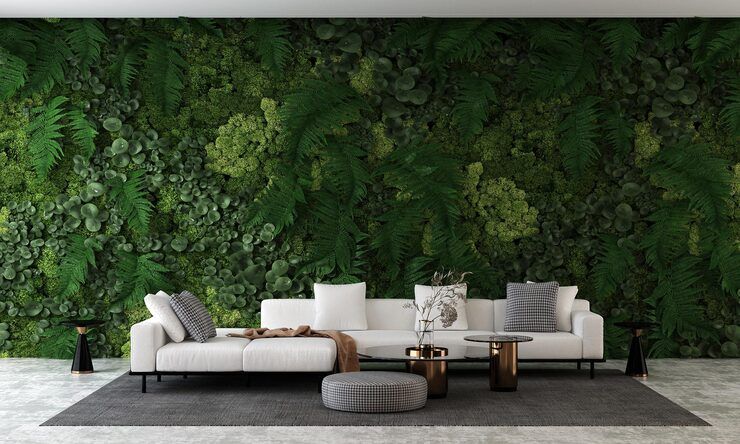
A living wall, also known as a vertical garden or green wall system, is a structure where plants grow vertically on a wall surface. Unlike traditional landscaping, which spreads horizontally, a living wall uses specially designed panels, soil substrates, or hydroponic systems to support plant growth on building interiors or exteriors.
Living walls are designed to maximize greenery in limited urban spaces. As cities become denser, architects and designers increasingly integrate vertical garden systems into buildings and infrastructure.
Modern living wall systems include structural panels, irrigation systems, drainage layers, and selected plant species. These installations can be placed indoors or outdoors to support sustainable architecture and urban greening initiatives.
Core Components of Living Walls
Typical systems include:
- Structural support panels
- Irrigation systems
- Drainage layers
- Growth medium (soil or hydroponic)
- Selected plant species
Importance of Living Walls
Living walls play an important role in environmental sustainability, architectural design, and human well-being.
Environmental Benefits
Vertical gardens contribute to urban ecosystems in several ways:
- Improved air quality through plant filtration
- Reduction of urban heat island effect
- Noise absorption in dense areas
- Support for biodiversity
Energy Efficiency
Green wall systems can act as natural insulation for buildings. This may help regulate indoor temperatures and reduce cooling requirements in warmer climates.
Wellness and Productivity
Indoor living walls create biophilic environments that promote calmness. Exposure to greenery is associated with improved focus and overall well-being in workplaces and public spaces.
Urban Planning Impact
Cities with limited open space can incorporate vertical gardens into existing structures. This approach supports sustainable development without requiring additional land.
Types of Living Wall Systems
Modular Panel Systems
These are pre-assembled panels that attach directly to walls. They are widely used in commercial environments due to ease of installation.
Hydroponic Wall Systems
Hydroponic systems use water and nutrient solutions instead of soil. They are commonly used in controlled indoor environments.
Soil-Based Vertical Gardens
These systems use traditional soil as the growing medium. They are suitable for smaller installations and residential applications.
Exterior Green Facades
Climbing plants grow along structural supports on building exteriors. These systems are often used for large-scale outdoor applications.
Plant Selection Overview
Choosing plants depends on climate, lighting, and maintenance capacity.
Common Indoor Plants
- Pothos
- Fern varieties
- Philodendron
- Peace lilies
Common Outdoor Plants
- Ivy
- Succulents
- Ornamental grasses
- Native flowering species
Plant Type Comparison Table
| Plant Category | Light Requirement | Maintenance Level | Suitable Location |
|---|---|---|---|
| Ferns | Low to Medium | Moderate | Indoor |
| Succulents | High | Low | Outdoor |
| Ivy | Medium | Moderate | Exterior walls |
| Native Shrubs | Varies | Moderate | Outdoor facades |
Selecting native species can improve sustainability and reduce water consumption.
Recent Updates (2025–2026)
Recent trends highlight innovation and sustainability in living wall systems.
Smart Irrigation Integration (2025)
Advanced systems now include moisture sensors and automated nutrient delivery. These technologies improve water efficiency and plant health.
Green Building Certifications (2025)
More buildings are aligning with sustainability standards such as LEED certification. This reflects increasing demand for environmentally responsible construction.
Urban Climate Initiatives (2026)
Cities are expanding green infrastructure programs to address heat and air pollution. Living walls are a key part of these initiatives.
Use of Recycled Materials
Designers are incorporating recycled materials into structural systems. This reduces environmental impact and supports circular design practices.
Laws and Policies
Living wall installations are subject to building regulations and environmental policies.
Building Regulations
Key requirements may include:
- Structural load compliance
- Fire safety standards
- Material safety considerations
Water Management Rules
Some regions regulate irrigation practices and encourage efficient water use. Rainwater harvesting systems may also be supported.
Green Infrastructure Incentives
Government programs may promote sustainable building practices. These initiatives align with broader environmental goals.
Urban Planning Guidelines
Permits may be required for exterior installations to ensure compliance with zoning and safety regulations.
Tools and Resources
Various tools help in designing, installing, and maintaining living walls.
Design Software
- CAD tools for architectural modeling
- Landscape design platforms
Irrigation Planning Tools
- Automated irrigation controllers
- Water flow calculators
- Soil moisture monitoring systems
Sustainability Certification Resources
- LEED documentation guidelines
- Environmental impact assessment templates
Plant Databases
- Climate-based plant selection guides
- Botanical reference platforms
Maintenance Tracking Tools
- Digital plant care logs
- Smart irrigation monitoring dashboards
Living Wall System Components
| Component | Function |
|---|---|
| Structural Frame | Supports plant system weight |
| Waterproof Membrane | Protects wall surface |
| Irrigation Network | Supplies water and nutrients |
| Drainage Layer | Prevents water accumulation |
| Growth Medium | Anchors plant roots |
Maintenance Overview
Maintaining a living wall requires consistent care and monitoring.
Key Maintenance Tasks
- Regular inspection of irrigation systems
- Pruning and replacing plants
- Monitoring nutrient balance
- Checking structural stability
Proper maintenance ensures plant health and prevents structural or water-related issues.
FAQs
What is a living wall?
A living wall is a vertical garden system that integrates plants into wall structures using irrigation and support systems.
Are living walls suitable for homes?
Yes, smaller systems can be installed in residential spaces with proper planning and maintenance.
Do living walls improve air quality?
Plants may help improve indoor air conditions, depending on the scale and plant types used.
How much maintenance is required?
Maintenance depends on the system type. Automated systems can reduce manual effort.
Can living walls work in hot climates?
Yes, with appropriate plant selection and efficient irrigation design.
Conclusion
Living walls represent an innovative way to integrate nature into urban environments. By combining vertical gardening, smart irrigation, and sustainable design, they address environmental and spatial challenges.
Recent developments emphasize automation, sustainability certifications, and eco-friendly materials. Regulatory frameworks help ensure safety and environmental compliance.
Understanding system components, plant selection, and maintenance requirements enables better planning and implementation. As cities continue to prioritize green infrastructure, living walls remain a practical and sustainable solution.