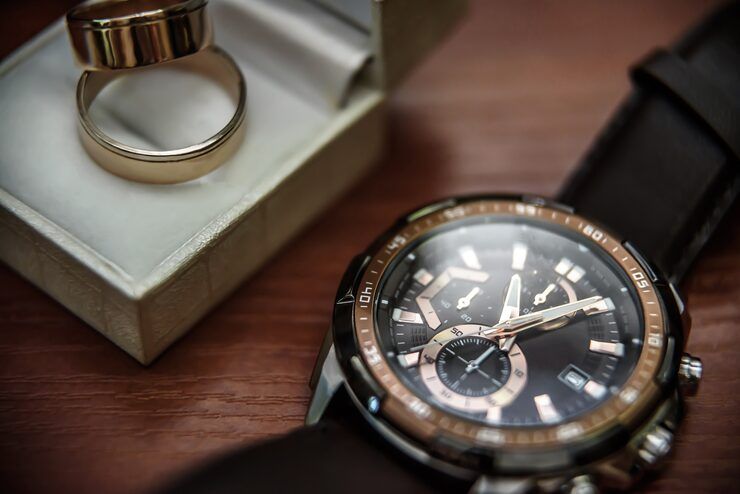
Luxury watches are timekeeping instruments created with a strong emphasis on craftsmanship, durability, and aesthetic refinement. Beyond telling time, they represent mechanical engineering, material science, and decorative arts combined into a single object.
This knowledge exists because luxury watches differ significantly from everyday timepieces. Their value and performance depend on carefully selected materials, precisely engineered metals, and specialized finishing methods. Each component, from the case to the movement, is designed to function reliably while also meeting visual and tactile expectations.
Historically, watchmaking evolved in regions known for precision metalwork and mechanical innovation. Over time, watchmakers refined techniques to improve accuracy, longevity, and appearance. Understanding materials and finishing methods helps explain how these watches are constructed and why certain design choices matter.
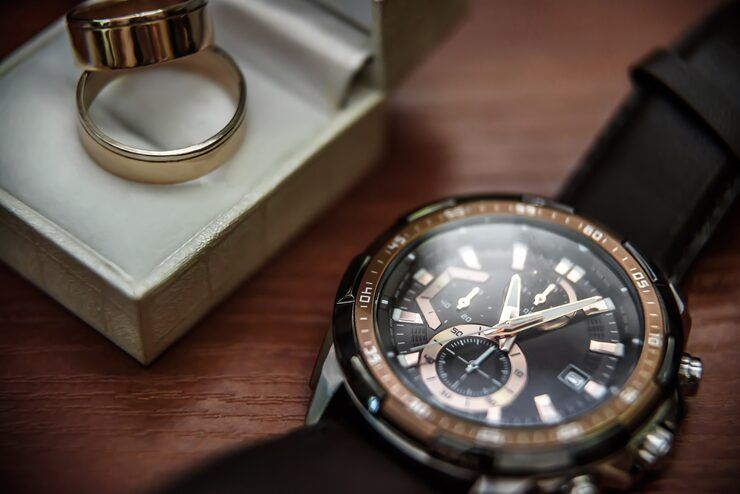
Importance: Why Materials and Finishing Matter Today
Materials and finishing methods matter because they directly affect how a luxury watch performs, ages, and is perceived. Modern wearers expect watches to withstand daily use while maintaining visual quality over long periods.
This topic is relevant to:
-
Watch enthusiasts and collectors
-
Students of design and engineering
-
Professionals in manufacturing and materials science
-
Consumers seeking product knowledge
Key challenges that material and finishing choices help address include:
-
Resistance to scratches and corrosion
-
Long-term mechanical reliability
-
Comfort and wearability
-
Visual consistency over time
In luxury watchmaking, finishing is not only functional but also expressive. Surface treatments influence how light interacts with metal, how components fit together, and how a watch feels on the wrist. Understanding these factors provides insight into why luxury watches are engineered differently from mass-produced alternatives.
Recent Updates: Industry Developments in the Past Year
Over the past year, luxury watchmaking has continued to evolve, with increased focus on material innovation and refined finishing techniques.
Key updates since 2024 include:
-
Expanded use of advanced alloys: In 2024, more manufacturers incorporated proprietary steel and titanium blends to improve strength and corrosion resistance.
-
Ceramic and composite refinement: Late 2024 saw improvements in ceramic case durability and color stability.
-
Sustainability considerations: Throughout 2024 and into early 2025, watchmakers emphasized traceable sourcing of precious metals.
-
Movement finishing visibility: In 2025, more watches featured transparent case backs, highlighting decorative finishing.
-
Precision manufacturing tools: Updated micro-machining methods introduced in 2025 improved consistency in component finishing.
These developments show a balance between traditional craftsmanship and modern material science.
Laws and Policies: Regulations Affecting Luxury Watch Materials
Luxury watch materials are influenced by international regulations and trade policies, especially when precious metals are involved.
In many countries, the use and labeling of precious metals such as gold and platinum are governed by hallmarking laws. These laws ensure that metal purity is accurately represented. In Switzerland, watchmaking standards are often associated with national regulations that define manufacturing and assembly criteria.
Environmental and sourcing policies also play a role. Regulations governing responsible mining and material traceability affect how metals are sourced and documented. International trade rules influence how watches and components move across borders.
These laws aim to protect consumers, ensure transparency, and support ethical material practices without dictating design choices.
Tools and Resources: Learning About Watch Materials and Finishing
Several tools and resources help explain the materials and finishing methods used in luxury watches. These are commonly used in education, design analysis, and industry reference.
Helpful resource categories include:
-
Materials reference guides explaining metal properties
-
Microscopy and imaging tools for studying surface finishing
-
Technical diagrams of watch movements and cases
-
Industry publications on watchmaking techniques
Below is an overview of common materials and their typical uses:
| Material Type | Common Use in Watches | Key Characteristics |
|---|---|---|
| Stainless steel | Watch cases and bracelets | Durable, corrosion resistant |
| Gold alloys | Cases, bezels, markers | Malleable, visually distinctive |
| Titanium | Lightweight cases | Strong, low weight |
| Ceramic | Bezels and cases | Scratch resistant |
| Sapphire crystal | Watch glass | High hardness, clarity |
These resources help clarify why certain materials are chosen for specific components.
Materials: Understanding What Luxury Watches Are Made Of
Luxury watches use a range of materials selected for both performance and appearance. Each material behaves differently under stress, temperature changes, and daily wear.
Common material categories include:
-
Metals for cases, movements, and bracelets
-
Crystals for protecting the dial
-
Synthetic materials for durability and weight reduction
Metal selection affects weight, strength, and corrosion resistance. Non-metal materials, such as sapphire crystal, protect the watch face while maintaining clarity. Material compatibility is carefully considered to prevent wear between moving parts.
Metals: Role of Alloys and Precious Elements
Metals are central to luxury watch construction. Pure metals are rarely used; instead, alloys are created to improve hardness and durability.
Examples include:
-
Stainless steel alloys designed for corrosion resistance
-
Gold alloys blended for strength and color stability
-
Titanium alloys offering high strength-to-weight ratios
Each alloy is engineered to balance machinability, longevity, and visual appeal. Metal choice also affects how finishing techniques can be applied.
Finishing Methods: From Function to Visual Refinement
Finishing methods define the final appearance and tactile quality of a luxury watch. These techniques are applied to both visible components and internal movement parts.
Common finishing methods include:
-
Polishing: Creates reflective surfaces
-
Brushing: Produces fine linear textures
-
Beveling: Softens and decorates edges
-
Graining: Adds uniform surface patterns
Finishing also has a functional role. Smooth surfaces reduce friction and wear between components. Decorative finishes highlight craftsmanship and allow visual inspection of mechanical quality.
Movement Finishing: Precision at a Microscopic Level
The movement is the mechanical core of a luxury watch. Finishing here often occurs at a very small scale.
Typical movement finishes include:
-
Geneva stripes on bridges
-
Circular graining on plates
-
Polished screw heads
While these finishes do not change timekeeping accuracy directly, they demonstrate attention to detail and manufacturing discipline.
FAQs: Common Questions About Luxury Watch Materials and Finishing
Why are alloys used instead of pure metals?
Alloys improve strength, durability, and resistance to wear compared to pure metals.
Does finishing affect how a watch performs?
Yes. Certain finishes reduce friction and improve component longevity.
Are ceramics stronger than metals in watches?
Ceramics are highly scratch resistant but behave differently under impact than metals.
Why are some finishes applied to parts not visible?
They reflect craftsmanship standards and can improve mechanical reliability.
Do materials influence watch comfort?
Yes. Weight, temperature response, and surface texture all affect wearability.
Conclusion
Luxury watches combine advanced materials, carefully engineered metals, and refined finishing methods to create durable and visually distinctive timepieces. Each choice, from alloy composition to surface treatment, influences how a watch performs and ages.
Recent developments highlight ongoing innovation in materials and manufacturing precision, while regulations ensure transparency and responsible sourcing. Understanding these elements provides a clearer view of how luxury watches are constructed and why craftsmanship remains central to their design.
By exploring materials, metals, and finishing methods, readers gain practical insight into the technical foundation behind luxury watchmaking.