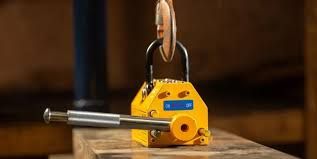
Magnetic lifters are specialized industrial devices designed to lift and move heavy metal objects using magnetic force instead of traditional hooks, clamps, or slings. These tools are commonly used in manufacturing, warehousing, construction, and metalworking environments where handling steel plates, sheets, pipes, or components is routine.
Magnetic lifters were developed to simplify the process of moving ferromagnetic materials such as iron and steel. Traditional lifting methods often require chains, ropes, or manual handling, which can be time-consuming and increase the risk of workplace injuries. Magnetic lifting technology offers a more efficient and safer alternative by using magnetic force to securely grip metal surfaces.
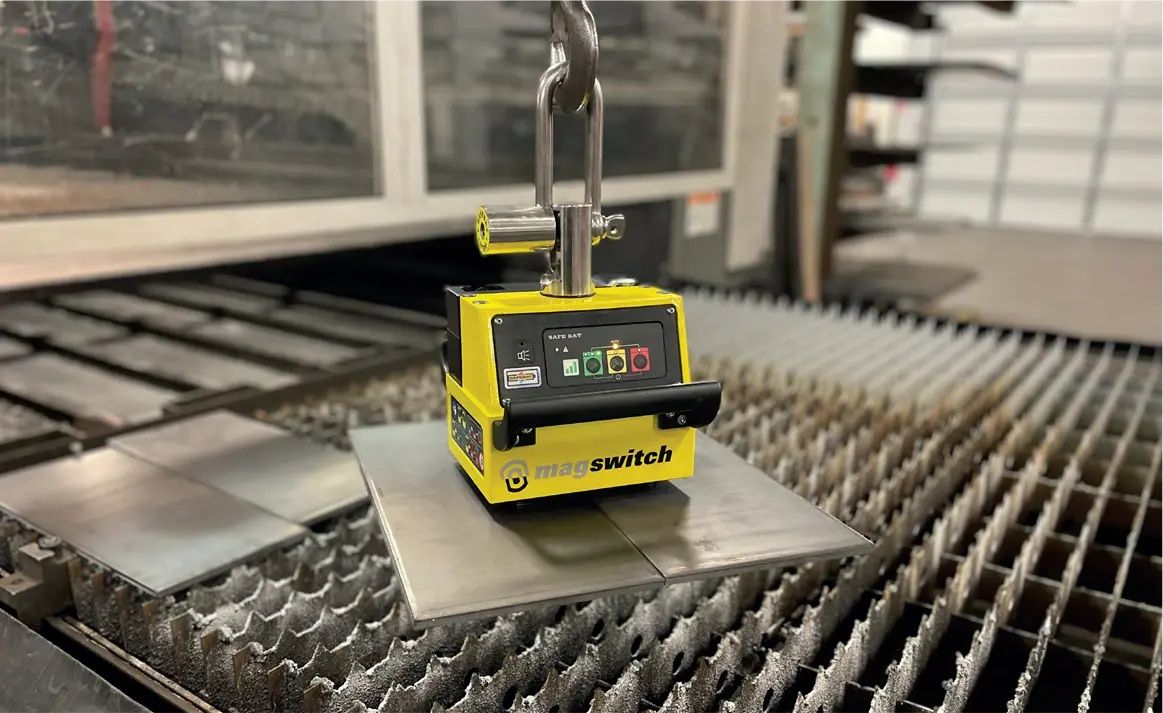
The concept relies on the natural property of magnetism. Permanent or electromagnetic systems create a strong magnetic field that attaches to metal objects without direct mechanical fastening. This allows workers to lift heavy loads quickly, reduce setup time, and improve workflow efficiency.
Magnetic lifters exist because industries need reliable, fast, and safe material handling solutions. As industrial operations scale and automation becomes more important, these tools play a key role in improving productivity and reducing manual effort.
Why Magnetic Lifters Matter Today
Magnetic lifters are increasingly important due to the growing demand for efficiency, workplace safety, and precision in industrial operations. They are widely used across sectors such as:
-
Steel fabrication and metal processing
-
Automotive and heavy equipment manufacturing
-
Warehousing and logistics
-
Shipbuilding and construction
These devices address several common challenges:
-
Reducing manual labor and worker fatigue
-
Minimizing the risk of accidents caused by slipping loads
-
Improving speed in loading and unloading operations
-
Ensuring better handling of large, flat, or irregular metal objects
From a safety perspective, magnetic lifters help reduce workplace injuries related to improper lifting techniques. From an operational standpoint, they enhance productivity by enabling faster and more consistent handling processes.
In modern industrial environments, where downtime and inefficiency can impact overall output, magnetic lifters contribute to streamlined workflows and better resource utilization.
Recent Updates and Trends in Magnetic Lifting Technology
Magnetic lifter technology has evolved significantly with advancements in engineering, automation, and smart systems. Recent developments focus on improving safety, efficiency, and integration with digital tools.
Some notable trends include:
-
Smart magnetic lifters with load sensors that monitor weight and balance in real time
-
Battery-powered electromagnetic lifters designed for portability and flexibility
-
Integration with automation systems such as robotic arms and cranes
-
Enhanced safety locking mechanisms to prevent accidental release
There has also been increased attention to energy-efficient designs, especially in electromagnetic systems that require power to operate. Manufacturers are focusing on reducing energy consumption while maintaining strong lifting capacity.
Another trend is the adoption of digital monitoring systems. These systems track usage patterns, maintenance schedules, and operational performance, helping industries optimize their equipment and reduce downtime.
Laws, Regulations, and Safety Standards
Magnetic lifters are subject to various safety standards and industrial regulations that ensure proper usage and prevent accidents. These rules typically focus on load capacity, testing, inspection, and operator training.
Common regulatory aspects include:
-
Load rating requirements to ensure lifters are used within safe limits
-
Regular inspection and maintenance protocols
-
Certification standards for lifting equipment
-
Operator safety training guidelines
Safety standards often require magnetic lifters to undergo periodic testing to verify their holding capacity and reliability. Proper labeling of maximum load limits is also essential to prevent misuse.
Workplace safety guidelines emphasize the importance of:
-
Using lifters only on suitable materials (ferromagnetic metals)
-
Ensuring clean and flat contact surfaces for maximum grip
-
Avoiding sudden movements during lifting operations
-
Keeping personnel clear of suspended loads
These regulations help maintain a safe working environment and ensure that magnetic lifting equipment is used correctly and responsibly.
Tools, Resources, and Helpful Utilities
There are several tools and resources available to support the effective use of magnetic lifters in industrial settings. These resources help users understand load capacity, safety requirements, and operational best practices.
Useful tools and resources include:
-
Load capacity calculators that estimate safe lifting limits based on material thickness and surface condition
-
Inspection checklists for routine equipment maintenance
-
Training modules and safety guides for operators
-
Digital monitoring systems that track usage and performance
-
Engineering reference charts for magnetic strength and material compatibility
A simple reference table can help illustrate key factors affecting lifting performance:
| Factor | Impact on Lifting Performance |
|---|---|
| Material type | Stronger on ferromagnetic metals |
| Surface condition | Clean, flat surfaces improve grip |
| Thickness of material | Thicker materials hold better |
| Air gaps | Reduce magnetic strength significantly |
| Temperature | Extreme heat may affect performance |
Another helpful comparison highlights the difference between permanent and electromagnetic lifters:
| Feature | Permanent Magnetic Lifters | Electromagnetic Lifters |
|---|---|---|
| Power requirement | No external power needed | Requires الكهرباء or battery |
| Control | Manual operation | Automated control options |
| Safety | Consistent hold | Depends on power supply |
| Flexibility | Limited adjustments | Adjustable lifting force |
These tools and references provide valuable insights for safe and efficient operation.
Frequently Asked Questions
What materials can magnetic lifters handle?
Magnetic lifters are designed for ferromagnetic materials such as iron and steel. They do not work effectively on non-magnetic materials like aluminum, copper, or plastic.
How do magnetic lifters maintain their grip?
They use magnetic force to create a strong attraction between the lifter and the metal surface. Permanent magnets provide a constant force, while electromagnetic systems generate force when powered.
Are magnetic lifters safe to use?
Yes, when used correctly and within their rated capacity. Proper training, regular inspection, and adherence to safety guidelines are essential for safe operation.
What factors affect lifting capacity?
Key factors include material thickness, surface condition, contact area, and the presence of air gaps. These elements influence how effectively the magnetic field can hold the load.
Do magnetic lifters require maintenance?
Yes, regular inspection is important to ensure reliability. Maintenance may include checking for wear, verifying load capacity, and ensuring proper functioning of mechanical or electrical components.
Conclusion
Magnetic lifters are an essential part of modern industrial operations, offering a practical and efficient solution for handling heavy metal objects. By leveraging magnetic force, these devices reduce manual effort, improve safety, and enhance productivity across various industries.
Understanding how magnetic lifters work, why they are important, and how to use them safely is crucial for anyone involved in material handling. With ongoing advancements in technology and increasing emphasis on workplace safety, magnetic lifting systems continue to evolve and play a vital role in industrial efficiency.