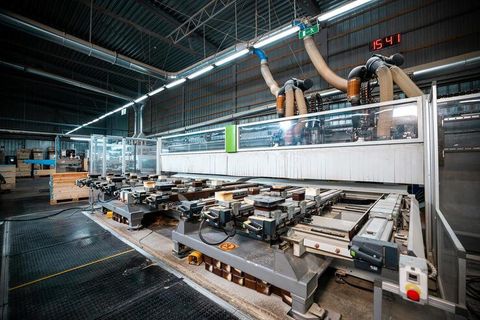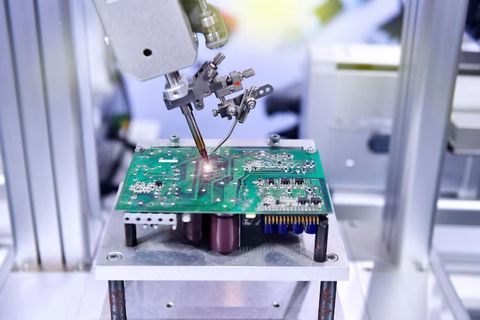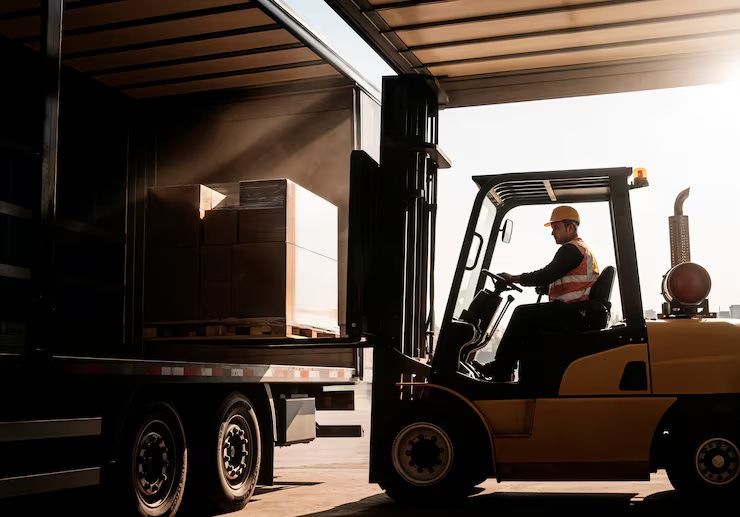
Material handling refers to the systematic movement, storage, control, and protection of materials, goods, and products throughout manufacturing, warehousing, distribution, and disposal processes. It exists to ensure that materials flow smoothly from one stage of an operation to another while minimizing delays, damage, and unnecessary effort.
Historically, material handling began with manual labor and simple tools used to move and store goods. As industries expanded and supply chains became more complex, structured systems were developed to manage higher volumes and heavier loads. Modern material handling now combines mechanical equipment, layout planning, standardized procedures, and digital systems.
Material handling is used across many sectors, including manufacturing, warehouses, construction, ports, and healthcare. Its purpose extends beyond movement to include storage, tracking, and protection of materials to maintain quality and operational continuity.
Importance: Why Material Handling Matters Today
Material handling is a key component of operational efficiency and workplace safety. As supply chains become more interconnected, handling practices directly influence productivity and reliability.
Key Reasons This Topic Matters
Material handling is important because it:
- Supports efficient workflows and reduces bottlenecks
- Helps prevent workplace injuries related to lifting and movement
- Improves space utilization and inventory organization
- Contributes to consistent delivery and operational accuracy
This topic affects workers, operations managers, and organizations across industries. Effective handling systems reduce material damage, improve visibility, and enhance resource utilization.
By addressing issues such as manual strain, delays, and inefficiencies, material handling helps create safer and more productive environments.
Recent Updates: Trends and Developments
Material handling has evolved significantly during 2024 and 2025, driven by automation, safety, and data-focused operations.
Automation and Semi-Automation
In early 2024, there was increased adoption of automated and semi-automated systems. These systems reduce repetitive manual tasks and improve consistency in material flow.
Focus on Safety and Ergonomics
By mid-2024, organizations emphasized ergonomic design and injury prevention. Assistive devices and improved layouts were introduced to reduce strain and risk.
Digital Tracking and Monitoring
Late 2024 and early 2025 saw greater use of sensors and tracking systems. These tools improved visibility of material movement and storage conditions.
Flexible System Design
Another key trend is flexibility. Modern systems are designed to adapt to changing product types, volumes, and operational needs.
Laws and Policies: Safety and Regulations
Material handling practices are guided by workplace safety regulations and industrial standards. These frameworks focus on safe lifting, equipment use, and hazard prevention.
Occupational Safety Standards
In the United States, the Occupational Safety and Health Administration provides guidelines for safe handling practices. These include recommendations for lifting techniques and equipment safety.
International Standards
The International Organization for Standardization publishes standards that influence equipment design and operational practices globally.
Indian Regulations
In India, safety frameworks under the Ministry of Labour and Employment guide material handling practices. These regulations emphasize training, worker safety, and responsible equipment use.
Compliance with these regulations helps create safer and more efficient workplaces.
Tools and Resources for Material Handling
Various tools and resources support effective material handling practices. These are used for planning, training, and operational improvement.
Useful Tools and References
- Workplace ergonomics assessment checklists
- Material flow mapping templates
- Safety training manuals
- Warehouse layout planning guides
- Digital tracking and inventory systems
Material Handling Activities Overview
| Activity | Primary Purpose | Key Focus Area |
|---|---|---|
| Lifting and carrying | Move materials between locations | Worker safety |
| Storage | Organize materials efficiently | Space utilization |
| Transport | Transfer goods within facilities | Workflow efficiency |
| Packaging | Protect materials during movement | Damage prevention |
| Tracking | Monitor material location | Operational visibility |
Frequently Asked Questions About Material Handling
What is the main goal of material handling?
The goal is to move, store, and control materials efficiently while minimizing risk and effort.
How does material handling improve safety?
Proper practices reduce injuries related to lifting, repetitive motion, and equipment use.
Is material handling only for warehouses?
No, it is used in manufacturing, construction, healthcare, logistics, and other sectors.
Why is ergonomics important?
Ergonomics helps align tasks with human capabilities, reducing strain and supporting long-term health.
How do modern systems improve efficiency?
Modern systems use automation, layout optimization, and data tracking to enhance workflow and decision-making.
Conclusion: Material Handling in Modern Operations
Material handling is a fundamental part of efficient and safe operations across industries. By ensuring structured movement, proper storage, and risk-aware practices, it supports productivity and workplace safety.
Understanding its importance, recent trends, regulations, and tools provides a clear view of its role in modern systems. As industries continue to evolve, effective material handling remains essential for reliable and sustainable operations.