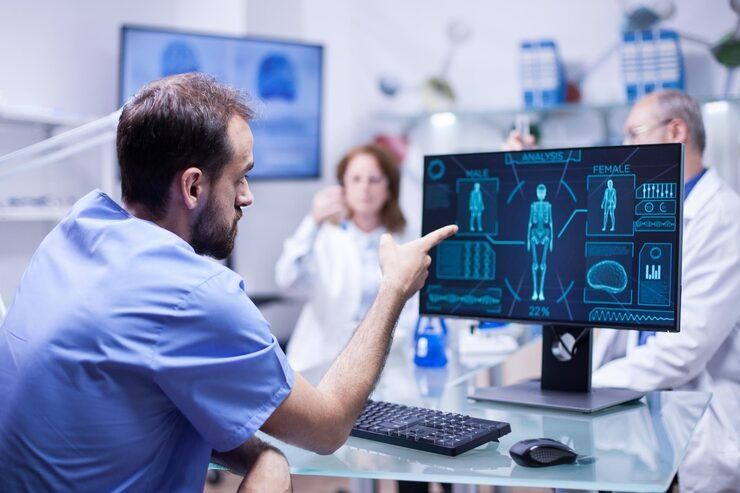
Medical imaging technology refers to the use of specialized equipment and software to create visual representations of the inside of the human body for clinical diagnosis, treatment planning, and disease monitoring. These technologies allow healthcare professionals to detect abnormalities, assess organ function, and guide medical procedures without invasive surgery. Medical imaging plays a central role in modern healthcare, supporting accurate and timely medical decision-making.
Medical imaging exists to improve diagnostic accuracy, reduce invasive procedures, and support early disease detection. As healthcare systems increasingly emphasize precision medicine and preventive care, imaging technologies continue to evolve through digital innovation and artificial intelligence.
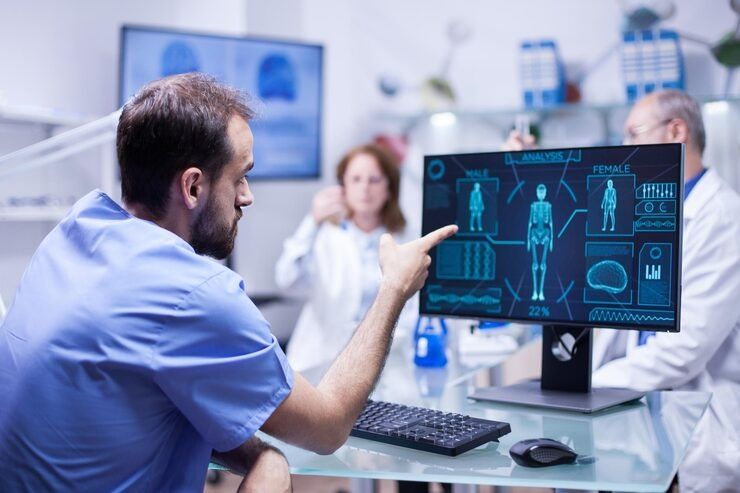
Context: What Medical Imaging Technology Is and Why It Exists
Historically, doctors relied mainly on physical examination and limited laboratory testing. Diagnosing internal conditions was difficult without surgical exploration. The development of imaging techniques transformed medicine by allowing non-invasive visualization of organs and tissues.
Medical imaging technology exists to:
-
Enable early and accurate diagnosis
-
Reduce the need for exploratory surgery
-
Support treatment planning
-
Monitor disease progression
-
Improve patient outcomes
Modern imaging systems integrate hardware, software, and data analytics for enhanced clinical performance.
Importance: Why Medical Imaging Matters Today
Medical imaging plays a central role in modern diagnostics and healthcare management.
Key Reasons Medical Imaging Is Important
1. Early Disease Detection
Identifies conditions before symptoms become severe.
2. Accurate Treatment Planning
Supports personalized medical interventions.
3. Reduced Patient Risk
Minimizes invasive diagnostic procedures.
4. Improved Clinical Efficiency
Speeds up diagnosis and decision-making.
5. Support for Preventive Care
Helps detect health risks early.
This topic is relevant to radiologists, clinicians, hospital administrators, biomedical engineers, policymakers, and healthcare technology providers.
Recent Updates: Medical Imaging Trends (2024–2025)
Imaging technology continues to advance through digitalization and artificial intelligence.
AI-Assisted Image Analysis
Improves detection accuracy and reduces diagnostic errors.
Portable Imaging Devices
Supports bedside and emergency diagnostics.
Low-Dose Imaging Systems
Reduces radiation exposure.
Cloud-Based Image Storage
Enables remote access and tele-radiology.
3D & 4D Imaging Technologies
Provides detailed anatomical visualization.
Laws & Policies Affecting Medical Imaging Systems
Medical imaging equipment operates under strict regulatory frameworks.
Key considerations include:
-
Medical device approval regulations
-
Radiation safety standards
-
Patient data protection laws
-
Quality assurance requirements
-
Equipment licensing and certification rules
Compliance ensures patient safety and diagnostic reliability.
Types of Medical Imaging Technologies
Medical imaging systems are categorized by imaging method.
X-Ray Imaging
Uses radiation to visualize bones and dense tissues.
Computed Tomography (CT)
Creates detailed cross-sectional images.
Magnetic Resonance Imaging (MRI)
Uses magnetic fields for soft tissue imaging.
Ultrasound Imaging
Uses sound waves for real-time imaging.
Nuclear Medicine (PET & SPECT)
Tracks metabolic activity using radioactive tracers.
Mammography
Specialized imaging for breast health screening.
Applications of Medical Imaging
Medical imaging supports diagnosis and treatment across specialties.
Cardiology
Evaluates heart structure and blood flow.
Neurology
Detects brain disorders and injuries.
Oncology
Identifies and monitors tumors.
Orthopedics
Assesses bone and joint conditions.
Obstetrics & Gynecology
Monitors fetal development.
Emergency Medicine
Supports trauma assessment.
Table: Common Medical Imaging Systems and Uses
| Imaging Type | Technology Used | Primary Application |
|---|---|---|
| X-Ray | Radiation | Bone fractures |
| CT Scan | X-Ray + Computer | Organ imaging |
| MRI | Magnetic fields | Soft tissue analysis |
| Ultrasound | Sound waves | Pregnancy imaging |
| PET Scan | Radioisotopes | Cancer detection |
Benefits of Modern Medical Imaging Technology
High Diagnostic Accuracy
Improves clinical confidence.
Non-Invasive Procedures
Reduces patient discomfort.
Fast Results
Speeds up treatment decisions.
Digital Integration
Supports electronic medical records.
Remote Consultation Support
Enables telemedicine services.
Challenges & Considerations
Despite technological advances, imaging systems present challenges.
-
High equipment and maintenance costs
-
Radiation exposure concerns
-
Skilled operator requirements
-
Infrastructure and space needs
-
Data storage and security issues
Effective management helps overcome these barriers.
How to Choose Medical Imaging Equipment
Assess Clinical Needs
Match equipment to specialty requirements.
Verify Regulatory Approval
Ensure certified systems.
Evaluate Image Quality
Check resolution and sensitivity.
Consider Workflow Integration
Compatibility with hospital IT systems.
Review Service Support
Maintenance and upgrade availability.
Frequently Asked Questions
Is medical imaging safe?
Yes, when used appropriately and following safety standards.
Which imaging method is best?
It depends on the medical condition being evaluated.
Do imaging devices require calibration?
Yes, regular calibration ensures accuracy.
Can imaging be used for screening?
Yes, for early disease detection.
Is AI replacing radiologists?
No, AI supports, not replaces, professionals.
Conclusion
Medical imaging technology is a cornerstone of modern diagnostics, enabling healthcare professionals to visualize internal structures safely and accurately. From early disease detection to treatment monitoring, imaging systems improve patient outcomes and clinical efficiency.
Understanding imaging types, applications, regulatory standards, benefits, and selection criteria helps healthcare organizations optimize diagnostic services. As innovation continues, medical imaging will remain central to precision medicine, digital healthcare, and advanced patient care.