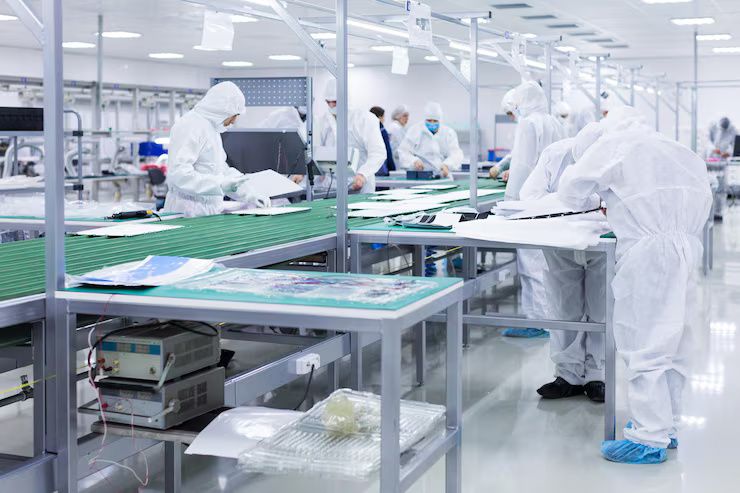
Medical textile manufacturing is the industrial process of producing specialized fabrics and textile-based products used in healthcare, hygiene, and medical treatment. These textiles are designed to meet strict standards of safety, comfort, durability, and biocompatibility. They are widely used in hospitals, clinics, laboratories, and home healthcare environments.
Medical textiles include products such as surgical gowns, face masks, wound dressings, bandages, implants, bedding, and protective clothing. Manufacturing these materials requires advanced textile engineering, controlled environments, and compliance with healthcare regulations. As global healthcare systems expand, medical textile manufacturing plays an increasingly important role in patient care and infection control.
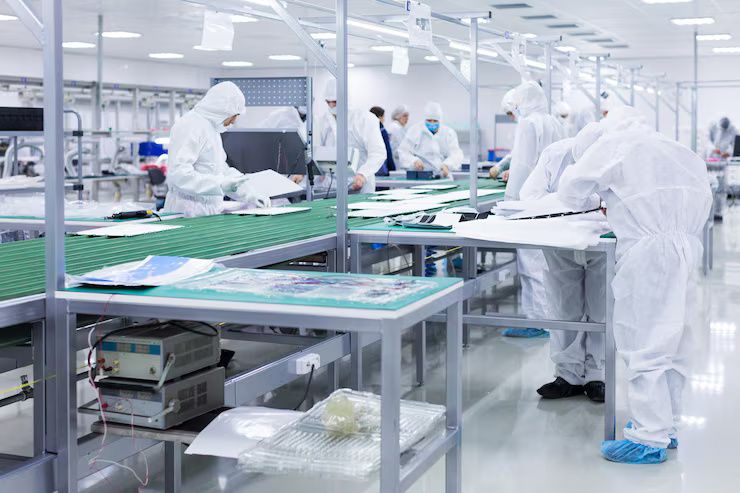
Context: What Medical Textile Manufacturing Is and Why It Exists
Traditional textiles were primarily designed for clothing and household use. However, healthcare environments require fabrics with special properties such as sterility, fluid resistance, breathability, and antimicrobial performance.
Medical textile manufacturing exists to:
-
Support infection prevention and control
-
Improve patient comfort and safety
-
Enable sterile medical procedures
-
Protect healthcare workers
-
Support advanced medical treatments
With the rise of modern medicine, hospitals and healthcare facilities began demanding textiles that could withstand frequent washing, sterilization, and chemical exposure. This led to the development of a specialized medical textile industry
Importance: Why Medical Textile Manufacturing Matters Today
Medical textiles are essential for maintaining hygiene, safety, and efficiency in healthcare systems.
Key Reasons Medical Textile Manufacturing Is Important
1. Infection Control
Helps reduce the spread of bacteria and viruses.
2. Patient Comfort and Recovery
Soft, breathable fabrics improve healing conditions.
3. Healthcare Worker Protection
Protective garments reduce exposure risks.
4. Support for Medical Procedures
Sterile textiles enable safe surgeries and treatments.
5. Public Health Preparedness
Supports emergency and pandemic response.
This topic is relevant to healthcare providers, textile manufacturers, hospital procurement teams, quality inspectors, regulators, and medical suppliers.
Recent Updates: Medical Textile Industry Trends (2024–2025)
Medical textile manufacturing continues to evolve with innovation and sustainability goals.
1. Antimicrobial Fabric Development
Improved resistance to bacteria and fungi.
2. Smart Medical Textiles
Integration of sensors for patient monitoring.
3. Eco-Friendly Materials
Use of biodegradable and recycled fibers.
4. Advanced Nonwoven Technologies
Improved filtration and barrier performance.
5. Digital Quality Control Systems
Automated defect detection and testing.
6. Local Manufacturing Expansion
Reduced dependence on imports.
Laws & Policies Affecting Medical Textile Manufacturing
Medical textile production is regulated under healthcare, textile, and safety standards.
Key considerations include:
-
Medical device and textile safety regulations
-
Quality management system standards
-
Biocompatibility testing requirements
-
Environmental compliance laws
-
Worker safety regulations
Compliance ensures patient safety and market approval.
Types of Medical Textiles
Medical textiles are classified based on their application and structure.
Non-Implantable Textiles
Bandages, wound dressings, gauze, and compression wraps.
Implantable Textiles
Surgical sutures, vascular grafts, and mesh implants.
Healthcare and Hygiene Textiles
Bed linens, curtains, mattresses, and uniforms.
Protective Medical Textiles
Masks, gowns, caps, and shoe covers.
Extracorporeal Devices
Artificial kidneys, lungs, and filtration units.
Smart and Wearable Textiles
Monitoring garments and therapeutic fabrics.
Medical Textile Manufacturing Process
Medical textile production involves controlled and standardized steps.
-
Fiber selection and sourcing
-
Yarn production and spinning
-
Fabric formation (weaving, knitting, nonwoven)
-
Chemical treatment and coating
-
Antimicrobial and barrier finishing
-
Sterilization and contamination control
-
Cutting and stitching
-
Quality testing and inspection
-
Packaging in sterile conditions
-
Distribution and logistics
Each stage ensures safety, durability, and regulatory compliance.
Machinery Used in Medical Textile Manufacturing
Specialized equipment is required to meet healthcare standards.
Spinning and Yarn Machines
Produce medical-grade yarns.
Weaving and Knitting Machines
Create structured fabrics.
Nonwoven Production Lines
Manufacture masks and disposable products.
Coating and Laminating Units
Apply protective layers.
Sterilization Systems
Ensure microbial safety.
Testing and Inspection Equipment
Verify performance standards.
Automated Cutting and Sewing Machines
Ensure precision manufacturing.
Materials Used in Medical Textiles
Material selection directly affects safety and performance.
Cotton
Used in bandages and dressings.
Polyester and Polypropylene
Used in gowns and masks.
Viscose and Rayon
Used in absorbent products.
Silicone and Elastomers
Used in implantable devices.
Silver and Antimicrobial Additives
Provide microbial resistance.
Biodegradable Polymers
Support sustainability goals.
Table: Medical Textile Types and Healthcare Applications
| Textile Category | Primary Material | Common Application |
|---|---|---|
| Wound Dressings | Cotton, Viscose | Injury treatment |
| Surgical Gowns | Polyester, PP | Operation theaters |
| Face Masks | Nonwoven PP | Infection control |
| Implants | Silicone, Polyester | Surgical repair |
| Hospital Bedding | Cotton blends | Patient comfort |
Healthcare Applications of Medical Textiles
Medical textiles are used throughout healthcare systems.
1. Hospitals and Clinics
Patient care, surgeries, and hygiene management.
2. Home Healthcare
Wound care and protective products.
3. Emergency Services
Disaster and pandemic response equipment.
4. Rehabilitation Centers
Support garments and therapy textiles.
5. Pharmaceutical and Research Labs
Cleanroom clothing and safety gear.
Benefits of Modern Medical Textile Manufacturing
Improved Hygiene Standards
Reduces hospital-acquired infections.
Enhanced Patient Comfort
Soft and breathable fabrics.
Durability and Reusability
Supports long-term use.
Cost Efficiency
Optimized mass production.
Customization Capability
Tailored products for medical needs.
Challenges & Considerations
Medical textile manufacturers face several challenges.
-
High certification and compliance costs
-
Strict contamination control
-
Raw material price fluctuations
-
Technology upgrade requirements
-
Waste management issues
Effective planning helps manage these challenges.
How to Choose a Medical Textile Manufacturer
Verify Regulatory Certifications
Ensure compliance with medical standards.
Evaluate Production Capacity
Match output with demand.
Assess Quality Testing Systems
Review inspection procedures.
Review Material Traceability
Ensure source transparency.
Check Supply Reliability
Confirm timely delivery support.
Maintenance & Quality Best Practices
-
Regular equipment sanitization
-
Calibration of testing instruments
-
Cleanroom maintenance
-
Staff hygiene training
-
Continuous quality audits
-
Documentation management
Quality systems ensure long-term reliability.
Frequently Asked Questions
1. What are medical textiles used for?
They are used for wound care, protection, hygiene, and surgical procedures.
2. Are medical textiles reusable?
Some are reusable, while others are disposable.
3. Do medical textiles require sterilization?
Yes, especially for surgical and implantable products.
4. Are medical textiles environmentally friendly?
Many manufacturers now use biodegradable materials.
5. How long do medical textiles last?
Depends on material, usage, and maintenance.
Conclusion
Medical textile manufacturing is a critical part of modern healthcare infrastructure, supporting hygiene, patient safety, and medical treatment. Through advanced production processes, specialized materials, and strict regulatory compliance, manufacturers deliver reliable and high-performance textile products for medical use.
Understanding manufacturing processes, materials, applications, regulations, and quality practices helps healthcare providers and industry stakeholders make informed decisions. As healthcare demand continues to grow, medical textile manufacturing will remain essential for building safe, efficient, and sustainable medical systems worldwide.