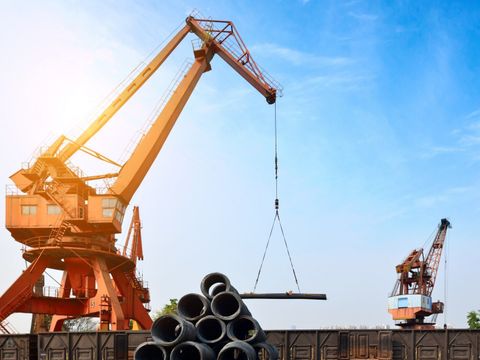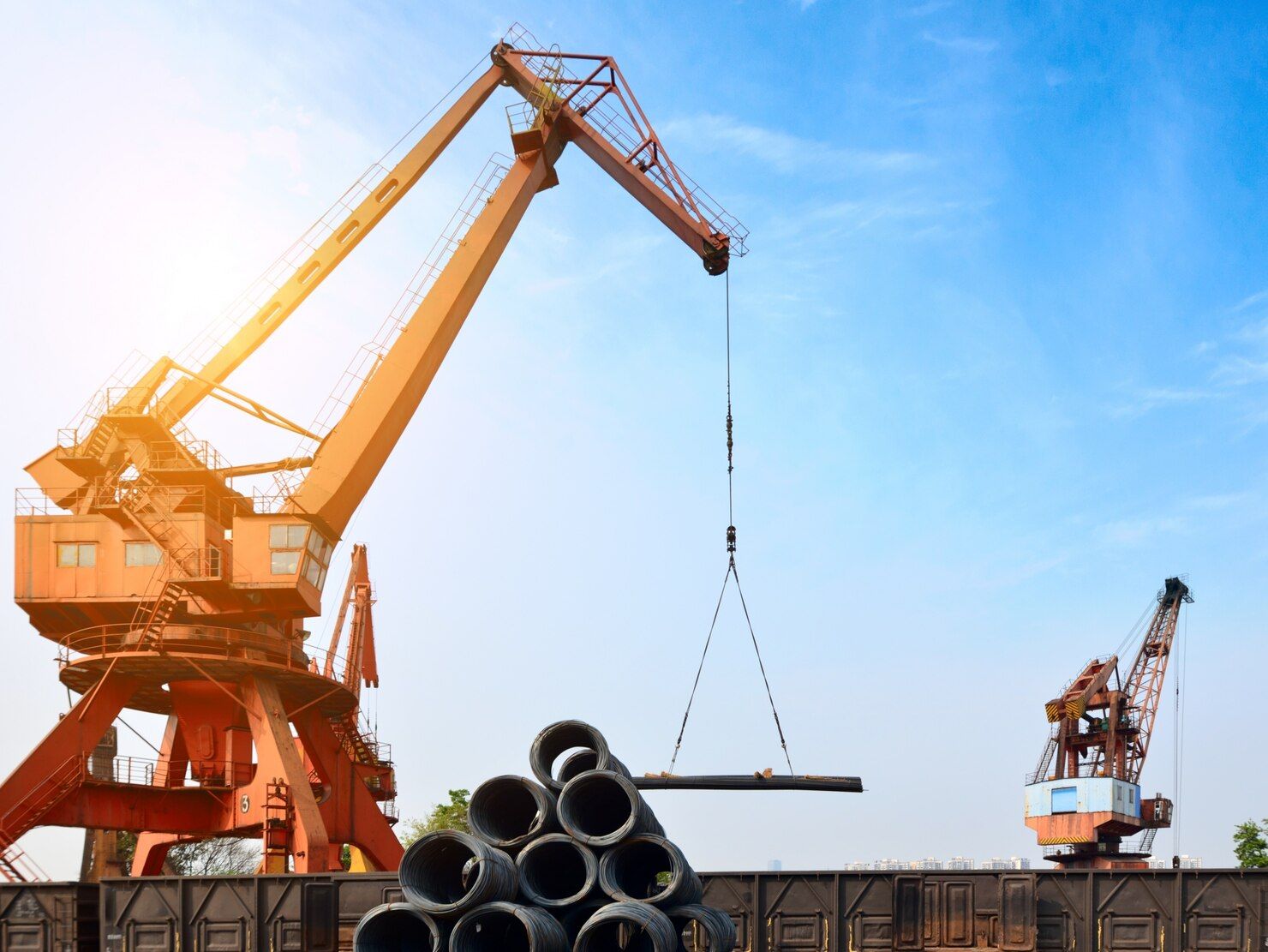
Mobile cranes are heavy lifting machines designed to move large and heavy materials in construction, infrastructure, and industrial environments. Unlike fixed cranes that remain installed at one location, mobile cranes are mounted on wheeled or tracked carriers so they can travel between job sites.
The concept of mobile lifting equipment developed as construction projects became larger and more complex. Moving heavy structural components such as steel beams, concrete panels, and industrial equipment required machines capable of lifting safely while also being flexible enough to relocate quickly.
Mobile cranes solve this challenge by combining mobility with powerful lifting systems. A typical mobile crane consists of several major components:
| Component | Function |
|---|---|
| Boom | Long arm used to lift and move loads |
| Hoist System | Uses cables and drums to raise materials |
| Outriggers | Stabilize the crane during lifting |
| Operator Cabin | Control area where the crane operator manages movement |
| Counterweights | Balance the crane to prevent tipping |
Mobile cranes can travel on roads, move around construction sites, and be deployed quickly compared to stationary cranes. Because of this flexibility, they are widely used in infrastructure projects, urban construction, energy facilities, and industrial installations.
Why Mobile Cranes Matter in Modern Infrastructure
Today’s construction and industrial sectors depend heavily on efficient lifting equipment. Mobile cranes play a major role in supporting infrastructure growth, particularly in urban areas where projects require both mobility and high lifting capacity.
Several industries rely on mobile cranes for daily operations:
- High-rise building construction
- Bridge installation and maintenance
- Power plant construction
- Wind turbine installation
- Port and logistics operations
- Oil and gas infrastructure projects
Large construction projects often involve materials weighing several tons. Transporting and placing these materials manually or with smaller machines would be extremely inefficient and unsafe.
Mobile cranes help solve key engineering challenges:
• Safe lifting of heavy structural components
• Precise positioning of materials in tight spaces
• Rapid equipment deployment across multiple sites
• Efficient workflow in large construction zones
In addition, mobile cranes support infrastructure expansion in developing economies where rapid construction requires flexible machinery capable of adapting to different site conditions.
The global construction sector has also expanded significantly in the last decade, increasing demand for advanced lifting equipment with improved stability, digital controls, and higher lifting capacities.
Recent Trends and Developments in Mobile Crane Technology
Over the past year, several technological and industry trends have influenced how mobile cranes are designed and used.
One major development is the integration of digital monitoring systems. Many modern cranes now include sensors and onboard software that track load weight, boom angle, and stability in real time. These systems help operators maintain safe lifting conditions.
Another important trend is the adoption of hybrid and electric crane technology. In 2024 and 2025, several heavy equipment manufacturers introduced electric-powered mobile cranes designed to reduce emissions and energy consumption at construction sites.
Some recent industry developments include:
| Year | Development |
|---|---|
| 2024 | Increased adoption of telematics for crane monitoring |
| 2024 | Expansion of hybrid and electric crane prototypes |
| 2025 | AI-assisted load monitoring systems introduced |
| 2025 | Remote diagnostics for crane maintenance |
Automation has also begun influencing crane operation. Some new models include automated stability calculations and advanced control systems that assist operators during complex lifts.
Another trend is the growth of large infrastructure projects worldwide. Urban development programs, transportation upgrades, and renewable energy installations have increased demand for high-capacity mobile cranes capable of lifting heavy components such as wind turbine blades and bridge sections.
These trends suggest that mobile crane technology will continue evolving with improvements in safety systems, digital monitoring, and energy efficiency.
Regulations and Safety Policies Affecting Mobile Crane Operations
Because mobile cranes handle extremely heavy loads, governments and regulatory bodies have established strict safety standards governing their use.
In many countries, crane operation is regulated through occupational safety and construction laws that focus on equipment inspection, operator training, and safe lifting procedures.
Key safety policies commonly include:
• Load capacity limits and safety charts
• Mandatory crane inspection schedules
• Operator certification requirements
• Site safety planning before lifting operations
• Stability rules for outriggers and ground support
For example, many international construction standards are influenced by guidelines from organizations such as:
- ISO (International Organization for Standardization)
- OSHA safety frameworks
- National construction safety authorities
In India, infrastructure projects often follow safety practices aligned with guidelines from engineering institutions and construction safety authorities. These guidelines ensure cranes operate within safe lifting capacities and that operators receive proper training.
Safety regulations also emphasize planning before each lift. Engineers typically evaluate:
- Load weight
- Lift radius
- Ground stability
- Weather conditions
Following these safety frameworks helps reduce risks such as crane tipping, load dropping, or mechanical failure.
Useful Tools and Resources Related to Mobile Crane Operations
Modern construction planning frequently uses digital tools and engineering software to support safe crane operations. These tools help project managers calculate lifting capacity, plan crane positioning, and monitor safety conditions.
Some commonly used resources include:
Engineering Calculation Tools
- Load capacity calculators
- Lift planning software
- Structural load estimation tools
Construction Planning Platforms
- Project management software for infrastructure projects
- Equipment tracking systems
- Fleet management platforms
Safety and Monitoring Systems
- Crane telematics dashboards
- Real-time load sensors
- Stability monitoring systems
Below is an example of how crane planning tools assist engineers during lift preparation.
| Planning Factor | Tool or Resource |
|---|---|
| Load weight estimation | Engineering calculation software |
| Crane placement planning | Lift simulation tools |
| Site coordination | Construction management platforms |
| Equipment monitoring | Telematics dashboards |
These digital tools allow engineers to simulate lifting scenarios before actual operations begin. By analyzing load capacity and crane stability digitally, teams can reduce operational risks and improve project efficiency.
Frequently Asked Questions
What is a mobile crane used for?
Mobile cranes are used to lift and move heavy materials such as steel beams, machinery, concrete panels, and industrial equipment. They are commonly used in construction, infrastructure development, and industrial installation projects.
How is a mobile crane different from a tower crane?
A mobile crane is mounted on a wheeled or tracked carrier and can travel between locations. A tower crane is fixed to the ground or a structure and is typically used for high-rise building construction.
What determines the lifting capacity of a mobile crane?
Several factors determine lifting capacity, including the length of the boom, the angle of the lift, the weight of counterweights, and the distance between the crane and the load.
Why are outriggers important on mobile cranes?
Outriggers extend from the base of the crane and stabilize the machine during lifting operations. They help distribute weight evenly and reduce the risk of tipping.
Are mobile cranes used in renewable energy projects?
Yes. Mobile cranes are widely used in renewable energy construction, especially during the installation of wind turbines and large solar infrastructure components.
Conclusion
Mobile cranes are essential machines that support modern construction, infrastructure development, and industrial projects. Their ability to move between locations while lifting heavy loads makes them one of the most versatile pieces of equipment in the engineering and construction industries.
As infrastructure projects grow in scale and complexity, the role of mobile cranes continues to expand. Advances in digital monitoring systems, hybrid power technology, and automated safety tools are improving both performance and operational safety.
At the same time, regulations and safety standards ensure that crane operations follow strict engineering guidelines designed to protect workers and equipment.
With ongoing innovation in construction technology and increasing demand for large-scale infrastructure development, mobile cranes will remain a critical component of modern engineering projects worldwide.