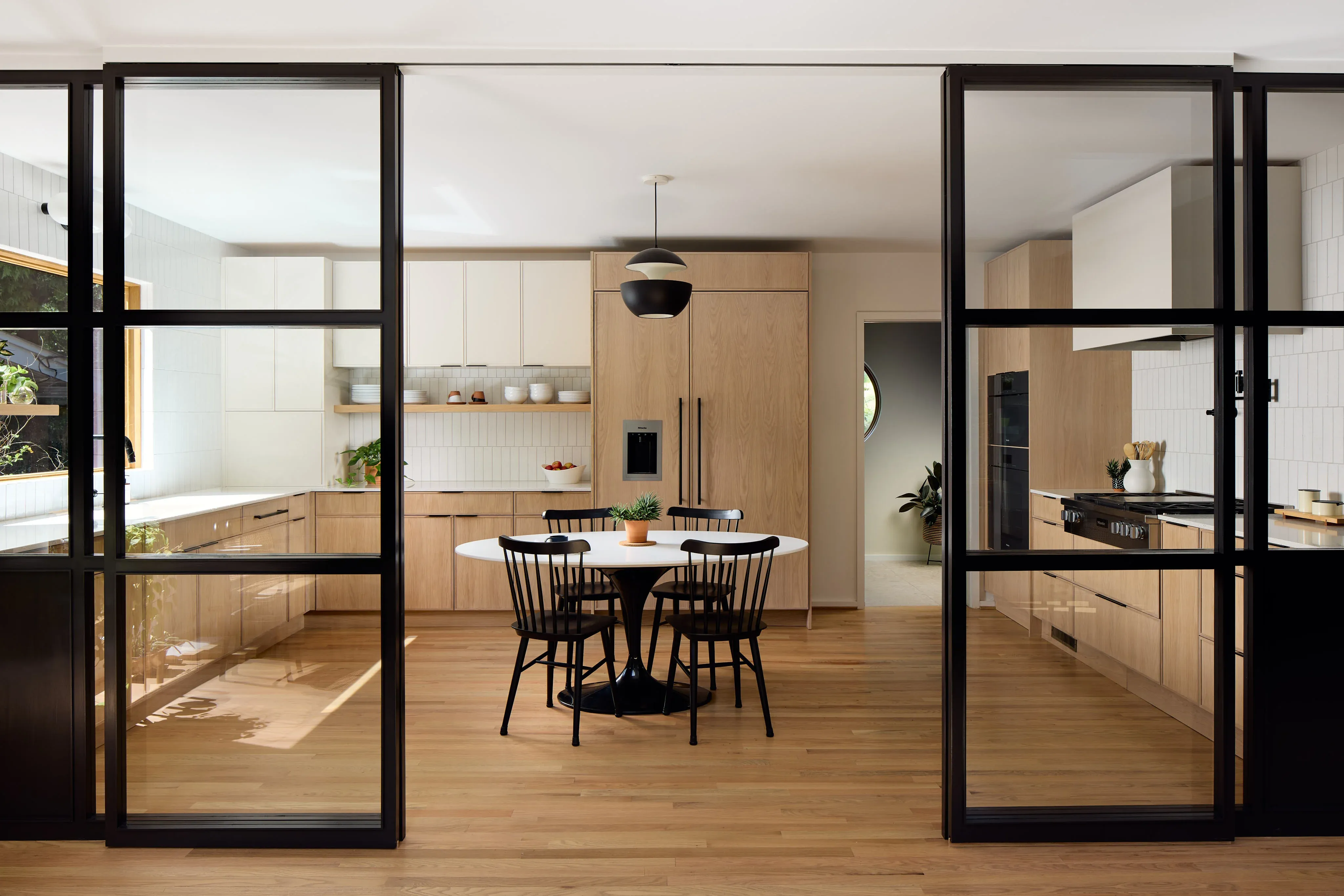
Modular glass partition furniture refers to flexible interior structures made using glass panels combined with modular framing systems. These partitions are designed to divide spaces while maintaining openness, light flow, and visual continuity. Unlike traditional walls, they can be adjusted, reconfigured, or relocated depending on changing needs.
This concept emerged as workspaces and homes began shifting toward adaptable layouts. Offices required collaborative environments, while residential spaces needed multifunctional zones. Glass partitions became a practical solution because they offer separation without completely blocking visibility or natural light.
Common materials used in modular glass partitions include tempered glass, laminated safety glass, aluminum frames, and acoustic seals. These systems can be fixed, sliding, or demountable, allowing flexibility in design and usage.
Key components often include:
- Glass panels (clear, frosted, or tinted)
- Modular aluminum or steel frames
- Acoustic insulation layers
- Sliding or hinged door systems
Why Modular Glass Partition Furniture Matters
Modern interior design increasingly focuses on efficiency, sustainability, and adaptability. Modular glass partitions align with these goals by offering solutions to common spatial challenges.
They are widely used in:
- Corporate offices
- Co-working spaces
- Residential interiors
- Educational institutions
- Healthcare environments
One of the main advantages is space optimization. In urban environments where space is limited, these partitions help create functional zones without permanent construction.
Another important factor is natural light management. Glass partitions allow daylight to travel across rooms, reducing dependence on artificial lighting. This supports energy efficiency and contributes to better indoor environments.
They also address acoustic control. Advanced designs include soundproof glass partitions that reduce noise levels, which is especially useful in office meeting rooms or shared workspaces.
Key benefits include:
- Improved space utilization
- Enhanced natural lighting
- Flexible interior design
- Better visual connectivity
- Acoustic performance options
Recent Developments and Trends
In recent months, modular glass partition systems have evolved with new materials and technologies. There is a noticeable shift toward smarter and more sustainable designs.
One major trend is the use of smart glass technology. This allows glass panels to switch between transparent and opaque states using electrical signals. It helps maintain privacy without needing curtains or blinds.
Another development is the rise of acoustic glass systems. These are designed with multilayered structures to improve sound insulation, making them suitable for high-performance office environments.
Sustainability is also becoming a priority. Manufacturers are focusing on recyclable materials and low-emission production processes. Modular systems themselves contribute to sustainability because they can be reused and reconfigured instead of being demolished.
Emerging trends include:
- Smart glass integration for privacy control
- Frameless glass partition designs
- Lightweight modular systems
- Improved acoustic insulation technologies
- Eco-friendly material usage
Regulations and Policy Considerations
Modular glass partition furniture is influenced by building codes, safety standards, and environmental regulations. These rules vary by country but generally focus on safety, durability, and fire resistance.
In many regions, glass used in partitions must meet safety standards such as tempered or laminated glass requirements. These types of glass are designed to minimize injury risks if broken.
Fire safety is another important aspect. Certain partitions must comply with fire-rated standards, especially in commercial buildings. This ensures that the materials can withstand high temperatures for a specified duration.
Accessibility guidelines also play a role. Partition designs should allow easy movement and comply with accessibility standards, ensuring inclusivity in public and work environments.
Key regulatory considerations include:
- Safety glass compliance (tempered or laminated)
- Fire resistance ratings
- Structural stability standards
- Accessibility requirements
- Environmental and sustainability guidelines
Tools and Resources for Planning and Design
Designing modular glass partition systems involves careful planning. Several tools and resources can help professionals and individuals make informed decisions.
Common tools used in this field include:
- Space planning software for layout visualization
- CAD (Computer-Aided Design) tools for detailed modeling
- Acoustic calculators to estimate sound insulation levels
- Lighting simulation tools to analyze natural light flow
- Material selection guides for durability and performance
Below is a simple comparison table of partition types:
| Partition Type | Key Feature | Suitable Use Case | Acoustic Level |
|---|---|---|---|
| Frameless Glass | Minimal design | Modern offices | Moderate |
| Double Glazed | Enhanced sound insulation | Meeting rooms | High |
| Sliding Glass | Space-saving functionality | Small spaces | Moderate |
| Frosted Glass | Privacy with light flow | Residential areas | Low to Medium |
| Smart Glass | Adjustable transparency | Conference rooms | Moderate |
Graphical representation of benefits distribution:
- Space Efficiency: ██████████
- Natural Light Flow: █████████
- Flexibility: ██████████
- Acoustic Control: ███████
- Aesthetic Appeal: █████████
These tools and comparisons help in selecting the right system based on functional and design requirements.
Frequently Asked Questions
What is the difference between modular and traditional partitions?
Modular partitions are flexible and can be reconfigured or relocated. Traditional partitions are fixed and require permanent construction.
Are glass partitions strong and safe?
Yes, they are typically made from tempered or laminated safety glass, which is designed to withstand impact and reduce injury risks.
Do glass partitions provide sound insulation?
Acoustic performance depends on the type. Double-glazed or laminated glass partitions offer better sound insulation compared to single-pane systems.
Can modular glass partitions be used in homes?
Yes, they are increasingly used in residential interiors to create separate zones without blocking light or making spaces feel smaller.
How do smart glass partitions work?
Smart glass uses electrical signals to change its transparency, allowing users to switch between clear and opaque states for privacy control.
Conclusion
Modular glass partition furniture represents a modern approach to interior design that balances functionality, aesthetics, and flexibility. It addresses the evolving needs of both commercial and residential spaces by offering adaptable layouts and efficient use of available areas.
With advancements in materials, acoustic performance, and smart technologies, these systems continue to evolve. They also align with sustainability goals by reducing waste and enabling reuse.
Understanding the basics, benefits, and considerations of modular glass partitions helps individuals and organizations make informed decisions when planning interior spaces.