Multi-purpose sofa units are furniture systems designed to perform more than one function within a living space. Depending on their construction, they may combine everyday seating with sleeping arrangements, hidden storage, adjustable backrests, modular sections, or flexible layouts.
These furniture designs are particularly relevant in apartments, studios, guest rooms, shared living spaces, and homes where available floor area needs to support several activities. A single furniture arrangement may serve as a seating area during the day and provide an additional sleeping surface or storage space when needed.
Multi-purpose sofa units range from simple sofa beds to more complex modular systems with movable sections and integrated compartments. Their usefulness depends on room dimensions, construction quality, comfort, ease of conversion, and the needs of the people using them.
Understanding Multi-Purpose Sofa Designs
A multi-purpose sofa is defined by its ability to support different functions without requiring several separate furniture pieces.
Some designs use mechanical components to change their configuration, while others rely on removable cushions, movable modules, or built-in compartments.
Common types include:
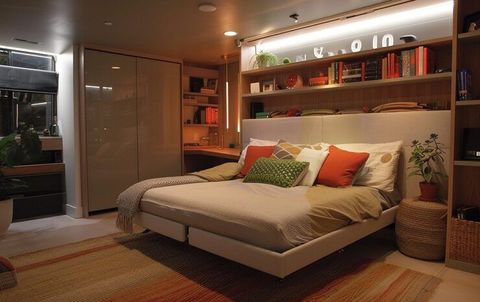
Convertible sofa beds: Transform from a seating arrangement into a sleeping surface.
Storage sofas: Include compartments beneath the seat or within the frame.
Modular sofa units: Consist of sections that can be rearranged to suit different layouts.
Reclining sofas: Allow users to adjust the backrest and footrest.
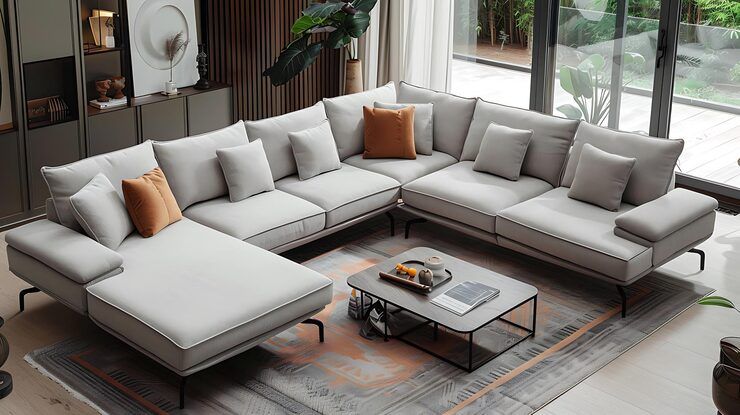
Sectional sofa systems: Combine several seating sections into an L-shaped, U-shaped, or linear arrangement.
Daybeds: Function as seating and provide a surface for resting or sleeping.
Adjustable sofa units: Incorporate movable headrests, backrests, or other components.
The appropriate design depends on whether the primary requirement is sleeping space, storage, flexible seating, relaxation, or a combination of these functions.
Materials and Construction
The durability of a multi-purpose sofa depends on its frame, upholstery, cushioning, joints, and moving mechanisms.
Common frame materials include solid wood, engineered wood, metal, and combinations of different materials. Upholstery options include woven fabrics, microfiber, leather, and synthetic leather.
Foam density, spring construction, cushion support, and upholstery characteristics influence comfort and long-term performance. For convertible designs, the quality of hinges, locking mechanisms, sliding components, and support frames also matters.
A furniture specification should identify the materials used and explain any maintenance requirements associated with them.
Understanding Different Sofa Configurations
| Sofa Type | Main Function | Important Consideration |
|---|---|---|
| Sofa bed | Seating and sleeping | Mattress thickness and conversion mechanism |
| Storage sofa | Seating and storage | Compartment capacity and lifting mechanism |
| Modular sofa | Flexible seating layouts | Connection strength and module dimensions |
| Reclining sofa | Adjustable seating | Clearance behind and in front of the sofa |
| Sectional sofa | Multiple seating positions | Overall footprint and room circulation |
| Daybed | Seating and resting | Mattress dimensions and back support |
Why Multi-Purpose Sofa Units Matter
Multi-purpose furniture addresses practical challenges associated with limited space, changing household needs, and flexible room arrangements.
Efficient Use of Living Space
In smaller homes, separate furniture pieces for seating, sleeping, and storage can reduce the amount of usable floor area.
A convertible sofa may provide a sleeping surface without requiring a permanent bed in the same room. A storage sofa can accommodate blankets, cushions, or other household items while maintaining a conventional seating arrangement.
However, the space saved depends on the furniture's dimensions and the clearance required to use its additional functions.
Flexible Rooms
Modern homes often contain rooms used for several purposes. A guest room may also function as a home office, while a studio apartment may combine living, dining, and sleeping areas.
Modular sofa systems allow seating arrangements to change as requirements evolve. Removable sections can sometimes create separate seats, a longer lounging surface, or a configuration suited to a different room layout.
Comfort and Ergonomics
A sofa intended for extended sitting should provide suitable seat depth, back support, cushioning, and seat height for its intended users.
Convertible designs require additional consideration because a surface that works well for sitting may not provide adequate support for sleeping.
Important factors include:
Seat depth and height
Backrest angle
Cushion firmness
Sleeping-surface dimensions
Ease of opening and closing
Stability during use
Accessibility of storage compartments
Testing the furniture in its different configurations can help identify limitations before it becomes part of a regular living arrangement.
Practical Household Organization
Integrated storage can help organize bedding, seasonal textiles, remote controls, and other everyday items. The effectiveness of this feature depends on compartment size, access, ventilation, and the weight of stored objects.
Storage mechanisms should operate smoothly and remain stable when opened. Heavy lifting components may require additional care, particularly in households with children or people who have limited mobility.
Recent Developments and Furniture Design Trends
During 2025 and 2026, furniture design discussions have continued to emphasize flexible interiors, modular layouts, adaptable living spaces, and more thoughtful material selection.
Flexible and Modular Living Spaces
Modular furniture remains relevant as households seek layouts that can adapt to different activities. Individual sofa sections can allow users to change seating arrangements without replacing the entire furniture system.
Current design approaches also emphasize coordinating furniture dimensions with room layouts, walking paths, and other household activities.
Integrated Storage and Convertible Features
Storage compartments, adjustable headrests, reclining sections, and sofa-bed mechanisms illustrate how manufacturers combine several functions within one furniture structure.
These features can increase practical flexibility, but they also introduce additional mechanical components that require inspection and maintenance.
Material Transparency and Durability
Furniture buyers and designers increasingly examine upholstery composition, frame materials, product lifespan, repairability, and environmental information.
Durability is especially relevant for multi-purpose units because repeated conversion can place additional stress on hinges, joints, sliders, and support structures.
Environmental claims should be evaluated through specific evidence, such as documented material composition, recognized certifications, or clearly explained manufacturing information.
Because product designs and availability vary, recent furniture trends should not be interpreted as proof that every multi-purpose sofa includes the same features or environmental benefits.
Laws, Policies, and Furniture Safety Standards
Furniture regulations depend on the country where a product is manufactured, distributed, and used. Multi-purpose sofa units may be subject to requirements concerning fire safety, chemical substances, product labeling, mechanical stability, and consumer protection.
United States Requirements
In the United States, upholstered furniture can be affected by federal and state requirements concerning flammability and chemical safety.
The Consumer Product Safety Commission administers federal consumer product requirements, including rules relevant to upholstered furniture and certain chemical substances.
Manufacturers and importers should determine which requirements apply to the exact product type, materials, and intended use. Requirements for mattresses or other sleeping products may differ from those for conventional upholstered seating.
European Union Requirements
In the European Union, furniture products must comply with applicable product-safety and chemical regulations.
The EU General Product Safety Regulation, applicable from December 13, 2024, establishes a general framework for consumer product safety. REACH requirements can also apply to chemical substances used in upholstery, coatings, and other furniture components.
Specific obligations depend on the product, its materials, and the relevant legal provisions.
Practical Safety Considerations
Regardless of location, users should examine:
Frame stability and load limits
Locking mechanisms on convertible sections
Pinch points in folding components
Mattress and cushion support
Flammability information where applicable
Cleaning and maintenance instructions
Assembly requirements
Manufacturer safety notices
These checks are particularly important when furniture is used daily for both seating and sleeping.
Tools and Resources for Sofa Planning
Digital planning tools and product documentation can help determine whether a multi-purpose sofa suits a particular room.
Room Measurement and Layout Tools
Room-planning applications can help users map room dimensions, doors, windows, walkways, and furniture placement.
Before selecting a configuration, record:
Room length and width
Doorway and corridor widths
Sofa width, depth, and height
Clearance needed for conversion
Distance from nearby furniture
Electrical outlets and heating equipment
For a sofa bed, measure the room with the sleeping surface fully extended rather than relying only on the closed dimensions.
Product Specifications
Manufacturer documentation can provide frame materials, upholstery details, maximum load limits, assembly instructions, cleaning guidance, and dimensions.
For modular units, confirm the dimensions of each section and the compatibility of connection hardware.
Furniture Maintenance Checklist
| Component | Maintenance Consideration |
|---|---|
| Frame | Check stability and loose joints |
| Upholstery | Follow material-specific cleaning instructions |
| Cushions | Rotate or reposition where appropriate |
| Hinges and sliders | Inspect for wear and obstruction |
| Storage mechanism | Check smooth operation and safe support |
| Modular connectors | Confirm sections remain securely attached |
Maintenance frequency depends on usage, construction, and manufacturer instructions.
Frequently Asked Questions
What is a multi-purpose sofa unit?
It is a furniture system designed to perform multiple functions, such as seating, sleeping, storage, or adjustable lounging. Its configuration depends on the design and included mechanisms.
Are sofa beds suitable for everyday sleeping?
Some sofa beds are designed for regular sleeping, while others are intended mainly for occasional use. Mattress support, sleeping-surface dimensions, frame stability, and comfort should be assessed for the intended frequency of use.
How can a multi-purpose sofa fit into a small room?
Measure the room and the furniture in every configuration. Allow enough space for walking, opening storage compartments, extending a sleeping surface, and accessing nearby doors or furniture.
Which materials are commonly used in multi-purpose sofas?
Common materials include solid wood, engineered wood, metal, foam, springs, woven fabrics, microfiber, leather, and synthetic leather. Durability and maintenance requirements vary according to the material and construction.
What safety features should be checked before using a convertible sofa?
Check frame stability, load limits, folding mechanisms, locking components, pinch points, and assembly instructions. Keep children away from moving components unless the design specifically provides suitable safeguards.
Conclusion
Multi-purpose sofa units combine seating with additional functions such as sleeping, storage, reclining, and flexible furniture arrangements. They can be useful in smaller homes and rooms that need to support different activities throughout the day.
Selecting a suitable design requires attention to room measurements, comfort, construction quality, material durability, conversion mechanisms, and safety requirements. Modular configurations can provide flexibility, while storage sofas and convertible beds address more specific household needs.
Recent design trends emphasize adaptable living spaces and practical furniture features, but the usefulness of any individual sofa depends on its construction and intended purpose. Reviewing product specifications, planning the room layout, and following maintenance instructions can help ensure that a multi-purpose sofa remains functional and appropriate for its living environment.