Deep sea mining technology refers to methods and systems used to extract minerals from the ocean floor, typically at depths below 200 meters. These minerals include polymetallic nodules, cobalt-rich crusts, and seafloor massive sulfides, which contain metals such as nickel, cobalt, copper, and rare earth elements. These materials are widely used in electronics, renewable energy systems, and battery production.
Ocean mining technology has developed as land-based mineral resources face increasing pressure from demand and environmental limits. Advances in robotics, sensing systems, and underwater engineering have made it possible to explore and access previously unreachable areas of the deep ocean. Autonomous underwater vehicles mining operations are a key part of this evolution, enabling remote and continuous exploration.
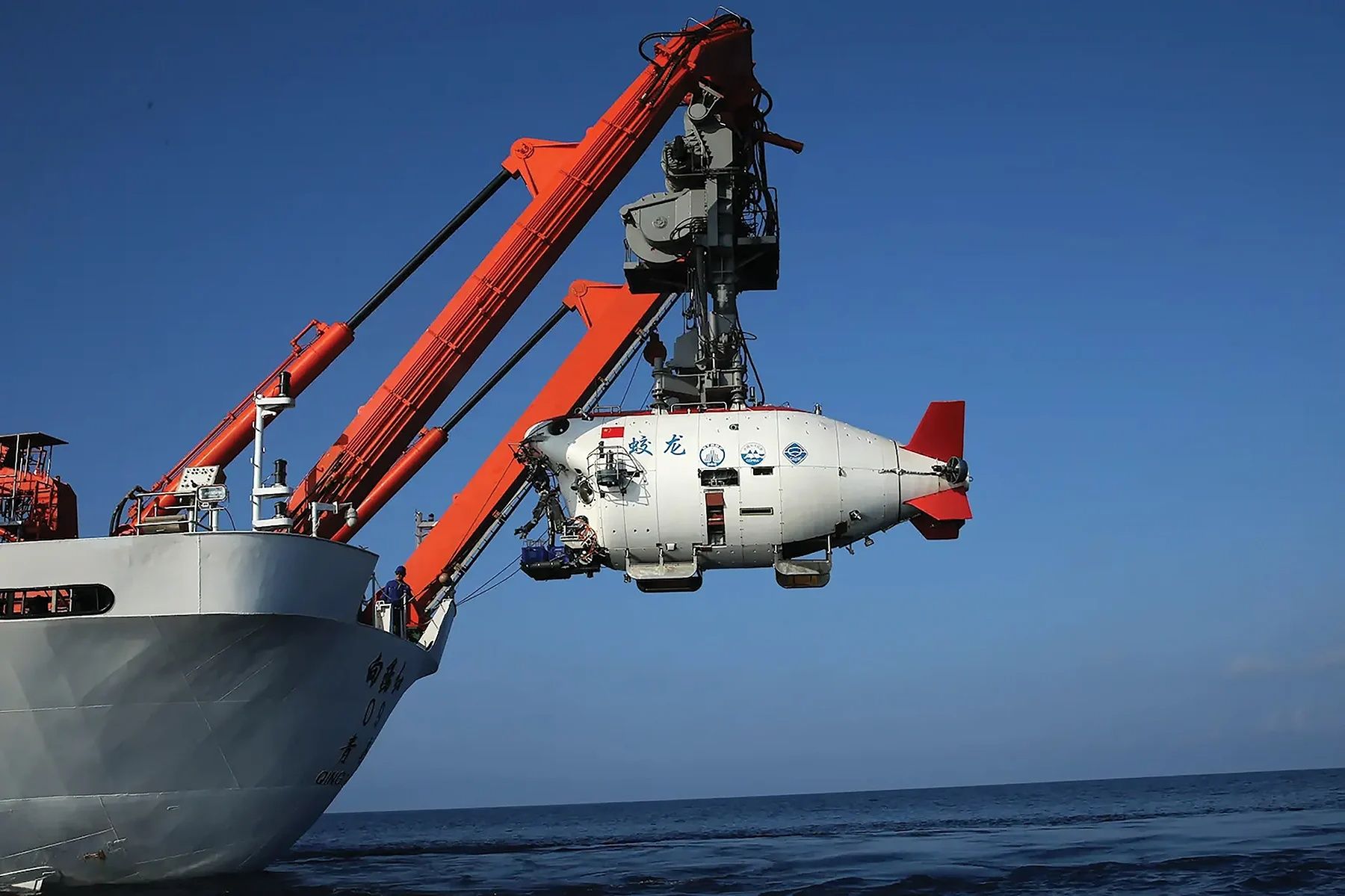
Deep ocean mining solutions rely on a combination of surface vessels, robotic collectors, and vertical transport systems. These technologies are designed to operate in extreme conditions such as high pressure, low temperature, and limited visibility. The field continues to evolve as researchers and engineers refine methods to improve efficiency and reduce environmental impact.
Importance
The growing interest in deep sea mining innovations is closely linked to global demand for critical minerals. These materials are essential for modern technologies such as electric vehicles, wind turbines, and energy storage systems. As countries transition toward low-carbon energy, the need for these resources has increased significantly.
Deep sea mining technology also affects global supply chains. Many mineral reserves on land are concentrated in specific regions, which can create geopolitical challenges. Ocean-based resources provide an alternative source that could diversify supply.
However, this topic also raises environmental and ethical concerns. The deep ocean is one of the least explored ecosystems on Earth, and its biodiversity is not fully understood. Mining activities may disturb habitats, release sediment plumes, and affect marine life. These risks make it important to carefully study and regulate deep ocean mining solutions.
From an everyday perspective, the outcomes of this industry can influence the availability and pricing of technologies such as smartphones, batteries, and renewable energy systems. It also contributes to discussions about sustainable resource use and environmental protection.
Recent Updates
Between 2024 and 2026, several developments have shaped the direction of ocean mining technology. Research institutions and private companies have continued testing prototype systems for mineral collection and processing on the seafloor.
One notable trend is the advancement of autonomous underwater vehicles mining systems. These vehicles are increasingly equipped with artificial intelligence, allowing them to navigate complex terrains, avoid obstacles, and collect data with minimal human intervention. Improvements in battery life and communication systems have also extended their operational range.
Another development is the growing focus on environmental monitoring. New sensor technologies are being integrated into mining equipment to track sediment dispersion, water quality, and marine life activity in real time. This data helps researchers understand potential impacts and refine mitigation strategies.
Some countries have also increased investment in deep sea mining innovations as part of broader resource strategies. At the same time, international discussions have intensified regarding the need for stricter environmental guidelines and oversight.
The table below summarizes key technological components used in modern deep sea mining systems:
| Component | Function | Example Role in Operations |
|---|---|---|
| Robotic collectors | Gather minerals from seabed | Scooping polymetallic nodules |
| Autonomous underwater vehicles | Map and monitor ocean floor | Surveying terrain and detecting resources |
| Riser and lifting systems | Transport materials to surface | Pumping slurry to support vessel |
| Surface support vessels | Control operations and process materials | Hosting control systems and storage units |
| Environmental sensors | Monitor ecosystem conditions | Measuring turbidity and water chemistry |
Laws or Policies
Deep sea mining technology is regulated at both international and national levels. The primary global authority is the International Seabed Authority, which was established under the United Nations Convention on the Law of the Sea. This organization is responsible for managing mineral resources in international waters, known as “the Area.”
The International Seabed Authority develops rules for exploration and potential exploitation activities. These rules include environmental standards, data reporting requirements, and operational guidelines. As of recent years, discussions have continued regarding a comprehensive mining code to regulate commercial extraction.
Individual countries also regulate activities within their own exclusive economic zones (EEZs). For example:
- Countries may require environmental impact assessments before approving projects.
- National laws can define how resources are managed and shared.
- Regulatory agencies oversee compliance with safety and environmental standards.
Some governments have taken a cautious approach, supporting further research before allowing large-scale operations. Others are actively exploring deep ocean mining solutions as part of their resource strategies.
Public and scientific input plays an important role in shaping these policies. Environmental organizations and marine researchers often contribute data and recommendations to inform decision-making.
Tools and Resources
A variety of tools and platforms support research and development in ocean mining technology. These resources help scientists, engineers, and policymakers understand the ocean environment and assess potential impacts.
Key tools include:
- Data mapping platforms such as GEBCO provide detailed maps of the ocean floor, helping identify potential mining sites.
- Ocean observation systems like NOAA databases offer environmental data, including temperature, currents, and marine biodiversity.
- Simulation software allows researchers to model sediment plumes and predict how mining activities might affect surrounding ecosystems.
- Remote sensing and sonar technologies are used to map seabed features and locate mineral deposits.
- Academic publications and open-access research repositories provide studies on deep sea mining innovations and environmental assessments.
These tools contribute to a more informed approach to developing deep ocean mining solutions. They also support transparency and collaboration among stakeholders.
FAQs
What is deep sea mining technology used for?
Deep sea mining technology is used to extract minerals such as nickel, cobalt, and copper from the ocean floor. These materials are commonly used in electronics, batteries, and renewable energy systems.
How do autonomous underwater vehicles mining systems work?
Autonomous underwater vehicles mining systems operate without direct human control. They use sensors, cameras, and navigation software to explore the seabed, collect data, and sometimes assist in mineral collection processes.
What are the environmental concerns of ocean mining technology?
Ocean mining technology may impact marine ecosystems by disturbing habitats, creating sediment plumes, and affecting water quality. Scientists are still studying these effects to better understand long-term consequences.
Are deep ocean mining solutions currently in use?
Deep ocean mining solutions are mostly in the testing and exploration phase. While some pilot projects have been conducted, large-scale commercial operations are still under regulatory review and development.
Why are deep sea mining innovations important for renewable energy?
Deep sea mining innovations help access minerals needed for batteries and clean energy systems. These resources support technologies such as electric vehicles and wind turbines, which are part of global energy transitions.
Conclusion
Deep sea mining technology represents a developing field that combines engineering, environmental science, and resource management. It aims to access critical minerals from the ocean floor while addressing growing global demand. Advances in autonomous underwater vehicles mining systems and environmental monitoring have improved the understanding of deep ocean environments. At the same time, regulatory frameworks and scientific research continue to shape how these activities may proceed. The balance between resource extraction and environmental protection remains a central consideration in this field.