Oil filtering machines are industrial systems designed to remove contaminants from oils used in machinery and industrial processes. These contaminants can include solid particles, moisture, oxidation byproducts, and sludge that accumulate during normal operation. Oil filtration exists because oils degrade over time and exposure, and contaminated oil can reduce equipment performance.
Historically, early machinery relied on frequent oil replacement to manage contamination. As industrial systems became larger and more complex, replacing oil frequently became inefficient and environmentally challenging. This led to the development of oil filtering machines that could clean oil and maintain acceptable quality for continued use.
Modern oil filtering machines are used across sectors such as manufacturing, power generation, hydraulics, metal processing, and transportation. They integrate filtration media, separation techniques, and controlled flow systems to support consistent oil cleanliness. The goal is not just to clean oil once, but to maintain oil quality within defined parameters over time.
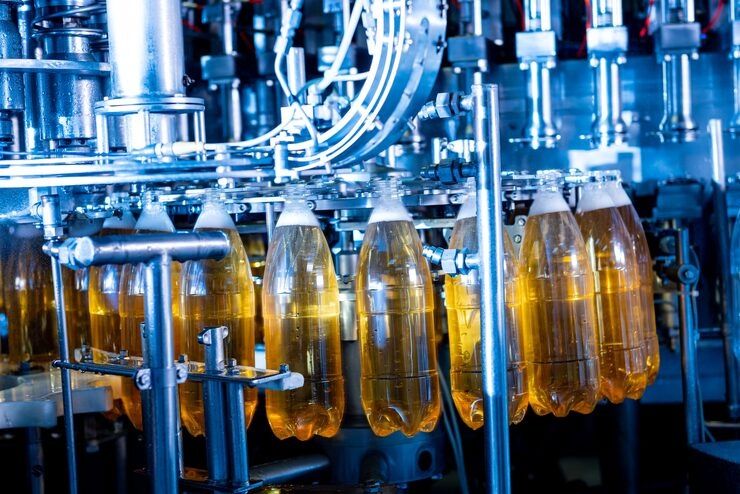
Importance: Why Clean Oil Processes Matter Today
Clean oil processes are critical because oil quality directly affects machinery reliability, energy efficiency, and operational safety. Even small levels of contamination can accelerate wear, increase friction, and lead to unexpected equipment failure.
Oil filtering machines matter today because they:
-
Help reduce equipment wear caused by particles and moisture
-
Support stable performance in hydraulic and lubrication systems
-
Improve predictability in industrial operations
-
Reduce waste associated with degraded oil
This topic affects plant operators, maintenance teams, engineers, and environmental managers. In industrial environments, contaminated oil can lead to overheating, pressure loss, and component damage. Clean oil processes address these problems by keeping contamination within acceptable limits.
As industries focus on efficiency and reliability, oil filtration has become an essential part of condition-based maintenance strategies rather than a reactive measure.
Recent Updates: Developments and Trends from the Past Year
During 2024 and early 2025, oil filtering technology continued to evolve alongside broader trends in industrial automation and sustainability. One key trend in early 2024 was increased integration of real-time monitoring. Sensors that track moisture content, particle counts, and oil condition became more common in filtration systems.
In mid-2024, there was growing attention on energy-efficient filtration methods. Discussions in industrial engineering forums emphasized optimizing flow rates and filter media to reduce pressure loss while maintaining filtration accuracy.
By late 2024 and into 2025, predictive maintenance approaches gained further traction. Oil filtering machines were increasingly referenced as part of condition monitoring systems, where oil cleanliness data supports maintenance planning and reduces unexpected downtime.
Another recent development involved improved filtration media. Advances in synthetic fibers and multi-layer filter elements improved particle capture while extending filter life. These updates reflect a broader push toward reliability and resource efficiency in industrial systems.
Laws and Policies: Standards and Regulatory Influence
Oil filtering machines are influenced by industrial standards, environmental regulations, and workplace safety frameworks. These rules do not typically mandate specific machines but define acceptable practices and performance requirements.
International cleanliness and filtration standards published by the International Organization for Standardization provide guidance on particle contamination levels and testing methods for oils used in hydraulic and lubrication systems. ISO cleanliness codes are widely referenced in industrial documentation.
In India, industrial equipment and process practices align with frameworks supported by the Bureau of Indian Standards, which helps ensure consistency in manufacturing and maintenance practices.
Environmental regulations related to waste oil handling and disposal also influence clean oil processes. These policies encourage proper treatment and reduced disposal of contaminated oils, indirectly supporting the use of oil filtering machines to maintain oil quality responsibly.
Tools and Resources: Understanding Oil Filtration Systems
Several technical and educational resources help explain oil filtering machines and clean oil processes. These tools are used for learning, planning, and quality monitoring in industrial environments.
Helpful tools and references include:
-
Oil cleanliness measurement instruments for particle analysis
-
Moisture detection tools for hydraulic and lubricating oils
-
Process diagrams explaining filtration stages
-
Maintenance checklists for oil quality monitoring
-
Engineering handbooks on lubrication management
The table below outlines common oil filtration methods and their primary purpose:
| Filtration Method | Main Function | Typical Application |
|---|---|---|
| Mechanical filtration | Remove solid particles | Hydraulic systems |
| Vacuum dehydration | Remove dissolved and free water | Turbine and transformer oil |
| Coalescing separation | Separate water droplets | Industrial lubrication |
| Centrifugal separation | Remove heavy contaminants | High-viscosity oils |
| Adsorption filtration | Capture oxidation byproducts | Aging oil systems |
These resources help users understand how different filtration approaches contribute to maintaining oil quality.
Frequently Asked Questions About Oil Filtering Machines
What is the main purpose of an oil filtering machine?
The main purpose is to remove contaminants from oil to maintain performance and protect machinery components.
Why is moisture in oil a problem?
Moisture can reduce lubrication effectiveness, promote corrosion, and accelerate oil degradation.
Are oil filtering machines used only in large industries?
No, they are used in a wide range of applications, from small hydraulic systems to large industrial plants.
How often should oil be filtered?
Filtration frequency depends on operating conditions, contamination levels, and equipment requirements.
Does filtration improve equipment lifespan?
Maintaining clean oil helps reduce wear and supports longer, more reliable equipment operation.
Conclusion: Clean Oil Processes as an Industrial Essential
Oil filtering machines play a vital role in maintaining clean oil processes across modern industries. By removing contaminants and supporting consistent oil quality, these systems help protect machinery, improve efficiency, and reduce operational uncertainty.
Understanding the context, importance, recent developments, standards, and technical resources related to oil filtration provides clarity on why clean oil processes matter. As industries continue to prioritize reliability and responsible resource use, oil filtering machines remain essential components of effective industrial maintenance and operation.