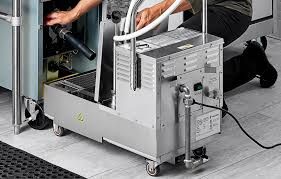
Oil filtration machines are industrial and commercial systems designed to remove contaminants such as dirt, metal particles, sludge, and water from oil. These machines are widely used in industries like manufacturing, automotive, power generation, food processing, and hydraulic systems. The primary goal is to maintain oil purity, improve system performance, and extend equipment life.
Oil naturally degrades over time due to heat, oxidation, and contamination. Without proper filtration, this degradation can reduce efficiency and increase wear and tear on machinery. Oil filtration machines exist to address this issue by continuously or periodically cleaning oil, ensuring it remains usable for longer durations.
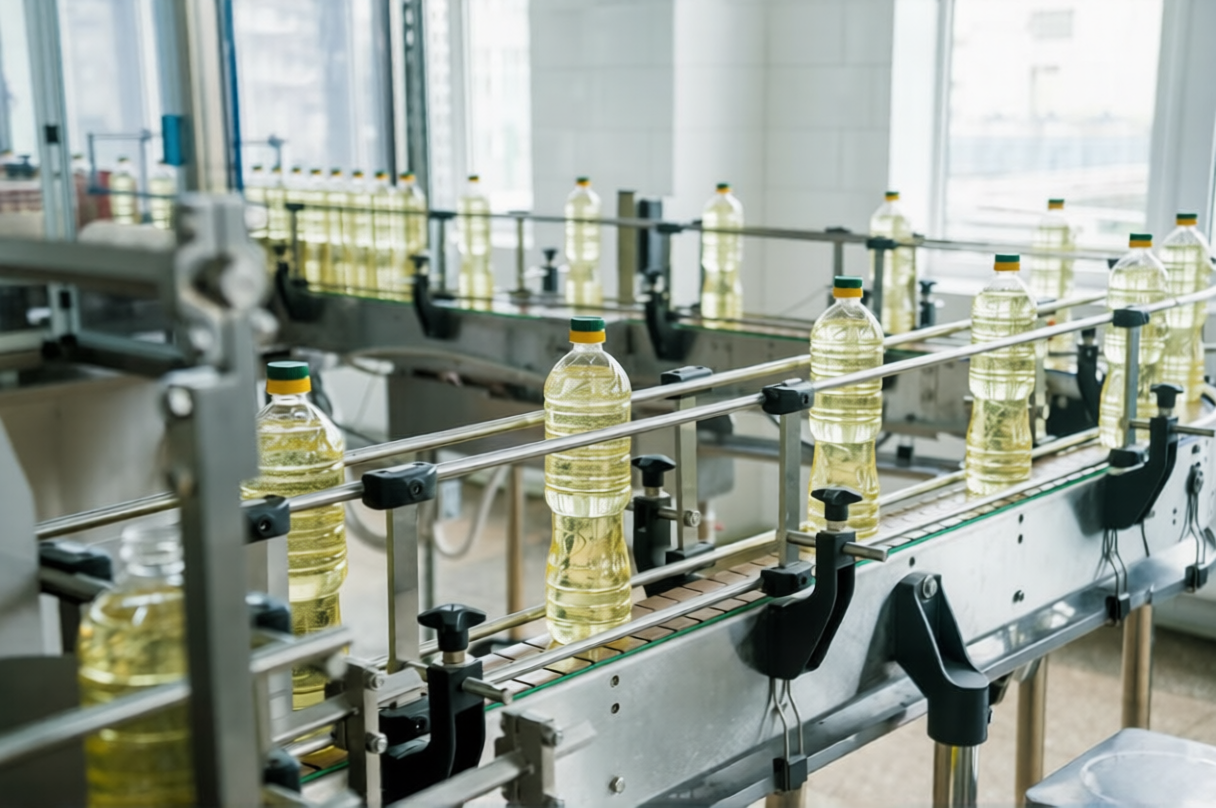
These systems operate using various technologies such as mechanical filtration, vacuum dehydration, centrifugation, and coalescing separation. Each method targets different types of contaminants and is selected based on application requirements.Importance, Industry Applications, and Performance Benefits
Oil filtration machines play a critical role in maintaining operational efficiency across multiple sectors. Clean oil improves lubrication, reduces friction, and prevents damage to sensitive components.
Industries that rely heavily on oil filtration include:
-
Power plants using turbine oil systems
-
Manufacturing units with hydraulic machinery
-
Automotive workshops handling engine and gear oil
-
Food processing facilities using edible oil filtration
-
Marine and aviation sectors requiring high-performance lubrication
The importance of oil filtration has increased due to rising demand for equipment reliability and sustainability. Contaminated oil can lead to:
-
Equipment breakdowns
-
Increased maintenance frequency
-
Reduced energy efficiency
-
Environmental risks from improper disposal
Oil filtration machines help solve these challenges by enabling:
-
Extended oil life cycles
-
Reduced downtime
-
Improved system performance
-
Lower environmental impact
Key Performance Comparison Table
| Parameter | Without Filtration | With Filtration |
|---|---|---|
| Oil Life | Short | Extended |
| Equipment Efficiency | Reduced | Improved |
| Maintenance Frequency | High | Lower |
| Contamination Level | High | Controlled |
| Operational Stability | Unstable | Stable |
Recent Updates, Trends, and Technological Developments
In recent times, oil filtration technology has evolved significantly, driven by automation, environmental awareness, and digital monitoring.
Some notable trends include:
-
Smart filtration systems with IoT integration for real-time monitoring
-
Advanced multi-stage filtration combining vacuum and fine filters
-
Increased use of portable filtration units for on-site applications
-
Improved filter media with higher dirt-holding capacity
-
Energy-efficient designs to reduce power consumption
Automation has become a key feature, allowing systems to detect contamination levels and adjust filtration cycles accordingly. Digital dashboards now provide insights into oil condition, filter life, and system performance.
Trend Growth Overview
| Trend Area | Development Focus |
|---|---|
| Automation | Real-time monitoring systems |
| Sustainability | Reduced oil waste |
| Portability | Mobile filtration units |
| Precision Filtration | Micron-level filtration |
| Digital Integration | Data-driven maintenance |
These updates reflect a shift toward predictive maintenance and efficient resource management.
Laws, Policies, and Compliance Considerations
Oil filtration and handling are influenced by environmental and industrial safety regulations. These rules aim to minimize pollution, ensure safe disposal, and maintain operational standards.
Key regulatory aspects include:
-
Proper disposal of used oil and contaminants
-
Limits on emissions and environmental discharge
-
Workplace safety standards for handling oils and machinery
-
Maintenance logs and compliance documentation
Organizations are often required to:
-
Monitor oil quality regularly
-
Maintain records of filtration and disposal
-
Use approved filtration and recycling methods
-
Prevent leakage and contamination of surrounding areas
Failure to comply with these regulations can lead to penalties, environmental damage, and operational disruptions. As a result, oil filtration machines are not only operational tools but also part of compliance strategies.
Tools, Resources, and Practical Utilities
Several tools and resources support the effective use and management of oil filtration systems. These help in monitoring oil quality, planning maintenance, and optimizing performance.
Commonly used tools include:
-
Oil analysis kits for detecting contaminants
-
Digital monitoring systems for real-time data
-
Filtration calculators to determine system capacity
-
Maintenance tracking software
-
Technical manuals and operational guidelines
Useful Resource Categories
| Resource Type | Purpose |
|---|---|
| Oil Testing Kits | Analyze contamination levels |
| Monitoring Software | Track system performance |
| Filtration Calculators | Estimate filtration requirements |
| Maintenance Logs | Record service and usage data |
| Technical Guides | Understand system operation |
Online platforms and industrial knowledge bases also provide insights, tutorials, and troubleshooting guides to improve understanding and efficiency.
Frequently Asked Questions and Practical Insights
What is the main function of an oil filtration machine?
An oil filtration machine removes impurities such as dirt, water, and sludge from oil to maintain its quality and extend its usability.
How often should oil be filtered?
The frequency depends on usage, operating conditions, and contamination levels. Continuous systems filter oil regularly, while periodic systems operate based on maintenance schedules.
What types of oil can be filtered?
Various types including hydraulic oil, engine oil, turbine oil, transformer oil, and edible oil can be filtered using appropriate systems.
Does filtration improve equipment performance?
Yes, clean oil reduces friction, prevents damage, and enhances overall system efficiency and reliability.
What are common filtration methods used?
Common methods include mechanical filtration, vacuum dehydration, centrifugation, and coalescing separation.
Conclusion, Key Takeaways, and Learning Summary
Oil filtration machines are essential tools for maintaining oil quality and ensuring the smooth operation of machinery across industries. By removing contaminants and preserving oil properties, these systems contribute to efficiency, reliability, and sustainability.
Understanding the basics of oil filtration helps in selecting the right system, maintaining compliance with regulations, and improving operational outcomes. With advancements in technology, modern filtration systems are becoming smarter, more efficient, and easier to manage.
As industries continue to focus on performance optimization and environmental responsibility, oil filtration machines will remain a critical component in achieving these goals.