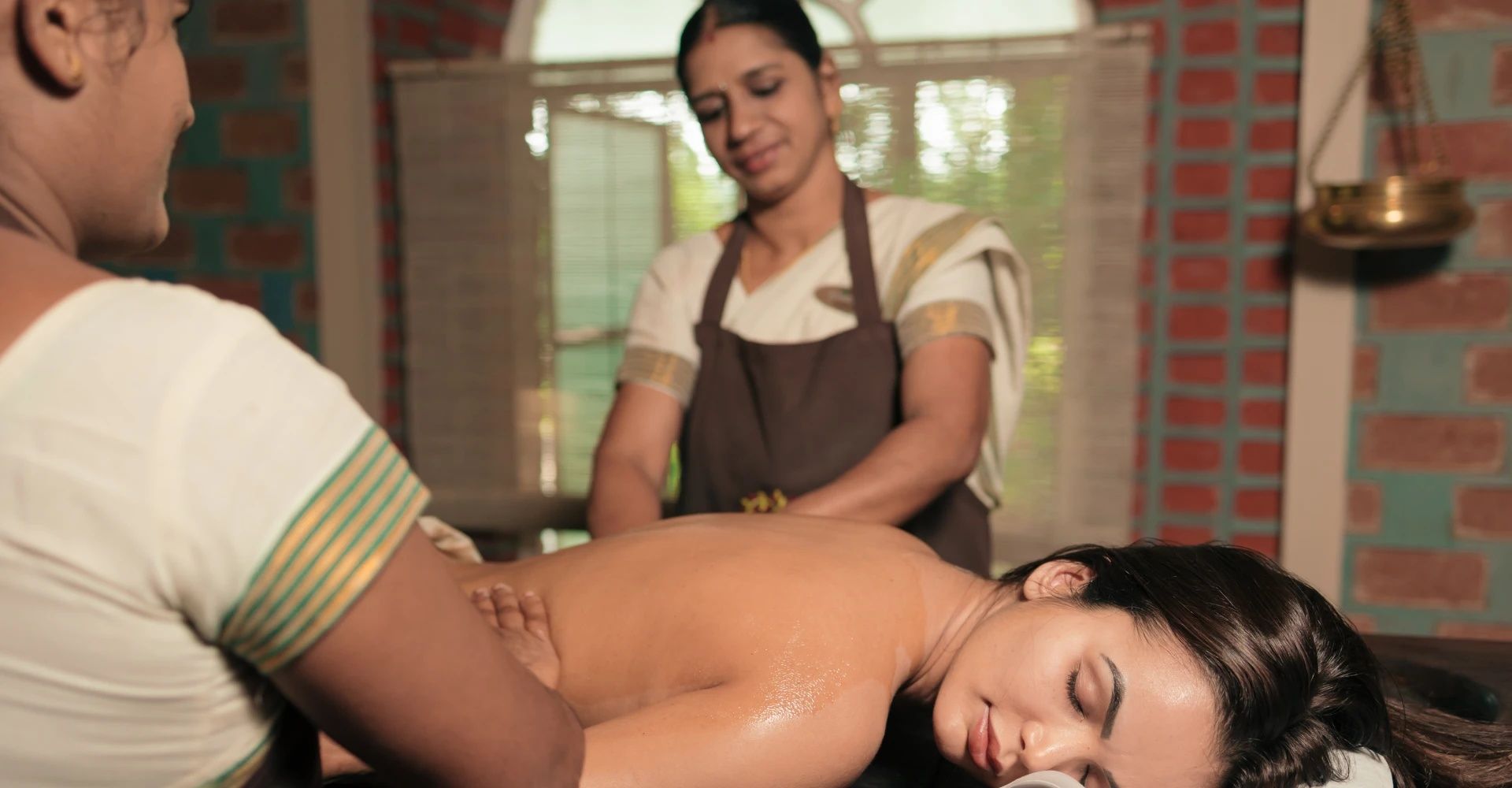
Panchakarma detox therapies are a traditional system of natural body cleansing that originates from Ayurveda, an ancient approach to health and wellness. The term “Panchakarma” refers to five core procedures designed to remove impurities from the body and restore internal balance.
These therapies were developed to address the gradual buildup of toxins caused by diet, lifestyle habits, and environmental exposure. Panchakarma detox focuses on structured and step-by-step cleansing rather than quick or extreme methods.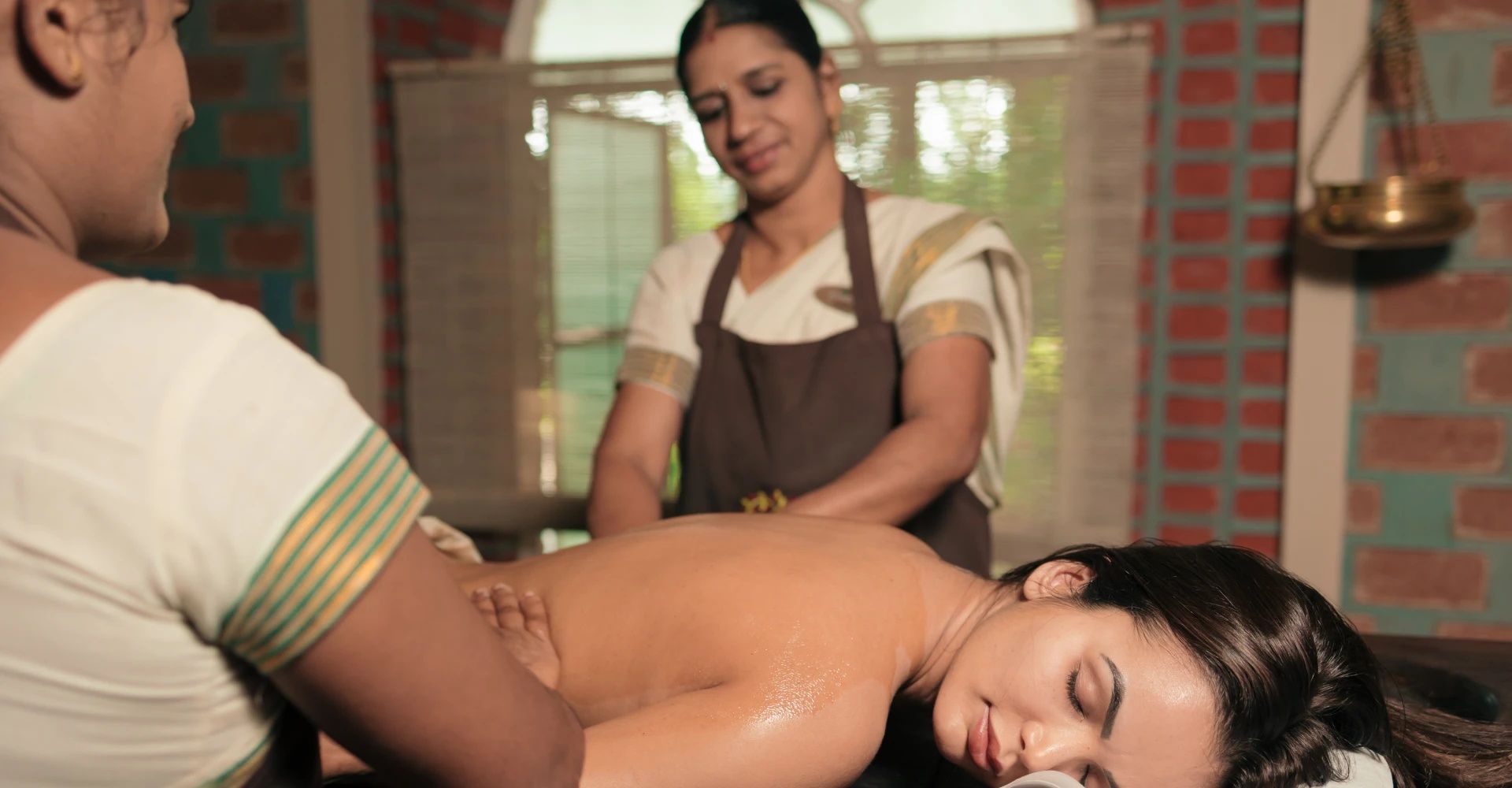
In modern discussions, panchakarma therapies are often included under holistic detox therapies because they consider physical, mental, and lifestyle factors together. Understanding how these practices work helps explain their continued relevance.
Importance
Panchakarma detox is important in today’s context because many individuals experience challenges related to irregular routines, processed food consumption, and ongoing stress. These factors can influence digestion, sleep, and general well-being.
Ayurvedic detox approaches aim to support the body’s natural processes. Instead of focusing on short-term results, these methods emphasize gradual balance and consistency.
The importance of panchakarma therapies can be explained through key aspects. Digestive balance helps regulate metabolism and nutrient absorption. Mental clarity supports relaxation and focus. Lifestyle structure encourages consistent daily habits. A holistic view connects physical and mental health rather than treating them separately.
These elements make ayurveda detox methods relevant for those exploring natural body cleansing approaches in everyday life.
Types of Panchakarma
The types of panchakarma include five primary procedures, each designed for a specific cleansing purpose.
Vamana
This method involves controlled elimination through the upper digestive system. It is traditionally associated with clearing excess buildup.
Virechana
Virechana focuses on cleansing the digestive tract through regulated elimination. It is commonly included in ayurvedic detox practices.
Basti
Basti is a widely discussed among panchakarma procedures. It involves introducing herbal preparations into the body to support internal cleansing and balance.
Nasya
Nasya includes the application of herbal substances through the nasal passages. It is associated with cleansing areas above the neck.
Raktamokshana
This procedure is traditionally described as a method for cleansing the circulatory system.
Panchakarma Treatment Process
The panchakarma treatment process follows a structured approach divided into stages.
Preparation Phase
The first stage prepares the body for detox. This includes oil application, mild heat exposure, and dietary adjustments. These steps help loosen impurities and prepare the system for deeper cleansing.
Main Detox Phase
In this stage, selected panchakarma therapies are performed. The focus is on removing accumulated toxins through specific procedures suited to individual needs.
Post-Therapy Phase
After detox, the body is gradually brought back to normal through controlled diet progression, rest, and routine adjustments. This stage supports stability and long-term balance.
Comparison of Panchakarma Procedures
| Procedure | Method | Target Area | Focus |
|---|---|---|---|
| Vamana | Elimination | Upper digestive system | Clearing buildup |
| Virechana | Purgation | Digestive tract | Internal cleansing |
| Basti | Enema method | Colon | Regulation and balance |
| Nasya | Nasal application | Head region | Airway and sinus support |
| Raktamokshana | Circulatory cleansing | Blood system | Impurity removal |
Recent Updates
Recent trends show increased awareness of panchakarma detox as part of broader wellness practices. Many individuals are exploring structured approaches to natural body cleansing instead of unstructured routines.
There is also growing interest in combining traditional ayurveda detox methods with modern lifestyle tracking. This includes monitoring diet, sleep, and daily habits to support consistency.
Digital platforms have made information about types of panchakarma more accessible. At the same time, there is ongoing discussion about maintaining consistency in how these therapies are practiced.
Laws or Policies
Panchakarma therapies are generally governed under traditional health frameworks in countries like India. These frameworks aim to ensure safe and standardized practices.
Key aspects include:
- Practitioners are expected to have formal knowledge of ayurveda detox methods
- Facilities may follow hygiene and safety guidelines
- Herbal preparations are regulated for quality and proper usage
Workplace and health-related regulations may also apply when therapies are performed in structured environments. These guidelines help ensure that panchakarma procedures are conducted responsibly.
Tools and Resources
Several tools and resources help individuals understand and track panchakarma detox and related practices.
Educational Resources
Online learning platforms and written materials explain the types of panchakarma and their applications in simple terms.
Tracking Tools
Digital apps and journals help monitor daily routines such as diet, sleep, and activity during natural body cleansing phases.
Assessment Templates
Structured formats are used to evaluate lifestyle patterns and determine suitable panchakarma therapies.
Reference Guides
Books and manuals provide detailed explanations of panchakarma treatment process and holistic detox therapies.
FAQs
What is panchakarma detox?
Panchakarma detox is a structured approach from Ayurveda that focuses on natural body cleansing through preparation, cleansing procedures, and recovery phases.
What are the main types of panchakarma therapies?
The main types of panchakarma therapies include Vamana, Virechana, Basti, Nasya, and Raktamokshana, each designed for specific cleansing purposes.
How does the panchakarma treatment process work?
The panchakarma treatment process includes three stages: preparation, main detox procedures, and post-therapy recovery to maintain balance.
What are common panchakarma benefits?
Panchakarma benefits are generally associated with improved digestion, better routine balance, and support for overall well-being.
Are ayurveda detox methods used in daily life?
Ayurveda detox methods are often discussed as part of broader lifestyle practices that include diet, routine, and mindful habits.
Conclusion
Panchakarma detox therapies are a structured approach to natural body cleansing rooted in traditional practices. These methods focus on gradual balance through preparation, cleansing, and recovery stages. Understanding the types of panchakarma and their processes helps explain their role in holistic detox therapies. Their continued relevance reflects growing interest in balanced and mindful living.