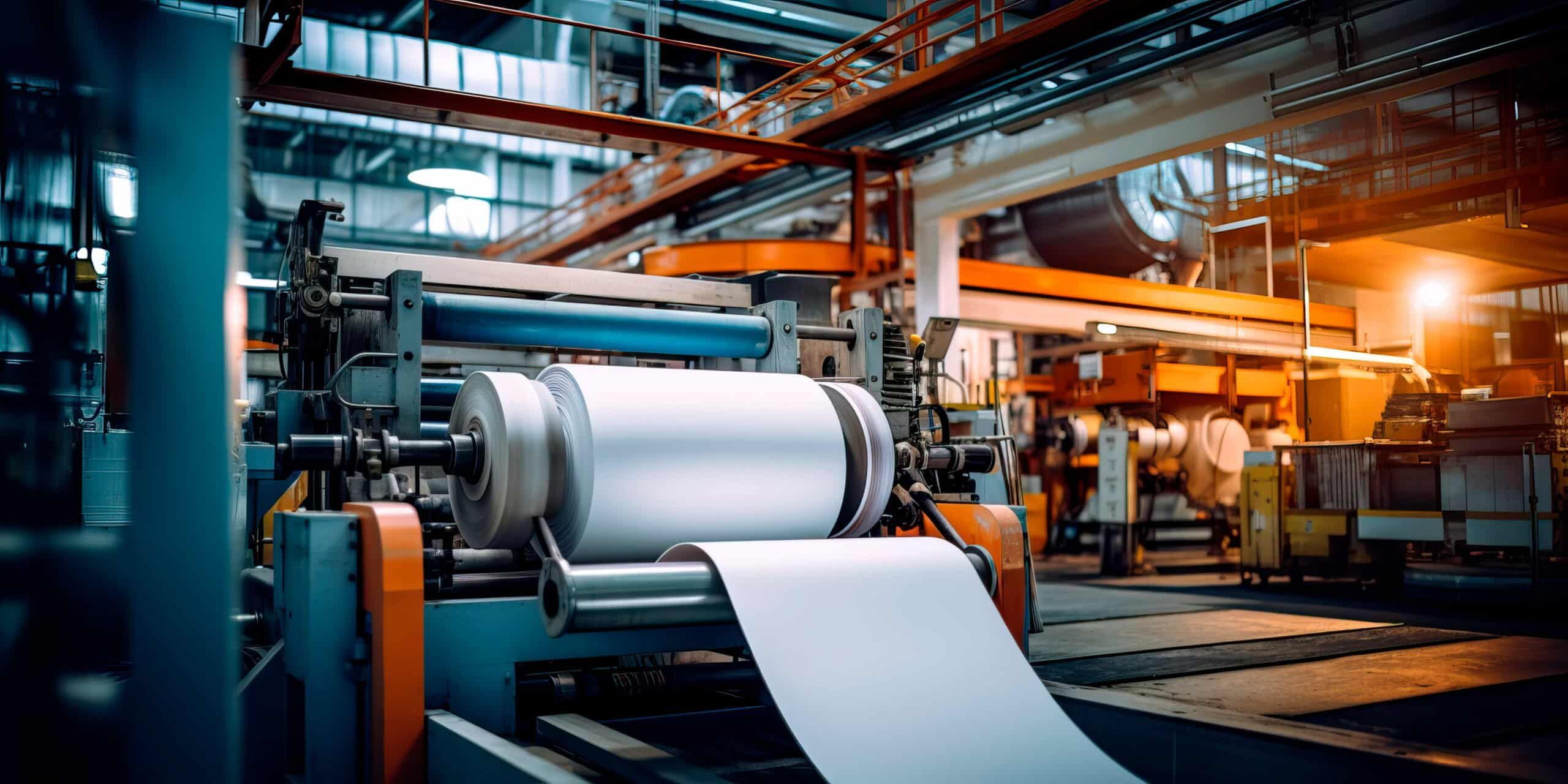
Paper mills are industrial facilities designed to manufacture paper from raw materials such as wood pulp, recycled paper, or other fibers. They play a crucial role in producing paper products used in education, packaging, communication, hygiene, and industrial applications.
The process of papermaking has evolved from ancient manual techniques to sophisticated industrial operations that rely heavily on automation, chemistry, and sustainable practices. Today, modern paper mills are engineered to optimize production speed, minimize waste, and reduce environmental impact.
Why Understanding Paper Mills Matters Today
Paper mills are not just about making writing paper—they are essential to various global industries, including publishing, e-commerce (packaging), healthcare (tissues, medical paper), and food services (paper cups, wrapping). Here's why understanding paper mills is important:
-
Economic Impact: Paper mills provide employment and support supply chains in forestry, transportation, and logistics.
-
Sustainability: Modern mills adopt recycling, water conservation, and energy efficiency practices, contributing to greener industrial operations.
-
Innovation: Technological advances in automation, digital control systems, and alternative fibers are changing how mills function.
-
Global Demand: With the rise in packaging needs due to online shopping, the demand for paperboard and corrugated packaging continues to grow.
Industries, environmental agencies, and even consumers benefit from understanding how paper is produced—especially in an era where recycling, sustainability, and eco-friendly materials are a priority.
Recent Trends and Developments in the Paper Industry (2024–2025)
In the last year, several shifts have influenced the global paper production landscape:
Sustainable Innovation
-
Alternative Fibers: There’s been a rise in using non-wood fibers like bamboo, hemp, and wheat straw to reduce reliance on forests.
-
Recycling Technology: In 2024, new de-inking and fiber-recovery techniques have helped improve the quality of recycled paper.
-
Carbon-Neutral Mills: Mills in countries like Sweden and Japan are investing in carbon-neutral technologies, aiming for net-zero emissions by 2030.
Automation and Industry 4.0
-
Smart sensors, AI-based control systems, and predictive maintenance are increasingly common.
-
Cloud-based systems are used to monitor and optimize paper quality and production efficiency.
Market Dynamics
-
Due to the decline in print media, many paper mills are shifting focus to packaging materials, which saw a 6.8% growth globally in 2024.
-
Countries like India, Indonesia, and Vietnam are emerging as cost-efficient production hubs due to low labor costs and rising demand.
Legal Regulations and Environmental Compliance
Paper mills operate under strict environmental and safety regulations in most countries, aimed at reducing pollution, waste, and deforestation. Some key areas include:
Environmental Regulations
-
Effluent Discharge Standards: Governments regulate how much and what kind of waste (particularly chemical-laden water) mills can release into rivers.
-
Air Quality Laws: Emissions like particulate matter, sulfur dioxide, and carbon dioxide are monitored and limited.
-
Water Usage Policies: Many regions, including EU nations and India, have introduced restrictions on groundwater extraction for industrial purposes.
Certifications and Programs
-
FSC (Forest Stewardship Council) and PEFC (Programme for the Endorsement of Forest Certification) are globally recognized certifications ensuring responsible forestry practices.
-
ISO 14001: Many paper mills now seek this environmental management certification to align with global standards.
-
Extended Producer Responsibility (EPR): Countries like India mandate producers to manage the recycling of the paper products they release into the market.
Key Equipment and Tools Used in Paper Mills
Paper production involves various stages and machinery. Here’s an overview of the major components:
| Process Stage | Key Equipment | Function |
|---|---|---|
| Pulping | Pulper, Refiners, Washers | Converts raw materials into pulp |
| Cleaning | Screens, Centrifugal Cleaners | Removes debris and contaminants |
| Bleaching (if required) | Bleaching Towers, Reactors | Whitens pulp using chemicals |
| Sheet Formation | Fourdrinier Machine, Twin Wire Former | Forms wet paper sheet |
| Pressing and Drying | Press Section, Dryer Section, Steam Cylinders | Removes moisture |
| Finishing | Calendars, Rewinders, Sheeters, Rollers | Smooths, cuts, and packages paper |
| Control and Monitoring | SCADA Systems, Moisture Sensors, Vibration Analyzers | Quality control and automation |
Useful Tools and Resources
To learn more about the paper industry or operate within it, here are some valuable tools and resources:
-
TAPPI (Technical Association of the Pulp and Paper Industry): Offers training, publications, and certification programs. www.tappi.org
-
PaperAge: Industry news, updates, and market reports. www.paperage.com
-
CEPI (Confederation of European Paper Industries): Offers sustainability data and EU policy updates. www.cepi.org
-
Online Pulp Yield Calculators: Helps estimate output from raw materials.
-
ISO Standards Repository: Access detailed ISO guidelines related to the paper and pulp sector.
Frequently Asked Questions (FAQs)
Q1: What raw materials are used in a paper mill?
A: Most mills use wood chips, recycled paper, or agricultural residues. Softwoods and hardwoods are common sources, along with non-wood fibers like bamboo or hemp.
Q2: Is the papermaking process harmful to the environment?
A: Traditional methods can cause pollution, but modern mills use water treatment plants, closed-loop systems, and eco-friendly chemicals to reduce environmental impact significantly.
Q3: How long does it take to produce paper in a mill?
A: It depends on the mill's size and equipment. On average, producing a ton of paper can take several hours, including pulping, sheet formation, drying, and finishing.
Q4: What is the difference between virgin and recycled paper?
A: Virgin paper is made from new raw materials, often wood pulp. Recycled paper is made from used paper products that have been cleaned, processed, and reformed.
Q5: Are paper mills fully automated?
A: Many are semi-automated with human oversight. However, large-scale mills are increasingly using AI, robotics, and smart control systems for continuous operation and quality assurance.
Conclusion
Understanding paper mill processes offers valuable insights into how one of the world’s oldest manufacturing industries continues to evolve. From advanced machinery to sustainability efforts, modern paper mills are an intersection of tradition and innovation. Whether you're a student, industry professional, or curious reader, knowing how paper is produced along with its environmental and economic impact can help you appreciate the role of this essential material in our daily lives.