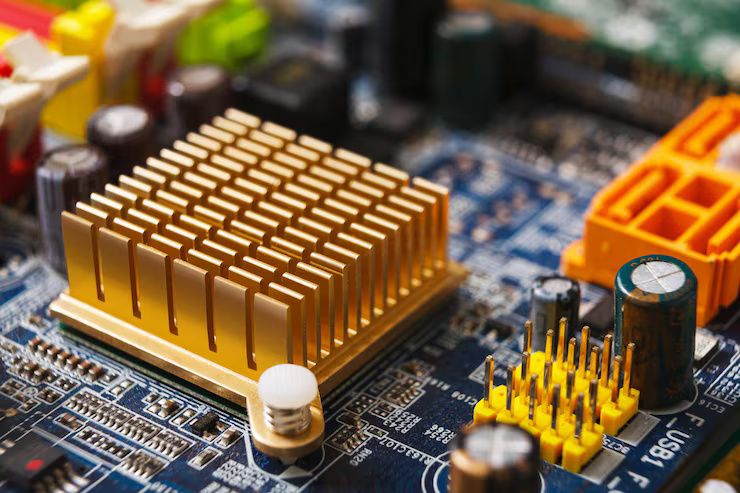
Printed Circuit Boards (PCBs) are the foundation of modern electronic devices, providing mechanical support and electrical connections between components. PCB complexity refers to the level of design sophistication, including layer count, component density, routing difficulty, and manufacturing precision required to produce a functional board. As electronics become smaller, faster, and more powerful, PCB designs are becoming increasingly complex.
In recent years, advancements in semiconductor technology, miniaturization, and high-speed communication systems have driven the need for highly intricate PCB layouts. Industries such as consumer electronics, automotive systems, telecommunications, and medical devices rely on complex PCBs to deliver enhanced performance and reliability. At the same time, manufacturers must balance complexity with cost, manufacturability, and quality.
Understanding PCB complexity is essential for engineers, designers, and manufacturers. It helps in optimizing layout, improving production accuracy, and ensuring efficient design processes. This guide provides insights into PCB complexity, its impact on manufacturing, and strategies to improve design efficiency.
Who It Affects and What Problems It Solves
PCB complexity affects multiple stakeholders across the electronics industry. Design engineers are responsible for creating layouts that meet performance requirements while remaining manufacturable. Manufacturers must ensure precision in fabrication to handle fine traces, multiple layers, and dense component placement. Product developers rely on efficient PCB designs to achieve compact and high-performance devices.
Companies producing smartphones, automotive electronics, industrial equipment, and IoT devices are particularly impacted by PCB complexity. As devices become more compact, the demand for high-density interconnect (HDI) boards and multi-layer designs increases.
Problems It Solves
- Miniaturization Challenges: Enables compact device design with high functionality
- Signal Integrity Issues: Optimized layouts reduce noise and interference
- Manufacturing Errors: Advanced design rules improve production accuracy
- Component Placement Constraints: Efficient layout maximizes space utilization
- Performance Limitations: Supports high-speed and high-frequency applications
- Design Inefficiencies: Streamlined processes reduce development time
PCB complexity management helps balance performance, cost, and manufacturability.
Recent Updates and Industry Trends
The PCB industry has experienced several key developments over the past year:
- High-Density Interconnect (HDI) Adoption: Increased use of microvias and fine traces
- Advanced Materials: Use of low-loss substrates for high-frequency applications
- AI-Assisted PCB Design: Automation tools improve layout optimization
- Flexible and Rigid-Flex PCBs: Growing demand in wearable and compact devices
- Sustainability Initiatives: Focus on reducing waste and using eco-friendly materials
- Automated Manufacturing: Precision fabrication using advanced machinery
India’s electronics manufacturing sector is also expanding, with increased investment in PCB production capabilities.
Comparison Table: Low vs High Complexity PCB
| Factor | Low Complexity PCB | High Complexity PCB |
|---|---|---|
| Layer Count | 1–2 layers | 6+ layers |
| Component Density | Low | High |
| Design Complexity | Simple routing | Advanced routing with constraints |
| Manufacturing Cost | Lower | Higher |
| Production Accuracy | Moderate | High precision required |
| Application | Basic electronics | Advanced devices (smartphones, automotive) |
| Testing Requirements | Basic | Extensive testing and validation |
Laws, Policies, and Government Regulations
PCB manufacturing and design are influenced by industry standards and regulations.
Key Regulations
- Electronics Manufacturing Standards: Ensure quality and reliability of PCBs
- Environmental Regulations: Control hazardous materials (e.g., RoHS compliance)
- Safety Standards: Ensure safe operation in electronic devices
- Import/Export Policies: Affect availability of raw materials and components
Practical Guidance
- Manufacturers: Must follow quality standards and testing protocols
- Design Engineers: Should adhere to design rules for manufacturability (DFM)
- Export Businesses: Need compliance with international standards
- Sustainability Focus: Adoption of eco-friendly materials and processes
Compliance ensures reliable and safe electronic products.
Tools and Resources
Several tools and resources support PCB design and manufacturing:
Design Software
- PCB layout and design tools (EDA software)
- Simulation tools for signal integrity and thermal analysis
Manufacturing Tools
- Automated fabrication and inspection systems
- Surface mount technology (SMT) equipment
Testing Tools
- Electrical testing and inspection systems
- Automated optical inspection (AOI)
Industry Resources
- PCB design guidelines and standards
- Manufacturer technical documentation
Training Resources
- Electronics design courses
- PCB design and manufacturing certification programs
These tools help improve design accuracy, efficiency, and production quality.
Frequently Asked Questions (FAQ)
What is PCB complexity?
PCB complexity refers to the level of design difficulty, including layer count, component density, and routing challenges.
Why is PCB complexity increasing?
Due to miniaturization, higher performance requirements, and advanced electronic applications.
How does complexity affect manufacturing?
Higher complexity requires more precise manufacturing processes and increases cost.
What is HDI in PCB design?
High-Density Interconnect (HDI) involves using microvias and fine traces to increase component density.
How can PCB design efficiency be improved?
By using advanced design tools, following design rules, and optimizing layout strategies.
Conclusion
PCB complexity is a critical factor in modern electronics design and manufacturing. As devices become more advanced, the need for high-density, multi-layer, and high-performance PCBs continues to grow. Managing complexity effectively ensures manufacturing accuracy, optimal component layout, and efficient design processes.
Recent trends such as AI-assisted design, advanced materials, and automated manufacturing are helping address the challenges associated with complex PCB designs. Data-driven insights suggest that companies investing in advanced PCB technologies achieve better performance and reliability in their products.
For engineers and businesses, balancing complexity with cost and manufacturability is essential. While simple PCBs remain suitable for basic applications, high-complexity designs are necessary for advanced electronics. Selecting the right approach ensures efficiency, quality, and long-term success in electronic product development.