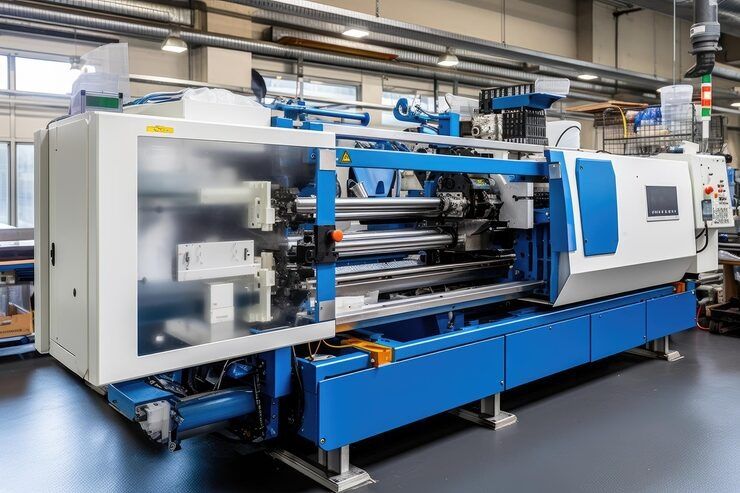
Plastic products are part of everyday life, from packaging containers and household items to automotive parts and medical devices. The production of these items relies heavily on plastic molding machine manufacturing, a process that involves designing and building machines capable of shaping molten plastic into specific forms.
The origins of plastic molding date back to the early development of synthetic polymers. As plastic materials became widely used during industrial expansion, the need for efficient shaping techniques led to the invention of molding machines. Over time, these machines evolved into complex systems capable of producing high volumes of consistent products.
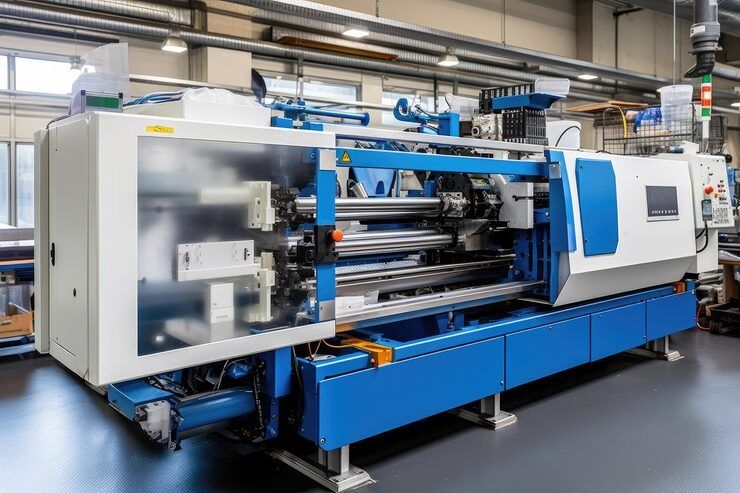
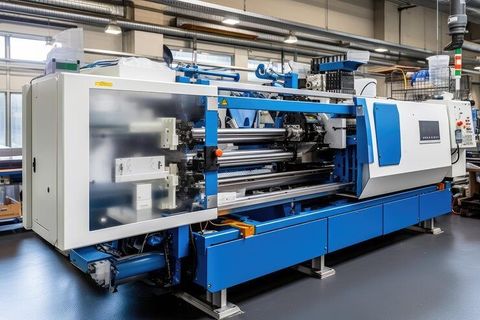
Modern plastic molding machines are used across multiple industries. They operate by heating plastic materials until they become flexible, then shaping them inside molds under controlled pressure and temperature. Once cooled, the material retains the desired shape.
Today, plastic molding machine manufacturing involves precision engineering, automation systems, and advanced material handling. These machines are designed to meet diverse production requirements, ranging from small-scale components to large industrial parts.
Importance
Plastic molding machines play a central role in modern manufacturing. Without them, producing consistent plastic products at scale would be difficult. Their importance extends beyond industrial facilities to everyday life, as many common items depend on molded plastic components.
One key benefit of plastic molding machine manufacturing is the ability to produce complex shapes with high accuracy. This allows manufacturers to create products that meet specific functional and design requirements.
Several factors highlight the importance of these machines:
- Mass production capability: Molding machines enable large quantities of identical products to be produced efficiently.
- Material versatility: Different types of plastics, including thermoplastics and thermosetting polymers, can be processed.
- Precision and consistency: Controlled molding conditions ensure uniform product dimensions.
- Wide industrial use: Applications range from packaging and consumer goods to automotive and medical equipment.
- Reduced material waste: Many molding processes reuse excess material, improving resource efficiency.
Industries such as healthcare, transportation, electronics, and construction rely on molded plastic components. These machines help meet the demand for durable, lightweight, and functional products.
Recent Updates
The field of plastic molding machine manufacturing continues to evolve as industries adopt new technologies and adapt to changing environmental and production needs.
Automation and Smart Manufacturing
Modern molding machines increasingly include automated control systems. These systems monitor parameters such as temperature, pressure, and cycle time. Sensors and digital interfaces help maintain consistent production conditions and reduce manual intervention.
Energy Efficiency Improvements
New machine designs focus on reducing energy consumption. Electric and hybrid molding machines are becoming more common, replacing older hydraulic systems in some applications. These systems provide more precise control and improved efficiency.
Sustainable Material Processing
There is a growing focus on processing recycled plastics and biodegradable materials. Machines are being adapted to handle these materials without compromising product quality. This shift reflects broader environmental considerations in manufacturing.
Integration with Industry 4.0
Many production facilities now integrate molding machines with digital manufacturing systems. Data collected from machines can be analyzed to improve performance, detect maintenance needs, and optimize production processes.
Customization and Flexibility
Manufacturers are designing machines that can handle multiple molds and product types. This flexibility allows production lines to adapt to changing product requirements without extensive modifications.
Laws or Policies
Plastic molding machine manufacturing and plastic product production are influenced by regulations related to safety, environmental impact, and product quality.
Industrial Safety Regulations
Factories operating molding machines must follow workplace safety guidelines. These regulations address machine operation, worker protection, and equipment maintenance. Safety features such as emergency stops and protective guards are standard in modern machines.
Environmental Regulations
Governments often regulate plastic production due to environmental concerns. These rules may include guidelines on emissions, waste management, and recycling practices. Manufacturers may need to adopt processes that minimize environmental impact.
Material Compliance Standards
Certain industries, such as food packaging and healthcare, require plastic products to meet strict material standards. These standards ensure that plastics used in sensitive applications are safe and suitable for their intended purpose.
Quality Certification Systems
Manufacturing facilities often follow recognized quality frameworks such as ISO standards. These systems help maintain consistency in production processes and ensure that machines and products meet defined specifications.
Product Labeling Requirements
Plastic products may need to include labeling related to material type, recycling information, or usage guidelines. These requirements vary depending on regional regulations.
Tools and Resources
Professionals involved in plastic molding machine manufacturing use various tools and resources to design, operate, and maintain equipment.
Common tools and platforms include:
- Computer-aided design (CAD) software: Used to design molds and machine components.
- Simulation software: Helps analyze material flow, cooling patterns, and mold performance.
- Process monitoring systems: Track temperature, pressure, and cycle time during production.
- Material testing equipment: Evaluates strength, flexibility, and thermal properties of plastics.
- Maintenance management systems: Help schedule inspections and track machine performance.
Types of Plastic Molding Machines
Different types of molding machines are used depending on the product and material requirements. The following table summarizes common types and their functions.
| Machine Type | Description | Typical Applications |
|---|---|---|
| Injection Molding Machine | Injects molten plastic into a mold under pressure | Packaging, automotive parts |
| Blow Molding Machine | Forms hollow objects by inflating heated plastic | Bottles, containers |
| Compression Molding Machine | Shapes material using heat and pressure in a mold | Electrical components |
| Rotational Molding Machine | Rotates mold to distribute plastic evenly | Storage tanks, large containers |
| Extrusion Molding Machine | Pushes molten plastic through a die to form continuous shapes | Pipes, sheets, profiles |
Each machine type is designed to handle specific shapes, materials, and production requirements.
FAQs
What is plastic molding machine manufacturing?
Plastic molding machine manufacturing refers to the design and production of machines that shape plastic materials into finished products using heat, pressure, and molds.
What are the main types of plastic molding machines?
The main types include injection molding machines, blow molding machines, compression molding machines, rotational molding machines, and extrusion molding machines. Each type is suited for different product shapes and applications.
How does a plastic molding machine work?
A plastic molding machine heats raw plastic material until it becomes soft or molten. The material is then shaped inside a mold using pressure or rotation. After cooling, the material solidifies into the final product shape.
What industries use plastic molding machines?
Plastic molding machines are used in industries such as packaging, automotive manufacturing, healthcare, electronics, construction, and consumer goods production.
Why is plastic molding machine manufacturing important?
Plastic molding machine manufacturing supports the production of a wide range of products used in everyday life. It enables consistent, efficient, and precise shaping of plastic materials for various industrial applications.
Conclusion
Plastic molding machine manufacturing is a key part of modern industrial production. These machines enable the efficient shaping of plastic materials into a wide range of products used across multiple industries.
Advancements in automation, energy efficiency, and sustainable material processing continue to influence how molding machines are designed and used. Regulatory frameworks and quality standards help ensure safe and consistent production practices.
Understanding the types, processes, and applications of plastic molding machines provides valuable insight into how everyday plastic products are created and manufactured.