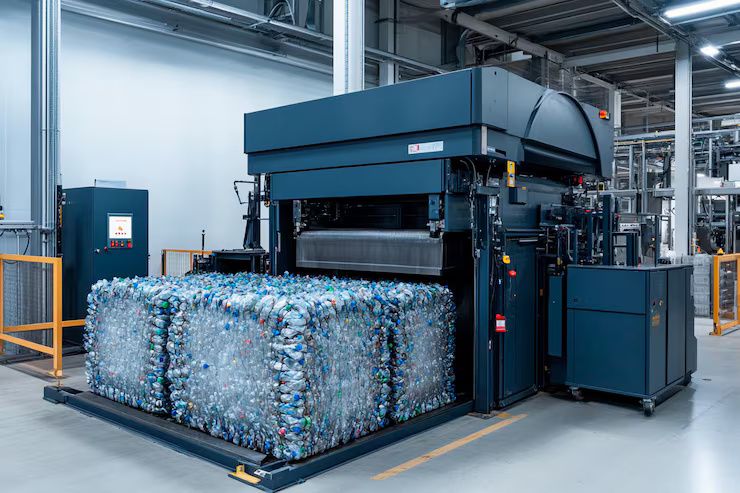
Plastic processing machinery refers to industrial systems used to shape raw plastic materials into usable products. These machines convert plastic granules, powders, or resins into finished or semi-finished forms through controlled heating, pressure, and mechanical movement.
The development of plastic processing machinery began alongside the growth of mass manufacturing. As industries required lightweight, durable, and adaptable materials, plastics became widely used. Machinery evolved to support large-scale, consistent, and repeatable production while maintaining material stability.
Today, plastic processing equipment plays a central role in manufacturing sectors such as packaging, automotive components, construction materials, electronics housings, and consumer goods. Modern systems focus on precision, material efficiency, and automated control rather than manual operation.
Importance
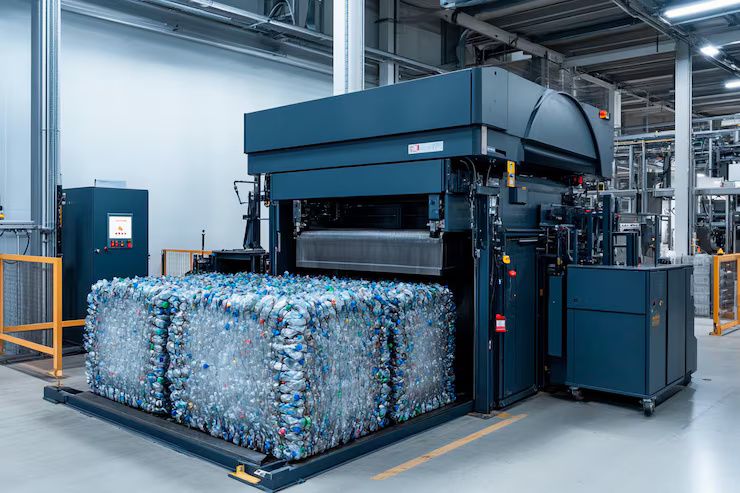
Plastic processing machinery matters because it supports high-volume manufacturing with predictable quality. Without these systems, producing standardized plastic parts at scale would be difficult and inconsistent.
Key reasons this topic is important today include:
-
Growing demand for lightweight and durable materials
-
Increased use of plastics in infrastructure and medical equipment
-
Need for consistent dimensions and surface quality
-
Pressure to reduce material waste and energy usage
Industries affected by plastic processing machinery include manufacturing plants, product design teams, material engineers, and supply chain operations. These systems help solve problems such as uneven shaping, material defects, production delays, and inefficient resource usage.
The importance has grown further as manufacturers adopt automated plastic processing systems to meet global quality standards and regulatory requirements.
How Modern Plastic Processing Systems Work
Modern plastic processing machinery follows a structured workflow. While machine types differ, most systems include similar core stages.
Typical processing stages include:
-
Material feeding
-
Controlled heating and melting
-
Shaping or forming
-
Cooling and solidification
-
Trimming or finishing
Different machines apply these stages in unique ways depending on the output shape and material properties.
Common Types of Plastic Processing Machinery
| Machine Type | Main Function | Typical Output |
|---|---|---|
| Injection Molding Machine | Injects molten plastic into molds | Precision parts |
| Extrusion Machine | Pushes plastic through shaped dies | Pipes, sheets |
| Blow Molding Machine | Expands plastic into hollow forms | Bottles, containers |
| Compression Molding Machine | Compresses heated plastic in molds | Automotive parts |
| Thermoforming Machine | Shapes heated sheets using molds | Packaging trays |
Each machine type is designed for specific plastic processing requirements, ensuring accurate shaping and repeatability.
Importance of Automation and Control Systems
Modern plastic processing machinery relies heavily on digital control systems. These systems monitor temperature, pressure, cycle time, and material flow.
Automation improves:
-
Dimensional accuracy
-
Production consistency
-
Material efficiency
-
Operational safety
Sensors and programmable logic controllers help operators maintain stable conditions throughout production, reducing defects and downtime.
Recent Updates
In the past year, plastic processing machinery has seen noticeable technical improvements focused on efficiency and sustainability.
Key updates observed during 2024–2025 include:
-
Increased adoption of energy-efficient servo motors (2024)
-
Wider use of real-time process monitoring systems
-
Growth in recycled plastic compatibility within machines
-
Improved temperature regulation for advanced polymers
Manufacturers are also integrating data analytics into plastic processing equipment to identify material loss patterns and improve long-term system performance.
Environmental and Material Trends
Recent developments emphasize reducing material waste and optimizing plastic flow. Machines now support:
-
Lower processing temperatures for specific polymers
-
Reduced cycle times without affecting quality
-
Better handling of recycled and blended plastics
These updates help align plastic processing operations with environmental targets and manufacturing efficiency goals.
Laws or Policies
Plastic processing machinery is influenced by industrial safety regulations, environmental standards, and material compliance rules. In many countries, regulations focus on:
-
Workplace safety standards
-
Energy efficiency guidelines
-
Waste reduction policies
-
Restrictions on hazardous plastic additives
Government programs increasingly encourage responsible plastic usage and recycling integration. Manufacturers using plastic processing machinery must ensure systems comply with emission controls and operational safety norms.
Regulatory frameworks also impact machine design, requiring proper guarding, emergency controls, and operator safety mechanisms.
Tools and Resources
Several tools and resources support understanding and managing plastic processing machinery effectively.
Helpful resources include:
-
Plastic material property databases
-
Machine cycle time calculators
-
Energy efficiency benchmarking tools
-
Industrial automation software platforms
-
Maintenance scheduling templates
These tools assist engineers and operators in optimizing machine settings, reducing downtime, and improving material utilization without altering production stability.
Process Comparison Table
| Processing Method | Material Form | Output Consistency | Typical Use |
|---|---|---|---|
| Injection Molding | Granules | Very high | Precision components |
| Extrusion | Pellets | Continuous | Pipes, profiles |
| Blow Molding | Molten tube | High | Hollow containers |
| Thermoforming | Sheets | Moderate | Packaging products |
This comparison highlights how different plastic processing methods suit different manufacturing requirements.
FAQs
What materials are used in plastic processing machinery?
Plastic processing machinery works with thermoplastics such as polyethylene, polypropylene, and polystyrene, as well as engineering plastics designed for higher performance.
How does plastic processing machinery maintain quality?
Quality is maintained through precise control of temperature, pressure, and timing, supported by automated monitoring systems and calibrated tooling.
Is plastic processing machinery suitable for recycled materials?
Many modern systems are designed to handle recycled plastics, provided material properties are consistent and properly prepared.
What factors affect machine performance?
Material quality, machine calibration, temperature control, and maintenance schedules all influence performance and output consistency.
How long do plastic processing machines operate daily?
Operating hours vary by facility, but many systems are designed for continuous or extended operation under monitored conditions.
Conclusion
Plastic processing machinery forms the foundation of modern plastic manufacturing. These systems transform raw plastic materials into reliable, standardized products used across industries. Advances in automation, material compatibility, and energy efficiency have made modern machinery more precise and adaptable than earlier generations.
Understanding how plastic processing machinery works helps clarify its role in manufacturing, regulation compliance, and material efficiency. As industries continue to evolve, these systems will remain essential for meeting production demands while maintaining quality and operational stability.