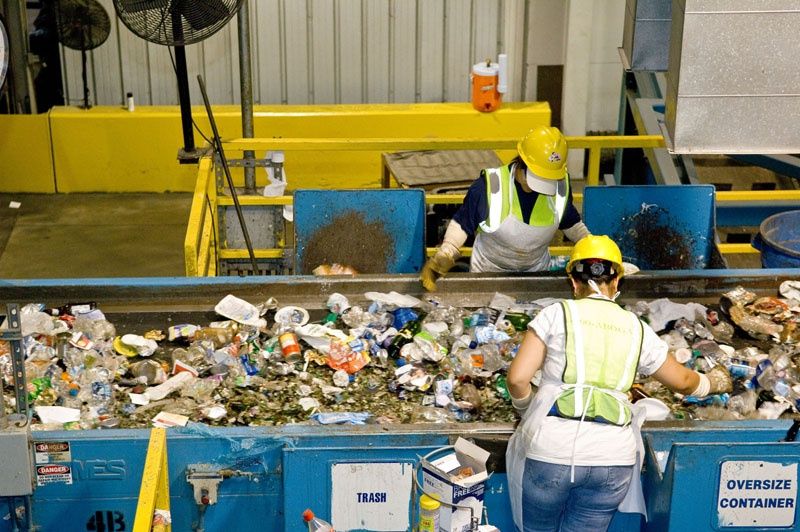
Plastic recycling is the process of collecting, sorting, processing, and converting plastic waste into reusable materials. It exists to address the growing problem of plastic pollution, which results from increased production and consumption of plastic products across industries such as packaging, manufacturing, healthcare, and e-commerce.
Modern waste management systems are evolving to handle different types of plastics, including PET, HDPE, PVC, and polypropylene. Each type requires specific recycling methods, making the process more complex but also more efficient with technological advancements.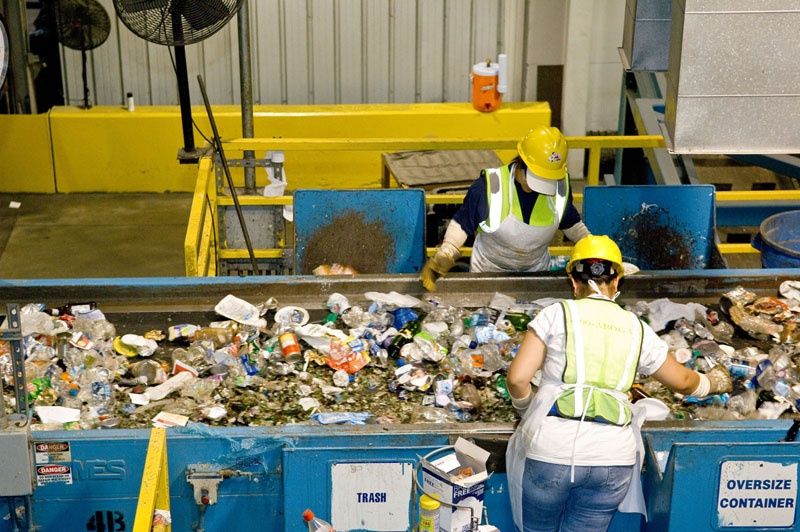
Plastic recycling supports environmental sustainability by reducing landfill waste, conserving natural resources, and minimizing greenhouse gas emissions. It also aligns with broader environmental strategies such as circular economy models and sustainable resource management.
Why Plastic Recycling Matters Today
Plastic waste has become a global environmental challenge. With millions of tons of plastic produced annually, improper disposal leads to pollution in oceans, rivers, and urban areas.
Key reasons why plastic recycling is important include:
-
Environmental Protection: Reduces pollution and prevents harm to ecosystems and wildlife
-
Resource Conservation: Decreases dependence on fossil fuels used in plastic production
-
Energy Efficiency: Recycling uses less energy compared to producing new plastic
-
Waste Reduction: Helps manage increasing urban waste volumes
-
Economic Impact: Supports recycling industries and green technology sectors
Plastic recycling affects households, industries, governments, and environmental organizations. It addresses issues such as landfill overflow, marine pollution, and carbon emissions.
Plastic Waste Impact Overview
| Factor | Without Recycling | With Recycling |
|---|---|---|
| Landfill Waste | High accumulation | Reduced volume |
| Energy Usage | Higher | Lower |
| Carbon Emissions | Increased | Decreased |
| Resource Usage | Virgin materials | Recycled materials |
Recent Updates and Trends in Plastic Recycling
In the past year, several developments have influenced plastic recycling technologies and policies globally.
-
Advanced Recycling Technologies (2025): Chemical recycling methods such as pyrolysis and depolymerization are gaining attention. These methods break plastics into basic molecules, allowing reuse in manufacturing.
-
AI-Based Waste Sorting (2024–2025): Artificial intelligence is being integrated into recycling plants to improve sorting accuracy and efficiency.
-
Biodegradable Plastics Research (2025): Increased research into bio-based plastics aims to reduce long-term environmental impact.
-
Global Plastic Treaty Discussions (2025): Countries are working toward international agreements to reduce plastic pollution.
-
Extended Producer Responsibility (EPR) Expansion: More regions are enforcing policies that hold manufacturers responsible for plastic waste management.
These updates indicate a shift toward smarter, technology-driven recycling systems and stricter environmental accountability.
Laws and Policies Affecting Plastic Recycling
Plastic recycling is heavily influenced by government regulations and environmental policies. These laws aim to reduce plastic waste and promote sustainable practices.
In India, several key policies shape plastic recycling:
-
Plastic Waste Management Rules (Amended 2022): Focus on waste segregation, recycling targets, and banning certain single-use plastics
-
Extended Producer Responsibility (EPR): Requires producers to manage the lifecycle of plastic products
-
Swachh Bharat Mission: Encourages waste management and recycling initiatives across cities
-
State-Level Regulations: Different states implement additional measures for plastic waste control
Globally, policies such as plastic bans, recycling mandates, and sustainability frameworks are becoming more common.
Policy Impact Summary
| Policy Type | Purpose | Impact |
|---|---|---|
| Plastic Bans | Reduce single-use plastics | Lower waste generation |
| EPR Programs | Producer accountability | Improved recycling rates |
| Recycling Targets | Set minimum recycling benchmarks | Increased compliance |
| Waste Segregation Rules | Improve sorting efficiency | Better recycling outcomes |
Tools and Resources for Plastic Recycling
Several tools and digital platforms support plastic recycling efforts, making it easier for individuals and organizations to participate.
Useful tools and resources include:
-
Waste Segregation Apps: Help identify recyclable materials and proper disposal methods
-
Recycling Calculators: Estimate environmental impact and carbon savings
-
Government Portals: Provide guidelines, policies, and compliance information
-
Sustainability Dashboards: Track waste management performance for businesses
-
Educational Platforms: Offer knowledge on recycling techniques and environmental practices
Examples of practical resources:
-
Local municipal waste management apps
-
Environmental awareness websites
-
Data dashboards for tracking recycling metrics
-
Online guides for plastic identification codes
Recycling Efficiency Comparison
| Tool Type | Benefit | Usage Level |
|---|---|---|
| Mobile Apps | Easy access to recycling info | High |
| Online Calculators | Data-driven insights | Medium |
| Government Platforms | Policy and compliance guidance | High |
| AI Sorting Systems | Industrial efficiency | Advanced |
Frequently Asked Questions
What types of plastic can be recycled?
Common recyclable plastics include PET (water bottles), HDPE (containers), and PP (packaging). However, recycling depends on local facilities and sorting systems.
What is the difference between mechanical and chemical recycling?
Mechanical recycling involves shredding and reprocessing plastic, while chemical recycling breaks it down into molecular components for reuse.
How does recycling reduce environmental impact?
Recycling reduces landfill waste, lowers carbon emissions, and conserves natural resources by reusing existing materials instead of producing new plastic.
What are plastic identification codes?
These are numbers (1–7) found on plastic products that indicate the type of plastic and its recyclability.
Why is plastic recycling sometimes inefficient?
Challenges include contamination, lack of infrastructure, mixed materials, and limited public awareness about proper waste segregation.
Conclusion
Plastic recycling plays a critical role in modern environmental sustainability efforts. As plastic consumption continues to rise, effective recycling systems are essential to manage waste and reduce ecological damage.
Advancements in technology, such as AI-based sorting and chemical recycling, are improving efficiency and expanding possibilities. At the same time, government policies and global initiatives are driving accountability and encouraging responsible waste management practices.
With the support of tools, resources, and public awareness, plastic recycling can contribute significantly to a circular economy. It helps transform waste into valuable resources while reducing environmental impact and supporting long-term sustainability goals.