Polishing machines are industrial equipment designed to improve the surface quality of materials by smoothing, refining, and enhancing their finish. These machines are used after primary manufacturing steps such as casting, machining, or forming, where surfaces may contain roughness, tool marks, or irregularities. Polishing exists because many industrial components require controlled surface characteristics for proper function, appearance, or durability.
Historically, polishing was performed manually using abrasive stones, cloths, or compounds. While suitable for small-scale work, manual polishing lacked consistency and efficiency for industrial production. As manufacturing demands increased, polishing machines were developed to deliver uniform surface finishes.
Today, polishing machines are widely used in industries such as automotive, aerospace, electronics, and metal fabrication. These machines use controlled motion, pressure, and abrasives to achieve consistent surface quality.
Importance: Why Polishing Machines Matter Today
Polishing machines are important because surface finish directly affects product performance, durability, and appearance. High-quality finishing ensures components function reliably under various conditions.
Key Reasons for Importance
- Improve surface smoothness and uniformity
- Support precise dimensional finishing
- Enhance durability and wear resistance
- Ensure consistent product quality
These machines are essential for manufacturers, engineers, and quality control teams. They help maintain performance standards and reduce variability in production.
Challenges Addressed
- Inconsistent surface finishing in manual processes
- Increased wear and friction due to rough surfaces
- Difficulty maintaining uniform quality
- Variability in large-scale production
Understanding these challenges highlights the role of polishing machines in modern manufacturing.
Recent Updates: Trends in Polishing Machine Technology
In 2024 and early 2025, polishing machine technology advanced with automation, efficiency improvements, and environmental considerations.
Key Trends
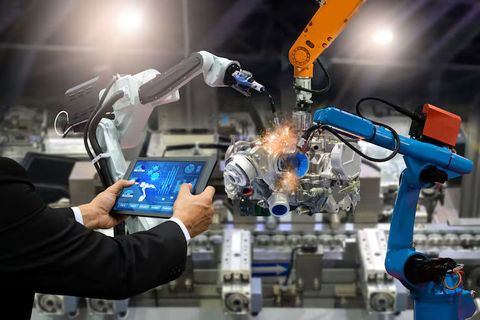
- Adoption of automated and robotic polishing systems
- Use of adaptive polishing parameters for better control
- Focus on energy efficiency and dust management
- Integration of sensors and digital monitoring systems
These trends reflect the shift toward smarter and safer industrial processes.
Laws and Policies: Standards Affecting Polishing Machines
Polishing machines are governed by industrial safety standards and manufacturing regulations. These frameworks ensure safe operation and consistent results.
Key Regulatory Areas
- Machine safety and operational standards
- Surface quality measurement guidelines
- Environmental regulations for dust and waste management
- Workplace safety and compliance requirements
These policies influence how polishing operations are designed and managed.
Tools and Resources: Understanding Polishing Machines
Various tools and resources help explain polishing processes and machine operation. These resources support learning and process optimization.
Common Tools and Resources
- Surface roughness measurement instruments
- Process flow diagrams for finishing operations
- Abrasive material reference guides
- Machine monitoring dashboards
- Manufacturing handbooks
Common Types of Polishing Machines
| Machine Type | Primary Use | Typical Application |
|---|---|---|
| Belt Polishing Machine | Linear surface finishing | Metal sheets and profiles |
| Disc Polishing Machine | Flat and contoured surfaces | Precision components |
| Drum Polishing Machine | Batch finishing | Small metal parts |
| Robotic Polishing Cell | Automated complex finishing | Automotive and aerospace |
| Vibratory Polishing | Deburring and smoothing | Bulk component finishing |
These machines support different finishing requirements across industries.
FAQs: Common Questions About Polishing Machines
What is the main purpose of a polishing machine?
It improves surface finish by removing irregularities and creating smooth, consistent surfaces.
How is polishing different from grinding?
Grinding focuses on shaping and material removal, while polishing focuses on refining surface quality.
Are polishing machines used only for metals?
No, they are also used for plastics, ceramics, and composite materials.
Why is surface finish important?
It affects friction, wear resistance, corrosion behavior, and overall performance.
Can polishing machines be automated?
Yes, modern systems often include automation and monitoring for consistent results.
Conclusion: Role of Polishing Machines in Industrial Finishing
Polishing machines are essential tools in modern manufacturing, ensuring that components meet required surface quality standards. They support consistency, efficiency, and reliability across production systems.
By understanding their importance, trends, regulations, and tools, readers gain insight into their role in industrial processes. As industries demand higher precision, polishing machines remain critical for achieving refined and durable surface finishes.