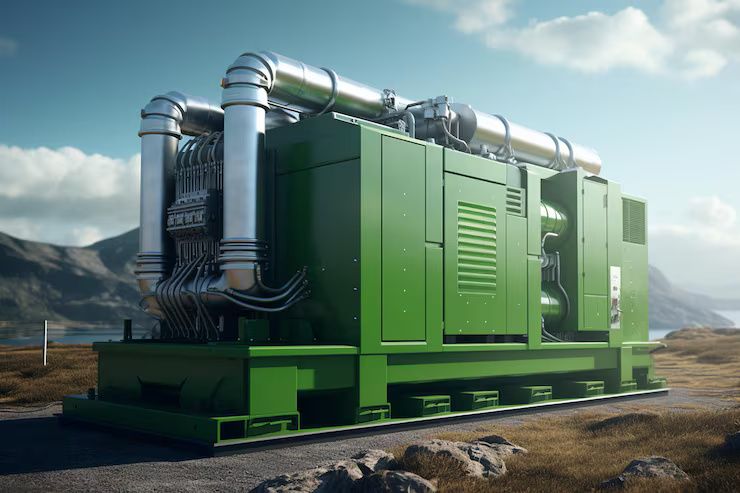
A power generator is a machine that converts mechanical energy into electrical energy. It exists to provide electricity when direct access to a centralized power grid is unavailable, unstable, or insufficient. The basic principle behind electricity generation is electromagnetic induction, where motion within a magnetic field produces electric current.
Power generators have been part of modern society for over a century, supporting early industrial activity, lighting systems, and transportation. Over time, their role expanded into residential backup power, industrial operations, healthcare systems, and remote infrastructure.
Today, generators are essential components of energy systems, ensuring continuous electricity supply across different environments.
Role of Generators in Modern Energy Systems
Generators provide electricity when grid supply is unavailable or unstable. They support both short-term backup and long-term power needs in various sectors.
This makes them critical for maintaining uninterrupted operations in many industries and households.
Importance: Why Understanding Power Generators Matters Today
Understanding how generators work is important in a world dependent on reliable electricity. Power disruptions and rising energy demand have increased the relevance of alternative power systems.
Who This Topic Affects
- Facility managers and planners
- Industrial engineers and operators
- Healthcare and emergency services
- Data and communication systems
- Households in areas with unstable electricity
Generators help address issues like power outages, voltage instability, and remote electricity access.
How Electricity Generation Works in a Power Generator
Electricity generation in a generator involves converting mechanical energy into electrical energy. This process relies on electromagnetic principles.
Key Components of a Generator
- Prime mover (engine or turbine)
- Alternator for producing electrical current
- Rotor and stator for magnetic field generation
- Voltage regulator for output stability
- Cooling and protection systems
These components work together to maintain consistent power output.
Core Generator Components and Their Role
| Component | Function | Impact on Output |
|---|---|---|
| Prime Mover | Provides mechanical motion | Determines power capacity |
| Alternator | Converts motion to electricity | Produces current |
| Voltage Regulator | Controls voltage levels | Protects equipment |
| Cooling System | Manages heat | Maintains efficiency |
| Control Panel | Monitors operation | Improves reliability |
Types of Power Generators Based on Energy Source
Generators are classified based on the energy source used to create motion. Each type is suited for specific environments and applications.
Common Generator Types
- Diesel generators for industrial and backup use
- Gas generators for lower emissions
- Hydroelectric generators using water flow
- Wind generators powered by wind energy
- Solar generators using photovoltaic systems
All these systems follow the same energy conversion principle but differ in efficiency and environmental impact.
Recent Updates: Trends in Electricity Generation (2024–2025)
Generator technology continues to evolve with a focus on efficiency, sustainability, and reliability.
Key Trends
- Adoption of hybrid generator systems
- Increased focus on grid resilience and backup systems
- Use of digital monitoring and automation
- Stricter emission standards for cleaner operation
These trends highlight the shift toward more efficient and environmentally responsible energy systems.
Laws and Policies Affecting Power Generators
Generator operation is influenced by regulations related to safety, emissions, and energy efficiency.
Key Regulatory Areas
- Emission limits for fuel-based generators
- Noise control standards
- Electrical safety codes
- Energy efficiency benchmarks
These policies ensure safe operation while balancing environmental concerns.
Tools and Resources for Understanding Generators
Various tools help users understand generator performance and plan energy usage effectively.
Helpful Tools and Resources
- Electricity load calculators
- Generator sizing charts
- Energy efficiency comparison tables
- Electrical safety manuals
- Online simulation tools
These resources support better planning and safe operation.
Power Output and Application Range
| Output Range | Typical Use Case | Power Characteristics |
|---|---|---|
| Low Output | Small devices, lighting | Short-duration supply |
| Medium Output | Commercial operations | Stable continuous load |
| High Output | Industrial facilities | Heavy and variable load |
FAQs: Common Questions About Power Generators
What is the main function of a power generator?
A generator converts mechanical energy into electrical energy using electromagnetic principles.
Does a generator create electricity on its own?
No, it converts existing mechanical energy into electrical energy.
Why is voltage regulation important?
Voltage regulation ensures stable output and protects connected devices from damage.
What determines generator capacity?
Capacity depends on the prime mover, alternator design, and system efficiency.
Are generators only used during outages?
No, they are also used for continuous power in remote or industrial settings.
Data Insight: Trends in Electricity Generation
| Generation Model | Earlier Adoption | Recent Adoption |
|---|---|---|
| Centralized Grid | Very High | High |
| Standby Generation | Moderate | High |
| Distributed Systems | Low | Increasing |
| Hybrid Generation | Limited | Growing |
This shift reflects the growing importance of distributed and flexible energy systems.
Conclusion
Power generators are essential for ensuring reliable electricity across various environments. They support industries, infrastructure, and households by providing stable and flexible power solutions.
Advancements in efficiency, digital monitoring, and sustainability continue to shape generator technology. At the same time, regulations ensure safe and responsible use.
Understanding how generators work and their role in energy systems helps support better planning, safer operation, and long-term energy reliability.