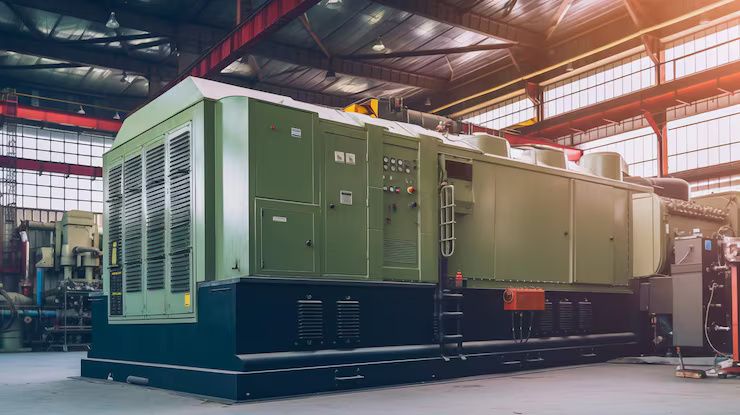
Power generators are devices that convert mechanical energy into electrical energy. They are commonly used when the main electricity supply is unavailable or unstable. From homes to hospitals and industrial facilities, generators help maintain continuous power.
The basic working principle of a generator is based on electromagnetic induction. When mechanical energy—produced by engines or turbines—is applied, it generates electricity through movement within a magnetic field.
Generators come in different types depending on their design and purpose. Some are small and portable for household use, while others are large systems designed for industrial operations. They may run on fuels such as diesel, petrol, natural gas, or renewable sources.
Importance: Why Power Generators Matter
Power generators are essential for ensuring uninterrupted electricity in situations where grid power is unavailable. They help maintain operations in homes, businesses, and critical infrastructure.
One key reason generators are important is reliability. Power outages can disrupt daily life, halt business operations, and affect essential systems like healthcare and communication.
Generators also support emergency preparedness. During unexpected situations, backup energy solutions help maintain essential functions.
Key benefits include:
- Continuity: ensures uninterrupted power during outages
- Versatility: suitable for residential, commercial, and industrial use
- Mobility: portable units can be moved easily
- Support for critical systems: maintains essential equipment
Below is a comparison of common generator types:
| Generator Type | Fuel Source | Typical Use Case | Key Feature |
|---|---|---|---|
| Diesel Generator | Diesel | Industrial, large facilities | Durable operation |
| Petrol Generator | Petrol | Small homes, portable use | Easy handling |
| Gas Generator | Natural gas/LPG | Residential, commercial | Lower emissions |
| Inverter Generator | Petrol/Gas | Sensitive electronics | Stable power output |
Recent Updates: Trends in Generator Technology
Power generator technology has evolved to meet changing energy demands and environmental concerns. One major trend is the integration of cleaner energy sources.
Hybrid generators combine traditional fuel systems with renewable energy sources such as solar power. This helps reduce fuel usage and emissions.
Another development is inverter technology. These generators produce stable electricity suitable for sensitive devices like computers.
Other trends include:
- Noise reduction for quieter operation
- Improved fuel efficiency
- Compact and portable designs
- Smart monitoring systems for performance tracking
Laws or Policies: Generator Regulations
Generator usage is influenced by environmental and safety regulations. These rules help control emissions and ensure safe operation.
In India, emission standards define acceptable pollution levels for generators. Noise regulations also apply, especially in residential areas.
Safety guidelines are important for installation and fuel handling to prevent accidents.
Key considerations include:
- Emission limits for different generator types
- Noise control requirements
- Safe installation practices
- Regular inspections for compliance
Tools and Resources: Managing Power Generators
Various tools help users manage generators efficiently. These tools improve monitoring, maintenance, and energy planning.
Generator monitoring systems provide real-time data on performance and fuel levels. Load calculators help estimate power requirements.
Other useful resources include:
- Maintenance schedules for regular servicing
- Fuel tracking systems
- Remote operation tools
- Energy management software
FAQs - Common Questions About Power Generators
Q.1. What are power generators and how do they work?
Power generators convert mechanical energy into electricity and provide backup power during outages.
Q.2. What are the main types of generators?
Common types include diesel, petrol, gas, and inverter generators, each suited for different uses.
Q.3. What is an inverter generator?
It is a generator that produces stable electricity suitable for sensitive electronic devices.
Q.4. Where are generators used?
They are used in homes, industries, hospitals, and remote locations.
Q.5. Are generators environmentally safe?
Some generators produce emissions, but newer technologies aim to reduce environmental impact.
Conclusion: Key Takeaways on Power Generators
Power generators are important for maintaining electricity during outages and in off-grid areas. They come in various types designed for different needs. Advances in technology have improved efficiency and reduced environmental impact. Regulations help ensure safe and responsible usage. Understanding generators helps in managing backup energy effectively.