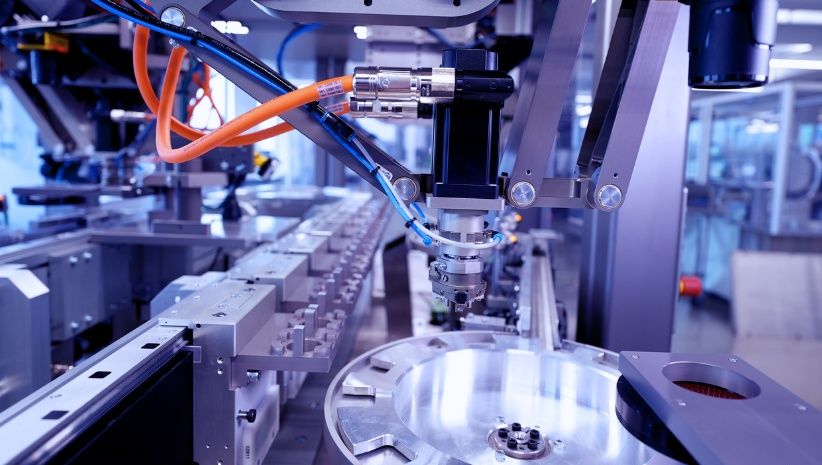
Precision in manufacturing refers to the ability to produce components and products with extremely tight tolerances, consistent dimensions, and repeatable quality. It exists because modern industries increasingly depend on accuracy, reliability, and scalability to meet production demands across complex supply chains.
Precision manufacturing combines advanced machinery, digital controls, and automated assembly systems to reduce human error and improve process stability. Automated assembly focuses on assembling parts using robotics, sensors, and programmed workflows rather than manual intervention. Together, these approaches support faster production cycles, predictable output, and higher-quality results.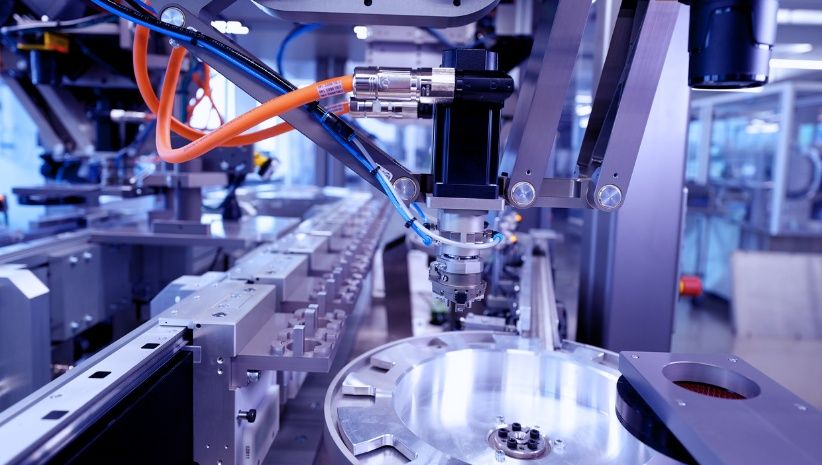
As product designs become more complex and customer expectations rise, precision manufacturing and automated assembly systems provide the foundation for efficient, data-driven production environments.
Importance: Why Precision Manufacturing Matters Across Industries
Precision manufacturing affects engineers, production managers, quality teams, and operational planners. It directly influences product reliability, manufacturing efficiency, and long-term process sustainability.
Key reasons this topic matters include:
-
Consistent product quality: Tight tolerances reduce defects and variability.
-
Higher production accuracy: Automated assembly systems improve alignment and placement precision.
-
Operational efficiency: Streamlined workflows shorten production cycles.
-
Scalable output: Automated processes adapt easily to changing volume requirements.
-
Reduced rework: Precise machining and assembly minimize correction steps.
Industries such as automotive, electronics, aerospace, medical devices, and industrial equipment rely on precision manufacturing to maintain compliance, safety, and performance standards. Industrial automation sensors and monitoring platforms further support these environments by tracking performance in real time.
Recent Updates: Developments in Automated Assembly and Manufacturing Accuracy
Recent developments in precision manufacturing focus on smarter automation and tighter integration between machines and digital systems.
Key trends observed in recent periods include:
-
Expanded use of automated assembly systems with collaborative robotics for flexible production layouts
-
Greater reliance on industrial automation sensors for real-time alignment and quality checks
-
Digital twin modeling to simulate production before physical implementation
-
Edge analytics for faster decision-making on the factory floor
-
Interoperable manufacturing platforms that connect machining, inspection, and assembly stages
These changes help organizations move toward predictive production models, where deviations are identified early and corrected before they affect output.
Laws or Policies: Regulatory Influence on Precision Manufacturing Operations
Precision manufacturing operates within regulatory frameworks that address workplace safety, equipment standards, and industrial compliance. While policies vary by country, several common themes influence automated production environments.
Typical regulatory considerations include:
-
Machine safety standards covering emergency stops, guarding, and operator protection
-
Product compliance rules requiring dimensional accuracy and traceability
-
Environmental guidelines related to energy usage and material handling
-
Digital manufacturing initiatives that encourage adoption of smart production technologies
These policies shape how automated assembly systems are designed, deployed, and monitored, especially in regulated industries such as healthcare equipment and aerospace manufacturing.
Tools and Resources: Platforms Used in Precision Manufacturing Workflows
A range of tools supports precision manufacturing and automated assembly planning. These resources help engineers evaluate performance, simulate processes, and maintain consistency across production lines.
Common tools and references include:
-
Precision manufacturing software for CAD/CAM integration and tolerance modeling
-
Manufacturing execution platforms that coordinate machine operations and production schedules
-
Data visualization dashboards displaying output, alignment metrics, and equipment status
-
Simulation environments for testing automated assembly layouts
-
Technical standards libraries outlining machining and automation guidelines
These tools support accurate production planning and help translate design intent into repeatable manufacturing outcomes.
Core Elements of Precision Manufacturing and Automated Assembly
Precision manufacturing systems typically integrate multiple technical layers working together.
| Element | Primary Role | Example Outcome |
|---|---|---|
| CNC machining | Component accuracy | Tight dimensional control |
| Automated assembly systems | Part integration | Consistent placement |
| Industrial automation sensors | Process feedback | Real-time adjustments |
| Vision inspection | Quality validation | Defect detection |
| Manufacturing analytics | Performance tracking | Production optimization |
This combination enables continuous improvement across machining and assembly stages.
FAQs
What is precision manufacturing?
Precision manufacturing focuses on producing components with tight tolerances and consistent quality using advanced machinery and digital controls.
How do automated assembly systems improve production?
Automated assembly systems increase accuracy, reduce manual handling, and support repeatable workflows across large production volumes.
Where are industrial automation sensors used in manufacturing?
Industrial automation sensors monitor alignment, temperature, vibration, and positioning to maintain process stability.
Is precision manufacturing limited to large factories?
No. Precision manufacturing principles apply to facilities of all sizes, depending on product complexity and quality requirements.
How does healthcare data analytics relate to manufacturing?
While healthcare data analytics focuses on clinical systems, similar analytics principles are applied in manufacturing to interpret production data and improve operational performance.
Conclusion: Connecting Precision Manufacturing with Modern Automated Production
Precision manufacturing and automated assembly systems form the backbone of modern industrial production. By combining advanced machinery, industrial automation sensors, and digital planning tools, organizations achieve consistent quality, scalable output, and operational clarity.
As manufacturing environments continue to evolve, precision-focused workflows enable tighter control over materials, processes, and outcomes. Understanding automated assembly basics helps organizations align engineering design with practical production realities, supporting reliable manufacturing across diverse industries.