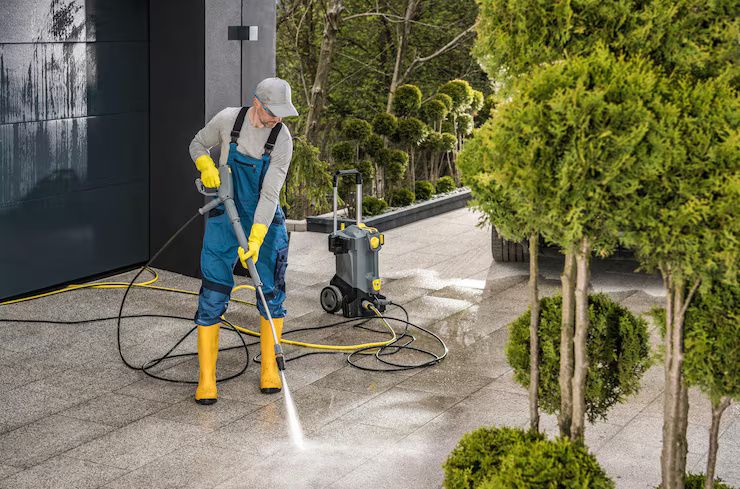
A pressure washer is a mechanical cleaning device that uses high-pressure water flow to remove dirt, grime, grease, mold, paint residue, and other unwanted materials from surfaces. Instead of manual scrubbing, the washer directs pressurized water through a nozzle to clean efficiently and uniformly.
Pressure washers exist because traditional cleaning methods often require excessive time, physical effort, and water usage. With controlled pressure and targeted flow, these machines provide faster and more consistent surface cleaning across residential, commercial, and industrial environments. They are used on hard surfaces such as concrete, metal, stone, vehicles, equipment, and exterior structures.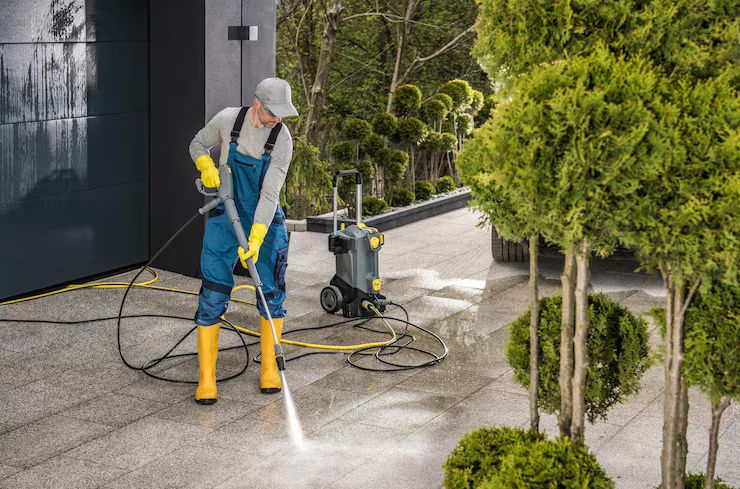
The concept is based on converting standard water flow into a high-pressure stream using pumps and motors. Over time, pressure washers have evolved from basic mechanical units into advanced systems with adjustable pressure levels, safety features, and specialized attachments.
Why Pressure Washers Matter Today
Modern environments demand efficient maintenance of surfaces for hygiene, safety, and long-term durability. Pressure washers address these needs by reducing manual labor and improving cleaning consistency.
They matter today because they help:
-
Maintain cleanliness in high-traffic areas
-
Remove stubborn contaminants without harsh chemicals
-
Reduce physical strain during surface cleaning
-
Improve visibility and safety on walkways and driveways
-
Support routine maintenance of buildings and equipment
-
Extend the lifespan of surfaces by preventing buildup damage
Pressure washers affect a wide range of users, including homeowners, facility managers, infrastructure maintenance teams, agricultural operations, and industrial sites. In many settings, surface buildup can lead to corrosion, slip hazards, or reduced operational efficiency. Pressure washing solves these problems through controlled force rather than abrasion.
In urban and industrial regions, pressure washers also support sanitation standards and environmental cleanliness by enabling targeted cleaning with measured water usage.
How Pressure Washers Work
At a basic level, a pressure washer increases water pressure using a pump powered by electricity or fuel. The pressurized water exits through a narrow nozzle, creating a concentrated stream capable of lifting and removing debris.
Main working components explained clearly
-
Water inlet: Connects to a standard water source
-
Pump: Increases water pressure using mechanical force
-
Motor or engine: Drives the pump
-
High-pressure hose: Transfers pressurized water
-
Spray gun and nozzle: Controls direction, pattern, and intensity
Different nozzle angles control spray width and pressure concentration. Wider angles distribute pressure gently, while narrow angles increase cleaning intensity.
Table: Common Pressure Washer Types and Characteristics
| Type | Power Source | Typical Application |
|---|---|---|
| Electric pressure washer | Electric motor | Light to medium cleaning |
| Gas-powered pressure washer | Combustion engine | Heavy-duty outdoor tasks |
| Cold water pressure washer | Ambient water | General surface cleaning |
| Hot water pressure washer | Heated water system | Oil and grease removal |
| Industrial pressure washer | High-capacity pump | Large-scale operations |
Recent Updates and Industry Trends
Over the past year, pressure washer technology has continued to evolve in response to efficiency and safety requirements.
Notable trends observed during 2024–2025
-
Increased adoption of electric pressure washers to reduce noise and emissions
-
Improved pump efficiency allowing consistent pressure with lower water usage
-
Growth in variable-pressure systems for multi-surface applications
-
Enhanced safety triggers and automatic shut-off mechanisms
-
Use of corrosion-resistant materials to extend machine lifespan
-
Compact designs supporting easier storage and transport
Manufacturers have also focused on ergonomic improvements such as lighter spray guns, flexible hoses, and vibration reduction. Digital pressure indicators are becoming more common, helping users monitor output accurately.
Laws, Safety Guidelines, and Policy Considerations
Pressure washer usage is influenced by workplace safety standards, environmental guidelines, and water-use regulations. While laws vary by country and region, general considerations apply widely.
Key regulatory aspects include
-
Electrical safety compliance for powered equipment
-
Noise-level guidelines in residential or public areas
-
Workplace safety rules for high-pressure machinery
-
Water discharge and runoff regulations
-
Operator safety requirements including protective equipment
In industrial and commercial environments, pressure washers are often subject to equipment safety inspections and operational guidelines to prevent injury. Improper use can cause surface damage or physical harm, so training and awareness are essential.
Environmental policies may also regulate wastewater discharge to prevent contaminants from entering drainage systems.
Tools, Attachments, and Helpful Resources
Understanding and using a pressure washer effectively often involves additional tools and reference materials.
Helpful tools and accessories
-
Adjustable spray nozzles for different pressure levels
-
Surface cleaners for large flat areas
-
Extension wands for elevated or hard-to-reach surfaces
-
Pressure gauges for monitoring output
-
Detergent injection systems for controlled application
-
Protective gloves and eye protection
Educational and planning resources
-
Pressure rating charts explaining PSI and GPM
-
Surface compatibility guides
-
Maintenance schedules for pumps and hoses
-
Safety checklists for pre-operation inspection
-
Cleaning pattern diagrams for uniform coverage
These resources help users operate equipment responsibly and achieve consistent results without surface damage.
Table: Pressure Levels and Surface Suitability
| Pressure Range | Surface Examples | Usage Consideration |
|---|---|---|
| Low pressure | Wood, painted surfaces | Prevents surface erosion |
| Medium pressure | Vehicles, decks | Balanced cleaning |
| High pressure | Concrete, metal | Deep cleaning capability |
| Very high pressure | Industrial equipment | Requires trained handling |
FAQs
What is a pressure washer used for?
A pressure washer is used to clean surfaces by removing dirt, grime, mold, grease, and residue using high-pressure water flow.
What is the difference between PSI and GPM?
PSI measures water pressure intensity, while GPM measures water flow volume. Together, they determine overall cleaning effectiveness.
Can pressure washers damage surfaces?
Yes, incorrect pressure settings or nozzle angles can damage soft materials. Matching pressure level to surface type is essential.
Are electric pressure washers different from gas-powered ones?
Electric models are quieter and suitable for moderate cleaning, while gas-powered units deliver higher pressure for demanding tasks.
Is water consumption higher with pressure washers?
Despite higher pressure, controlled flow often results in more efficient water usage compared to traditional hose cleaning.
Conclusion
Pressure washers play a significant role in modern cleaning and maintenance practices. By combining water pressure with controlled delivery, they provide an effective solution for surface cleaning across residential, commercial, and industrial settings.
Understanding how pressure washers work, where they are most effective, and how to use them safely allows users to achieve consistent results while protecting surfaces and equipment. Recent advancements continue to improve efficiency, safety, and adaptability, making pressure washers a practical tool in today’s maintenance landscape.
With proper knowledge, correct pressure selection, and adherence to safety guidelines, pressure washers remain a reliable method for maintaining cleanliness, durability, and operational efficiency across many environments.