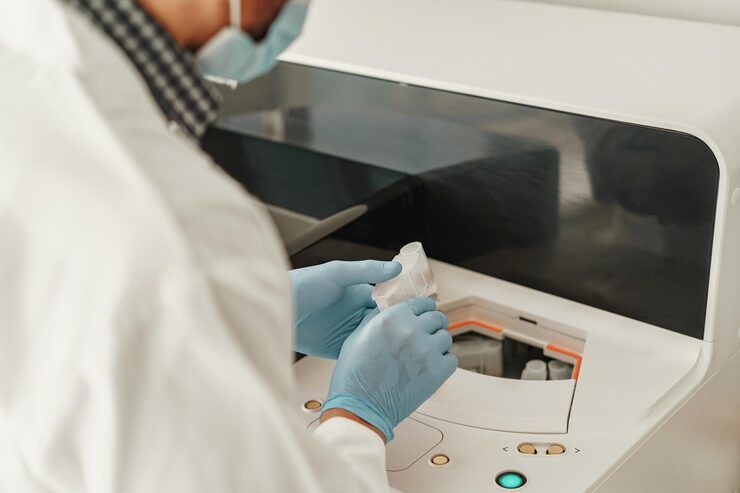
Ultra-low temperature (ULT) freezers are specialized laboratory equipment designed to store biological samples, vaccines, enzymes, and sensitive materials at temperatures typically ranging from −40°C to −86°C. These freezers play a critical role in scientific research, healthcare, pharmaceuticals, and biotechnology by preserving sample integrity over extended periods. Without proper temperature control, biological materials can degrade, leading to inaccurate results or loss of valuable data.
In recent years, the importance of ULT freezers has grown significantly due to advancements in life sciences, vaccine development, and global health initiatives. The COVID-19 pandemic highlighted the need for reliable cold storage infrastructure, particularly for mRNA vaccines requiring ultra-low temperatures. Additionally, increased investments in genomics, biobanking, and drug discovery have expanded the demand for efficient and energy-optimized storage solutions.
Trends such as energy efficiency improvements, digital monitoring systems, and sustainable refrigerants are reshaping the ULT freezer market. These innovations not only reduce operational costs but also address environmental concerns, making modern freezers more compliant with global sustainability standards. As laboratories scale operations, choosing the right ULT freezer becomes a critical decision impacting both performance and compliance.
Who It Affects and What Problems It Solves
ULT freezers impact a wide range of sectors, including research laboratories, hospitals, pharmaceutical companies, biotechnology firms, and academic institutions. Scientists rely on these systems to store DNA, RNA, proteins, and cell cultures without degradation. Hospitals use them for preserving blood samples, vaccines, and diagnostic materials. Biobanks depend on long-term stability to maintain sample quality for future research.
In emerging economies, the expansion of healthcare infrastructure has further increased reliance on cold storage systems. Regulatory bodies and research institutions also depend on consistent storage environments to maintain data reliability and reproducibility.
Problems It Solves
- Sample Degradation: Prevents breakdown of sensitive biological materials due to temperature fluctuations
- Data Loss: Ensures research accuracy by maintaining sample integrity over time
- Regulatory Compliance: Meets storage requirements for clinical and pharmaceutical standards
- Vaccine Stability: Enables safe storage of temperature-sensitive vaccines and medicines
- Operational Efficiency: Reduces risk of repeated experiments due to compromised samples
ULT freezers essentially act as a safeguard, ensuring that scientific and medical efforts are not compromised by environmental factors.
Recent Updates and Trends
Over the past year, several developments have influenced the ULT freezer landscape:
- Energy Efficiency Improvements: Newer models consume significantly less energy compared to older units. Manufacturers are integrating inverter compressors and improved insulation technologies.
- Natural Refrigerants: There is a shift toward hydrocarbon refrigerants that reduce environmental impact and comply with global climate agreements.
- Digital Monitoring Systems: Cloud-based temperature tracking and alert systems are becoming standard, allowing real-time monitoring and predictive maintenance.
- Noise Reduction: Advances in compressor design have reduced noise levels, making freezers more suitable for shared lab environments.
- Supply Chain Expansion: Governments and private sectors are investing in cold chain infrastructure, especially in developing countries, to support healthcare and vaccine distribution.
These trends indicate a move toward smarter, greener, and more reliable storage solutions.
Ultra-Low Temperature Freezer Comparison Table
| Feature | Standard ULT Freezer | Energy-Efficient ULT Freezer | Smart/Connected ULT Freezer |
|---|---|---|---|
| Temperature Range | −40°C to −86°C | −40°C to −86°C | −40°C to −86°C |
| Energy Consumption | High | Moderate to Low | Optimized with monitoring |
| Monitoring | Manual | Basic digital | Real-time cloud monitoring |
| Initial Cost | Moderate | Higher | High |
| Maintenance | Standard | Reduced frequency | Predictive maintenance |
| Environmental Impact | Moderate | Lower (eco refrigerants) | Lowest (optimized systems) |
| Best Use Case | Small labs | Medium-scale facilities | Large labs & biobanks |
Laws and Policies
ULT freezers are influenced by various regulations and standards, particularly in countries like India, the United States, and those in the European Union.
Regulatory Considerations
- Biomedical Waste and Storage Guidelines: Laboratories must follow national health regulations for storing biological samples safely.
- Pharmaceutical Compliance: Storage of drugs and vaccines must meet Good Manufacturing Practice (GMP) and Good Laboratory Practice (GLP) standards.
- Energy Efficiency Standards: Governments encourage the adoption of energy-efficient appliances through guidelines and incentives.
- Environmental Policies: Restrictions on harmful refrigerants are driving the adoption of eco-friendly alternatives.
Practical Guidance
- Use certified ULT freezers for clinical or pharmaceutical applications
- Ensure temperature validation and documentation for audits
- Choose energy-efficient models to align with sustainability policies
- Maintain logs and monitoring systems to meet compliance requirements
Adhering to these regulations ensures both safety and operational reliability.
Tools and Resources
Several tools and resources can help manage and optimize ULT freezer usage:
- Temperature Monitoring Software: Cloud-based platforms for real-time tracking and alerts
- Energy Consumption Calculators: Tools to estimate operational costs and efficiency
- Maintenance Checklists: Templates for routine inspection and servicing
- Laboratory Information Management Systems (LIMS): Integrate sample tracking with storage data
- Data Loggers: Devices that record temperature history for compliance and analysis
- Training Modules: Online courses for lab personnel on cold storage best practices
These resources help laboratories improve efficiency, reduce risks, and maintain compliance.
Frequently Asked Questions
What is an ultra-low temperature freezer used for?
ULT freezers are used to store biological samples, vaccines, and chemicals at extremely low temperatures to prevent degradation and maintain stability.
Why are −80°C freezers commonly used in laboratories?
Temperatures around −80°C slow down enzymatic and chemical reactions, making them ideal for long-term storage of biological materials.
How much energy does a ULT freezer consume?
Energy consumption varies by model, but traditional units can use as much energy as a small household. Newer energy-efficient models significantly reduce usage.
What factors should be considered when choosing a ULT freezer?
Key factors include temperature range, energy efficiency, storage capacity, monitoring features, and compliance requirements.
How often should ULT freezers be maintained?
Routine maintenance is typically recommended every 3–6 months, along with continuous monitoring to ensure optimal performance.
Conclusion
Ultra-low temperature freezers are essential tools in modern science and healthcare, ensuring the preservation of critical samples and materials. With increasing demand driven by research, vaccine storage, and biotechnology advancements, the role of ULT freezers continues to expand. Data-driven trends show a clear shift toward energy-efficient, environmentally friendly, and digitally connected systems.
From a practical standpoint, selecting the right ULT freezer depends on balancing performance, compliance, and operational costs. Energy-efficient and smart freezers may require higher initial investment but offer long-term savings and reliability. For smaller laboratories, standard models may still meet basic needs effectively.
Overall, the best approach is to align freezer selection with specific use cases, regulatory requirements, and sustainability goals. By doing so, organizations can protect valuable samples while optimizing efficiency and ensuring compliance in an evolving scientific landscape.