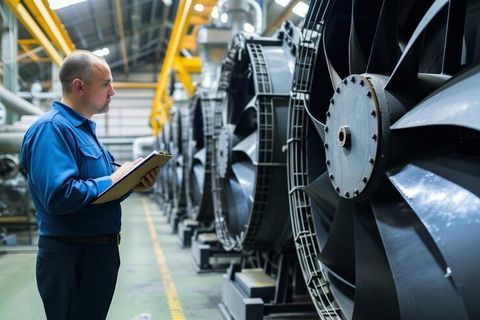
Pump systems are mechanical assemblies designed to move fluids such as water, oil, chemicals, or wastewater from one place to another. They are used in residential, commercial, agricultural, and industrial environments.
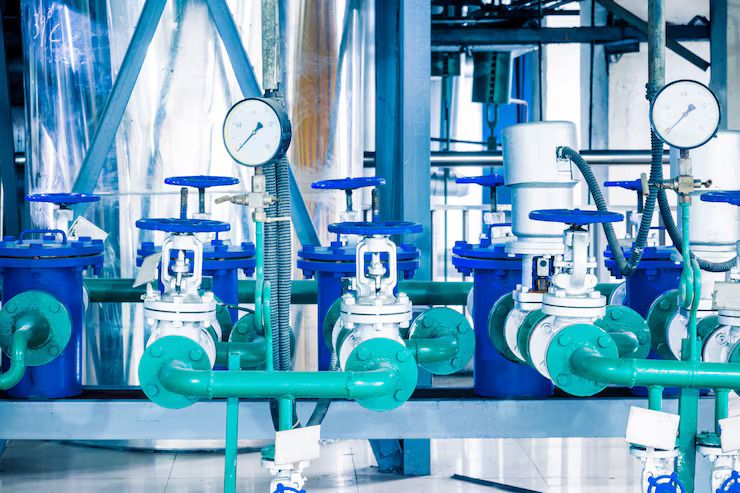
A pump system is designed to transfer fluids efficiently from one place to another. It typically includes components such as a pump unit, motor, pipes, valves, control panels, and monitoring instruments.
Pump systems are used in a wide range of applications, including water supply, industrial cooling, irrigation, and wastewater management. Their primary function is to ensure controlled and consistent movement of liquids.
Core Components of a Pump System
A standard pump system includes:
- Pump unit (centrifugal or positive displacement)
- Motor or power source
- Pipes and valves
- Control panel
- Monitoring instruments
Importance of Pump Systems
Pump systems play a vital role in infrastructure, agriculture, and industrial operations.
Water Supply and Wastewater Management
Municipal systems rely on pumps to transport clean water and manage sewage. These systems are essential for sanitation and public health.
Industrial Production
Manufacturing industries use pump systems to regulate pressure, circulate fluids, and control temperature. This ensures smooth and efficient production processes.
Energy Efficiency
Modern pumps are designed to reduce energy consumption. Efficient pump systems can significantly lower electricity usage in industrial facilities.
Agriculture and Irrigation
Pumps are widely used in agriculture to supply water for crops. Submersible and irrigation pumps support farming operations, especially in rural areas.
Problem-Solving Role
Pump systems help address several operational challenges:
- Maintaining consistent water pressure
- Managing flooding
- Supporting fire protection systems
- Enabling cooling in machinery
Types of Pump Systems
Centrifugal Pumps
These pumps use rotating impellers to move fluid. They are commonly used in water supply systems and HVAC applications.
Positive Displacement Pumps
These pumps move fluid by trapping and forcing a fixed amount through the system. Examples include gear pumps and diaphragm pumps.
Submersible Pumps
Installed underwater, submersible pumps are used in borewells, drainage systems, and sewage systems.
Hydraulic Pump Systems
Hydraulic pumps convert mechanical energy into hydraulic energy. They are widely used in heavy machinery and industrial equipment.
Comparison Table: Pump Categories
| Pump Type | Typical Use Case | Pressure Capability | Maintenance Level |
|---|---|---|---|
| Centrifugal Pump | Water supply & HVAC | Moderate | Low to Moderate |
| Positive Displacement | Chemical transfer | High | Moderate |
| Submersible Pump | Drainage & borewells | Moderate | Low |
| Hydraulic Pump | Industrial machinery | High | Moderate to High |
How Pump Systems Work
Pump systems convert mechanical energy into fluid movement. In a centrifugal pump:
- The motor rotates an impeller
- The impeller increases fluid velocity
- Pressure pushes fluid through discharge pipes
- Valves regulate flow and pressure
Sensors and monitoring systems help maintain performance and prevent issues such as overheating or pressure imbalance.
Recent Updates (2025–2026)
The pump industry has seen several advancements in recent years.
Smart Pump Monitoring (2025)
IoT-based monitoring systems are now widely used. These systems provide real-time data on pressure, temperature, and vibration.
Energy Efficiency Standards (Late 2025)
Regulations have introduced stricter efficiency requirements for motors used in pump systems.
Sustainable Water Management (2026)
Governments are investing in wastewater recycling and water conservation systems. This increases demand for efficient pump technologies.
Digital Control Integration
Modern control panels now include predictive maintenance tools. These systems help detect faults early and reduce downtime.
Laws and Policies
Pump systems are regulated by industrial, environmental, and safety standards.
Energy Regulations
Authorities set efficiency standards for motors used in pump systems. These regulations aim to reduce energy consumption.
Environmental Protection
Regulations ensure proper wastewater management and water quality control. These rules help protect ecosystems.
Workplace Safety
Pump installations must follow safety guidelines to protect workers and equipment.
Regional Policies
Different regions implement policies to improve water infrastructure and energy efficiency. These policies support sustainable development.
Tools and Resources
Various tools help manage and optimize pump systems.
Pump Selection Software
- Sizing tools
- Flow rate calculators
- Pressure calculation templates
Energy Efficiency Tools
- Motor efficiency calculators
- Power consumption analysis software
Monitoring Platforms
- IoT dashboards
- Vibration analysis systems
- Predictive maintenance tools
Standards and Guidelines
- Technical standards documentation
- Government energy efficiency portals
Maintenance Tools
- Inspection checklists
- Digital service logs
- Spare parts tracking systems
Maintenance Overview
| Maintenance Task | Purpose |
|---|---|
| Inspect Seals | Prevent leakage |
| Check Bearings | Reduce friction damage |
| Monitor Vibration | Detect imbalance |
| Clean Filters | Maintain flow rate |
| Review Wiring | Ensure safe operation |
FAQs
What is the difference between pump types?
Centrifugal pumps use rotating impellers, while positive displacement pumps move a fixed volume of fluid per cycle.
Why is pump efficiency important?
Efficient pumps reduce energy consumption and operational costs.
Where are hydraulic pumps used?
They are commonly used in construction, manufacturing, and heavy machinery.
How often should pumps be maintained?
Maintenance schedules depend on usage but are typically performed regularly in industrial settings.
Can smart systems prevent failures?
Yes, predictive monitoring systems can detect early signs of faults and help prevent breakdowns.
Conclusion
Pump systems are essential for fluid transfer in modern infrastructure and industry. They support water supply, manufacturing, agriculture, and energy systems through efficient fluid movement.
Recent advancements include smart monitoring technologies, improved energy efficiency, and stricter regulatory standards. These developments enhance reliability and sustainability.
Understanding pump types, system components, and maintenance practices helps ensure effective operation. As technology continues to evolve, pump systems remain critical to supporting global infrastructure and industrial processes.