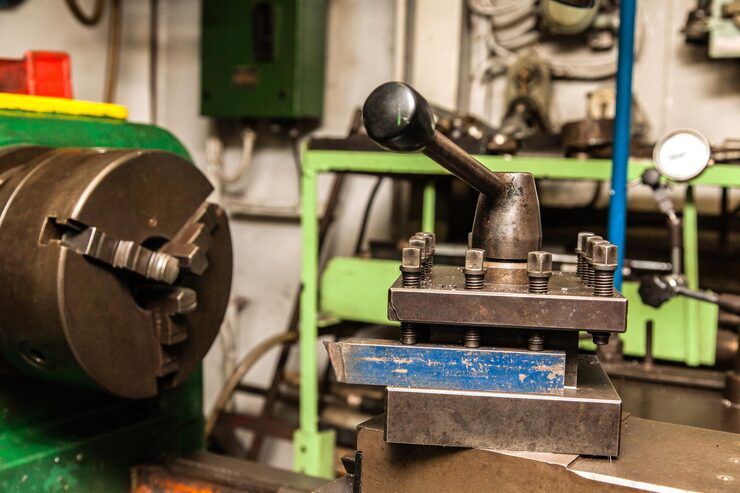
Punch press machines are essential tools in metal forming and fabrication operations, used to cut, shape, or punch holes in sheet metal with precision and speed. These machines apply force through a punch and die system, enabling the creation of consistent and repeatable shapes across large production volumes. Commonly used in industries such as automotive, construction, electronics, and appliance manufacturing, punch presses form the backbone of many fabrication processes.
In recent years, advancements in automation, computer numerical control (CNC), and tooling technology have significantly improved the efficiency and accuracy of punch press machines. Modern systems can handle complex designs, reduce material waste, and operate at higher speeds compared to traditional setups. This comparison between conventional and advanced punch press machines is important as manufacturers seek to optimize production costs, improve quality, and remain competitive in global markets.
Understanding punch press basics helps operators, engineers, and decision-makers select appropriate machinery, ensure safety, and improve overall fabrication efficiency.
Who It Affects and What Problems It Solves
Punch press machines impact a wide range of stakeholders within the manufacturing ecosystem. Fabrication workshops rely on them for producing components with precise dimensions. Large-scale manufacturers use punch presses for mass production of metal parts, ensuring uniformity and speed. Engineers and designers depend on these machines to translate technical drawings into physical components efficiently.
Operators and technicians are directly involved in machine handling, setup, and maintenance. Their skill level influences production quality and safety. Business owners and plant managers also benefit from improved productivity and reduced operational costs when using efficient punch press systems.
Problems It Solves
- Manual Cutting Limitations: Eliminates inconsistencies associated with manual metal cutting
- Low Production Speed: Enables high-speed mass production
- Material Waste: Optimized tooling reduces scrap generation
- Precision Challenges: Ensures accurate and repeatable results
- Labor-Intensive Processes: Reduces dependency on manual labor
- Complex Design Execution: CNC punch presses can handle intricate patterns
Punch press machines streamline fabrication processes, making them more efficient, consistent, and scalable.
Recent Updates and Industry Trends
The punch press machine industry has evolved significantly in the past year:
- CNC Integration: Increased adoption of CNC punch presses for automated and programmable operations
- Servo-Driven Technology: Improved energy efficiency and control compared to mechanical systems
- Tooling Advancements: Enhanced tool life and versatility for complex shapes
- Industry 4.0 Adoption: Real-time monitoring and data analytics for predictive maintenance
- Compact Machine Designs: Space-saving solutions for small and medium workshops
- Sustainability Focus: Reduced material waste and energy consumption
India’s manufacturing sector is also embracing modernization through government initiatives that promote advanced machinery and automation.
Comparison Table: Types of Punch Press Machines
| Type of Machine | Key Features | Applications |
|---|---|---|
| Mechanical Punch Press | High speed, flywheel-driven | Mass production of simple parts |
| Hydraulic Punch Press | Controlled force, adjustable pressure | Thick materials and precision operations |
| CNC Punch Press | Automated, programmable, high precision | Complex and customized designs |
| Turret Punch Press | Multiple tooling stations for versatility | Sheet metal fabrication |
| Servo Punch Press | Energy-efficient, precise motion control | Advanced manufacturing applications |
Laws, Policies, and Government Regulations
Punch press machines are regulated to ensure workplace safety and operational standards.
Key Regulations
- Factories Act (India): Covers safety measures for machinery operation
- Occupational Safety Standards: Require machine guarding, emergency stops, and operator training
- Noise and Vibration Standards: Ensure safe working conditions
- Machine Certification: Equipment must comply with industrial safety and quality standards
Practical Guidance
- Workshops and Factories: Must implement safety guards and regular inspections
- Operators: Should receive proper training and follow safety protocols
- High-Volume Production Units: Advanced machines with safety automation are recommended
- Compliance: Reduces risk of accidents and ensures regulatory adherence
Adhering to these regulations helps maintain safe and efficient fabrication environments.
Tools and Resources
Various tools and resources support efficient punch press operations:
Digital Tools
- CNC programming software for design and automation
- Production monitoring systems for real-time tracking
Maintenance Tools
- Tool sharpening and replacement systems
- Preventive maintenance scheduling software
Training Resources
- Operator certification programs
- Technical training workshops
Industry Resources
- Fabrication design guidelines
- Equipment manuals and technical documentation
Planning Tools
- Material optimization software
- Cost estimation tools for production planning
These resources help improve productivity, reduce downtime, and ensure high-quality output.
Frequently Asked Questions (FAQ)
What is a punch press machine?
A punch press machine is a device used to cut or shape sheet metal by applying force through a punch and die.
What is the difference between hydraulic and mechanical punch presses?
Hydraulic presses offer better control and are suitable for thicker materials, while mechanical presses are faster and ideal for high-volume production.
What industries use punch press machines?
Industries such as automotive, electronics, construction, and appliance manufacturing use these machines.
Is CNC punch press better than traditional machines?
CNC punch presses provide higher precision, automation, and flexibility for complex designs.
How can safety be ensured in punch press operations?
Safety can be ensured through proper training, machine guarding, regular maintenance, and adherence to safety regulations.
Conclusion
Punch press machines are a fundamental part of metal forming and fabrication operations, enabling efficient, precise, and scalable production. Advances in CNC technology, servo systems, and automation have significantly improved their performance and usability.
Data-driven insights indicate that modern punch press machines reduce material waste, improve production speed, and enhance product quality. While traditional machines remain useful for simpler tasks, advanced systems are increasingly preferred for complex and high-volume manufacturing.
For businesses aiming to improve efficiency and competitiveness, investing in modern punch press technology offers long-term benefits. The choice of machine depends on production requirements, material type, and budget, but overall, punch press systems continue to play a vital role in industrial fabrication processes.