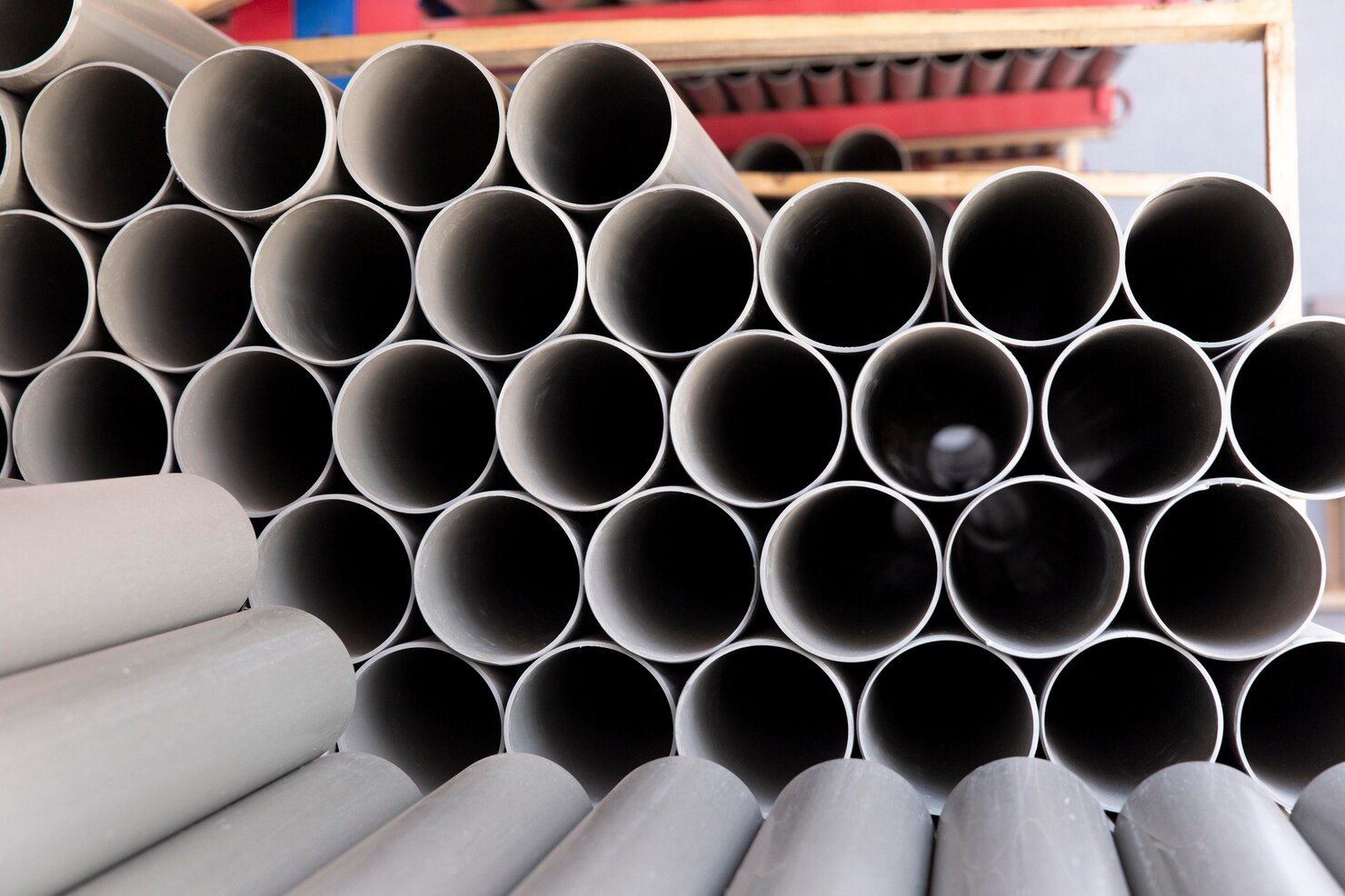
PVC pipe belling machines are specialized industrial systems used in plastic pipe manufacturing. Their primary function is to create a socket or bell shape at the end of a PVC pipe. This expanded end allows another pipe to fit inside it, forming a secure joint in pipeline systems.
In many infrastructure and construction projects, pipelines must connect seamlessly. Belling machines enable this connection by heating the pipe end and reshaping it with molds. The process produces a uniform socket that ensures proper alignment and stability during installation.
The technology behind pipe belling has evolved alongside the expansion of water supply networks, drainage systems, and irrigation infrastructure. As PVC pipes became widely adopted due to their durability and corrosion resistance, specialized machines were developed to automate the socket formation process.
Modern PVC pipe belling machines typically include automated heating systems, precision molds, cooling units, and control panels that regulate the shaping cycle. These components work together to produce consistent pipe ends suitable for large-scale infrastructure projects.
Industries such as municipal water systems, sewage networks, agriculture irrigation, and building construction rely heavily on standardized pipe joints. The belling process helps manufacturers maintain these standards efficiently during mass production.
Why PVC Pipe Belling Technology Matters Today
PVC pipes are widely used across global infrastructure systems. As urban populations grow and new construction projects increase, the demand for reliable pipe connections has become more important than ever.
Pipe belling technology supports this demand by enabling manufacturers to produce strong, uniform pipe sockets. Proper socket formation ensures that pipelines remain stable during installation and long-term operation.
Several industries benefit from this manufacturing technology:
- Water supply and distribution networks
- Sewage and drainage infrastructure
- Agricultural irrigation systems
- Industrial fluid transport systems
- Building plumbing systems
One key advantage of belling machines is their ability to produce consistent joint shapes. Standardized pipe sockets reduce the likelihood of misalignment during installation.
Another benefit is manufacturing efficiency. Automated machines allow factories to process large volumes of pipes while maintaining uniform quality. This helps pipe manufacturers meet infrastructure demands without sacrificing production accuracy.
The technology also contributes to system reliability. Well-formed pipe sockets help maintain tight connections that resist leakage and structural movement in underground networks.
As many countries continue to invest in water infrastructure and sanitation improvements, pipe manufacturing technologies such as belling machines remain essential components of modern industrial production.
Recent Updates and Technology Trends
Over the past year, several developments have influenced the design and operation of PVC pipe belling machines.
Manufacturers have focused on automation, energy efficiency, and digital monitoring systems. These improvements aim to increase production efficiency while maintaining consistent product quality.
Key technology trends observed in 2024–2025 include:
• Smart control systems
New machines incorporate digital PLC control panels that monitor heating temperature, shaping pressure, and cooling time.
• Energy-efficient heating units
Updated infrared and ceramic heating systems reduce energy consumption during the pipe expansion process.
• Automated pipe handling systems
Robotic pipe feeding and extraction units help maintain continuous production cycles.
• Integrated quality monitoring
Sensors now measure pipe diameter, socket depth, and alignment during the shaping process.
• Flexible mold designs
Adjustable molds allow manufacturers to process different pipe diameters on the same machine.
Example of typical production parameters
| Parameter | Typical Range |
|---|---|
| Pipe Diameter | 50 mm – 630 mm |
| Heating Temperature | 120–180°C |
| Socket Formation Time | 15–40 seconds |
| Cooling Duration | 10–30 seconds |
| Production Capacity | 300–900 pipes per hour |
These innovations are helping pipe manufacturing plants improve throughput and reduce operational downtime.
Digital integration has also made it easier for factories to track machine performance data. Monitoring software can identify temperature deviations or process irregularities that might affect socket quality.
Industry analysts also report increasing interest in environmentally efficient equipment. Many manufacturers are exploring heating technologies that lower energy usage while maintaining stable pipe expansion temperatures.
Laws and Regulations Affecting Pipe Manufacturing
PVC pipe production and socket formation are influenced by several international and national standards. These standards ensure that pipes used in infrastructure systems meet safety and durability requirements.
Regulations often specify the dimensions, pressure resistance, and material properties of PVC pipes. Belling machines must produce sockets that comply with these technical standards.
Common standards referenced in pipe manufacturing include:
- ISO 1452 – PVC piping systems for water supply
- ASTM D2672 – Socket dimensions and pipe fitting standards
- EN 1401 – PVC pipes used in underground drainage systems
These guidelines help maintain compatibility between pipes and fittings manufactured in different regions.
Government infrastructure programs also influence pipe manufacturing demand. Many countries have expanded investment in water distribution and sanitation systems over the past decade.
For example:
- India’s Jal Jeevan Mission aims to expand rural drinking water networks.
- European infrastructure programs focus on upgrading aging water pipelines.
- North American municipal projects continue replacing older metal pipelines with PVC alternatives.
Such programs increase the need for standardized pipe manufacturing technologies.
Environmental policies also influence material production. Regulations may address recycling practices, emissions from plastic processing plants, and responsible material sourcing.
Manufacturers therefore adapt their equipment and processes to meet both industrial standards and environmental requirements.
Tools and Resources for Understanding Pipe Manufacturing Systems
Professionals and researchers studying pipe manufacturing often rely on technical resources and software tools. These resources help analyze pipe design, monitor production processes, and evaluate equipment performance.
Several useful categories of tools include:
Engineering and Design Software
- CAD software used to design pipe molds and mechanical systems
- Simulation tools for testing pipe stress and pressure resistance
- Industrial automation software for monitoring production equipment
Technical Standards Databases
- ISO standards documentation platforms
- ASTM technical specification libraries
- Engineering handbooks for plastic pipe systems
Educational Resources
- Manufacturing technology research journals
- Industrial engineering textbooks
- Polymer processing training materials
Process Monitoring Tools
Modern pipe manufacturing plants often use digital dashboards to track machine parameters.
Example monitoring indicators:
| Monitoring Indicator | Purpose |
|---|---|
| Heating temperature tracking | Ensures proper pipe expansion |
| Socket depth measurement | Maintains dimensional accuracy |
| Cycle time monitoring | Tracks production efficiency |
| Mold alignment sensors | Prevents uneven socket shapes |
These tools help engineers maintain consistent pipe quality throughout production cycles.
Access to technical resources also allows manufacturers to improve machine design and optimize process performance.
Frequently Asked Questions
What is the main function of a PVC pipe belling machine?
A PVC pipe belling machine expands the end of a pipe to create a socket. This socket allows another pipe to fit into it, forming a connection used in pipeline systems.
Why is socket formation important in PVC pipelines?
Socket formation ensures pipes connect securely. Properly shaped sockets help maintain alignment and stability in water, drainage, and irrigation networks.
What industries commonly use PVC pipe belling machines?
Industries that rely on pipeline systems frequently use these machines. Examples include water supply infrastructure, sewage management, agriculture irrigation, and building plumbing systems.
How does the pipe belling process work?
The machine heats the pipe end to soften the material. A mold then expands the heated section to form the socket shape. Cooling units stabilize the new structure before the pipe exits the machine.
Are modern pipe belling machines automated?
Many modern machines include automated control systems. These systems regulate temperature, shaping pressure, and cooling cycles to maintain consistent socket dimensions during production.
Conclusion
PVC pipe belling machines play a vital role in modern pipe manufacturing. By shaping pipe ends into standardized sockets, these machines enable reliable connections within pipeline systems used across infrastructure projects.
The technology supports industries that depend on large-scale water distribution, sanitation networks, and agricultural irrigation. Automation and digital monitoring have improved the efficiency and precision of the socket formation process.
Recent developments in machine design emphasize energy efficiency, flexible mold systems, and integrated quality monitoring. These advancements help manufacturers maintain consistent pipe standards while adapting to growing infrastructure demands.
Regulatory frameworks and international standards continue to shape the design and operation of pipe manufacturing equipment. Compliance with these standards ensures that pipes used in construction and public infrastructure remain reliable and compatible across different systems.
As global infrastructure projects expand, the importance of accurate pipe manufacturing technologies remains significant. Understanding how PVC pipe belling machines operate provides valuable insight into one of the key processes behind modern pipeline production.