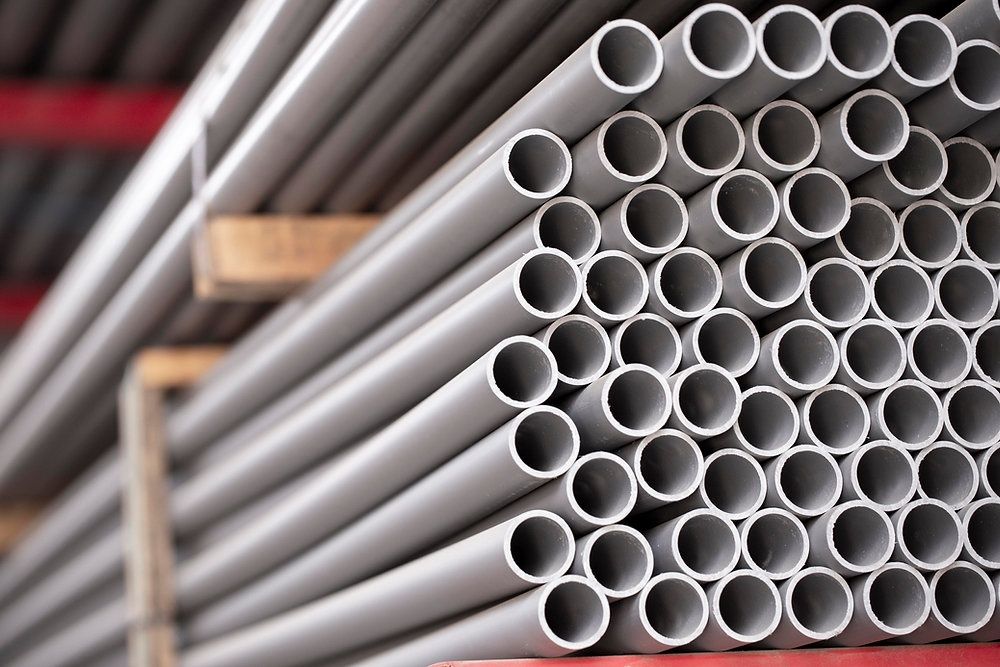
PVC pipes are rigid plastic piping systems made from polyvinyl chloride, widely used to transport water, wastewater, and other fluids across residential, commercial, and industrial environments. They exist because traditional metal piping often faced challenges such as corrosion, weight, and limited flexibility in installation.
The development of PVC pipes provided an alternative that is lightweight, chemically resistant, and easier to handle during construction projects. Over time, PVC piping systems became common in plumbing networks, drainage layouts, irrigation lines, and industrial fluid transport.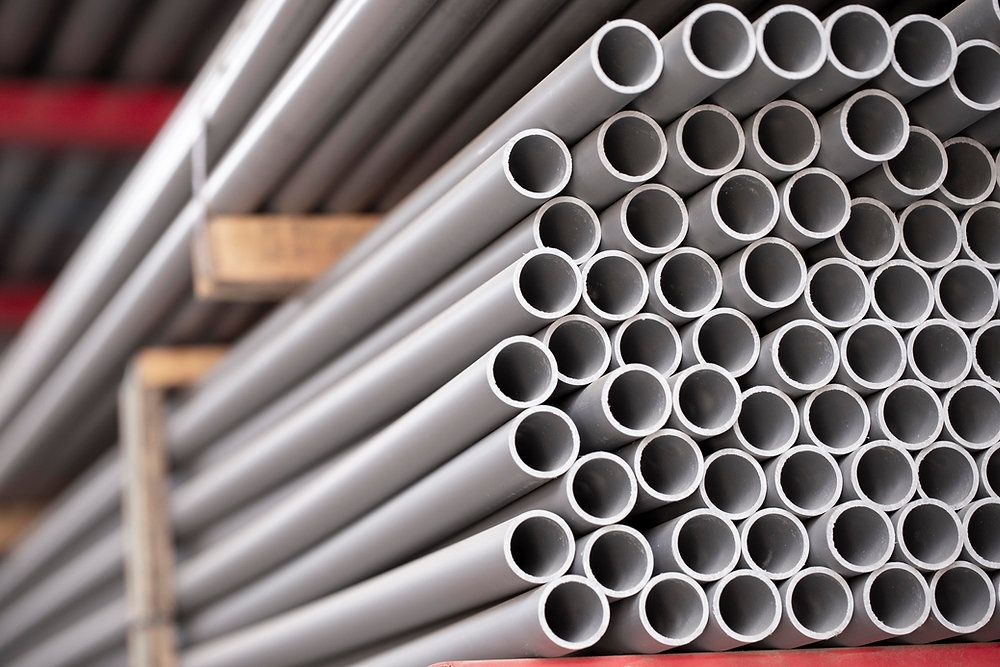
Today, PVC pipe systems are recognized for their adaptability across multiple applications. From building infrastructure to agricultural distribution networks, these pipes support consistent flow while maintaining structural integrity under varied operating conditions.
Importance: Why PVC Pipes Matter Across Construction and Utility Projects
PVC pipes play a critical role in how water and fluids move through modern infrastructure. They affect homeowners, builders, engineers, facility managers, and municipal planners who depend on reliable piping for daily operations.
Their importance is driven by several practical advantages:
-
Corrosion resistance: PVC pipes do not rust, making them suitable for long-term underground and indoor use.
-
Lightweight handling: Easier transportation and positioning simplify installation processes.
-
Versatile applications: Used in plumbing, irrigation, drainage, and industrial piping layouts.
-
Consistent flow performance: Smooth internal surfaces reduce friction losses.
-
Scalable design: PVC pipe networks can expand as projects grow.
In industrial environments, industrial PVC pipes support chemical handling and process flows, while in residential settings they form the backbone of plumbing and wastewater systems. These characteristics explain why PVC remains a standard material across construction sectors.
Recent Updates: Developments in PVC Pipe Design and Installation Practices
Recent developments in PVC pipe usage focus on performance optimization, sustainability, and installation efficiency rather than basic material changes.
Common trends observed in recent periods include:
-
Improved jointing techniques: Enhanced fitting designs help reduce leakage risks.
-
Expanded pressure-rated options: New classifications support higher operational demands.
-
Material optimization: Manufacturers continue refining formulations to improve durability and flexibility.
-
Standardized sizing systems: Greater alignment across pipe dimensions supports compatibility between components.
-
Installation guidance updates: Practical installation knowledge increasingly emphasizes alignment, bedding preparation, and expansion allowances.
These developments aim to make PVC plumbing pipes more adaptable to diverse construction environments while maintaining predictable performance.
Laws or Policies: Regulatory Considerations Affecting PVC Pipe Use
PVC pipes are governed by building codes, safety standards, and material regulations that vary by region and application. These frameworks help ensure pipes are used appropriately within water systems, drainage networks, and industrial environments.
Common regulatory areas include:
-
Building codes: Define approved pipe sizes, pressure ratings, and placement methods.
-
Water quality standards: Specify acceptable materials for potable water transport.
-
Environmental guidelines: Address disposal practices and material sustainability.
-
Industrial compliance rules: Outline requirements for chemical resistance and pressure tolerance.
These policies influence how PVC pipe installation is planned and executed, ensuring safety, compatibility, and long-term reliability within infrastructure projects.
Tools and Resources: References for PVC Pipe Installation and Planning
Several practical tools and reference materials support effective PVC pipe installation and system planning. These resources help professionals and learners understand layout requirements and material behavior.
Commonly used tools and references include:
-
Pipe sizing charts for matching flow needs with diameter options
-
Pressure rating tables for selecting appropriate pipe classes
-
Cutting and alignment guides to support accurate pipe preparation
-
Expansion calculation references for managing temperature-related movement
-
Standards documentation outlining joining methods and layout recommendations
These tools help ensure PVC pipe installation aligns with technical expectations and project specifications.
Common Types of PVC Pipes and Their Typical Uses
PVC pipes are available in multiple formats, each suited to specific environments and flow requirements.
| PVC Pipe Type | Primary Application | Key Characteristic |
|---|---|---|
| Schedule PVC pipes | Plumbing and drainage | Defined wall thickness |
| Pressure PVC pipes | Water distribution | Higher pressure tolerance |
| Industrial PVC pipes | Chemical handling | Enhanced resistance |
| Electrical conduit PVC | Cable routing | Non-conductive protection |
| Agricultural PVC pipes | Irrigation systems | Lightweight field installation |
Understanding types of PVC pipes helps users match materials with operational needs, improving performance and longevity.
FAQs
What are PVC pipes commonly used for?
PVC pipes are widely used for plumbing, drainage, irrigation, electrical conduit routing, and industrial fluid transport.
How do PVC plumbing pipes differ from industrial PVC pipes?
PVC plumbing pipes typically handle water and wastewater, while industrial PVC pipes are designed for more demanding environments such as chemical processing.
What factors influence PVC pipe installation quality?
Proper alignment, joint preparation, bedding support, and allowance for expansion all affect installation outcomes.
Are there different pressure ratings for PVC pipe systems?
Yes. PVC pipes are classified by pressure ratings, which indicate how much internal force they can safely handle.
Why is pipe sizing important in PVC systems?
Correct sizing ensures efficient flow, prevents pressure buildup, and supports long-term system reliability.
Conclusion: Understanding PVC Pipes in Practical Construction Contexts
PVC pipes remain a fundamental component of modern infrastructure, supporting water distribution, drainage, irrigation, and industrial processes. Their durability, versatility, and ease of handling make them suitable for a wide range of environments.
By understanding PVC pipe systems, common applications, regulatory considerations, and installation basics, users gain clearer insight into how these materials fit within construction workflows. As building practices continue to evolve, PVC pipes remain a dependable solution for transporting fluids efficiently and safely.