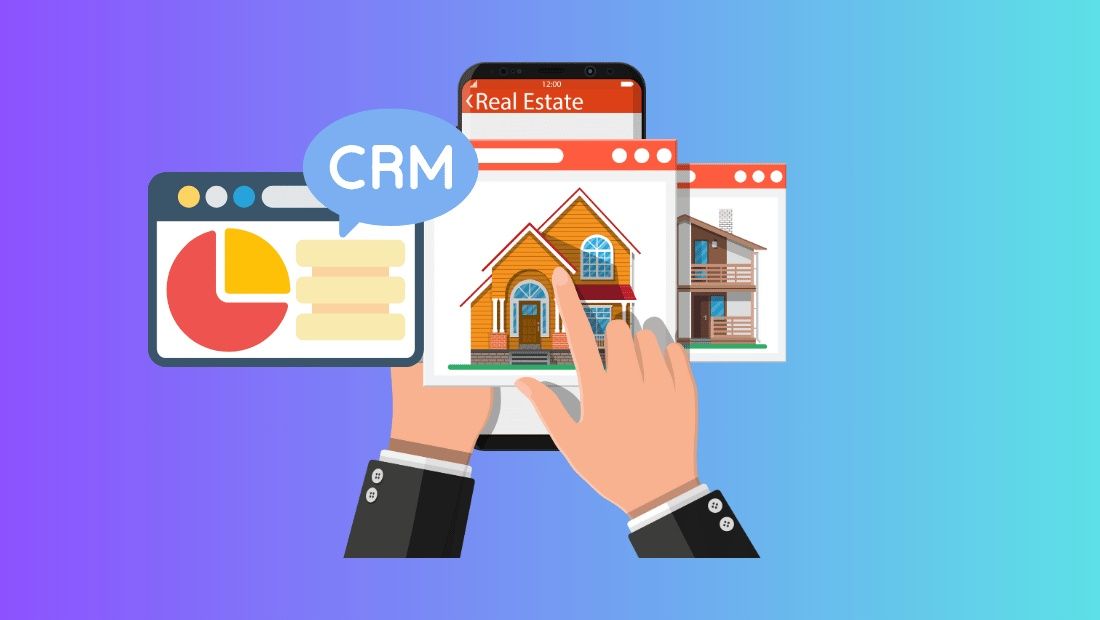
Real estate CRM refers to a structured digital system designed to organize property inquiries, client interactions, and transaction-related information in one centralized platform. The term CRM stands for customer relationship management, and within the property sector it focuses on tracking leads, managing contacts, documenting communication history, and supporting follow-ups across multiple channels.
A real estate CRM exists because property transactions involve long sales cycles, multiple touchpoints, and large volumes of client data. Agents, brokers, and real estate teams often handle dozens of prospects simultaneously, each at different stages of engagement. Without a dedicated platform, this information becomes scattered across emails, spreadsheets, and personal notes.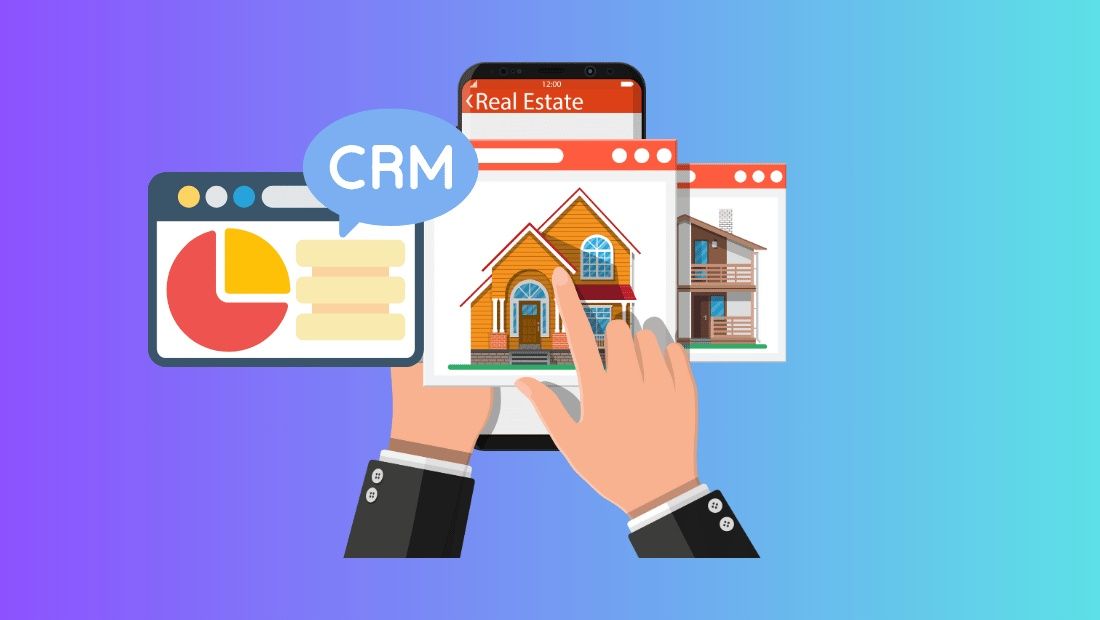
Modern real estate CRM software helps consolidate these activities into a structured workflow, allowing professionals to monitor conversations, organize listings, and maintain visibility over their pipeline. This approach supports consistency and reduces manual tracking across property operations.
Importance: Why Real Estate CRM Matters for Lead Management and Workflow Clarity
Real estate CRM plays an important role in today’s property ecosystem by supporting structured communication and organized lead handling. It affects agents, brokerage firms, property managers, and marketing teams who rely on accurate data to manage client relationships.
Key reasons real estate CRM is widely adopted include:
-
Centralized contact records: All buyer and seller information is stored in one place
-
Improved real estate lead management: Inquiries can be categorized by source, interest level, and follow-up status
-
Communication tracking: Emails, calls, and messages are logged for reference
-
Pipeline visibility: Teams can see where each prospect stands in the property journey
-
Collaboration support: Multiple users can access shared records without duplication
A property CRM system helps reduce missed follow-ups, improves response consistency, and provides better oversight of ongoing property discussions. For growing teams, it also introduces structure into daily operations.
Recent Updates: Evolving Features in Real Estate CRM Platforms
Recent developments in real estate CRM focus on usability, automation, and integration with digital property workflows rather than basic data storage.
Notable trends observed in recent periods include:
-
Automated lead routing: New inquiries are automatically assigned based on predefined rules
-
Integrated communication tools: Messaging and email tracking are increasingly built into CRM dashboards
-
Mobile-first access: Interfaces are optimized for field-based property professionals
-
Analytics-driven insights: Dashboards provide performance summaries for listings and leads
-
Workflow customization: Users can tailor stages based on their internal sales processes
These changes reflect a broader shift toward smarter real estate customer relationship management, where data visibility and task automation support daily productivity.
Laws or Policies: Data Protection and Compliance in Real Estate CRM Usage
Real estate CRM systems operate within regulatory frameworks that govern personal data handling, digital communication, and record retention. While requirements vary by region, several common policy areas influence how CRM platforms are used.
Typical regulatory considerations include:
-
Data privacy laws: Guidelines for storing and processing client information
-
Consent requirements: Rules related to marketing communication permissions
-
Digital recordkeeping standards: Expectations for maintaining transaction documentation
-
Cybersecurity practices: Measures to protect client data from unauthorized access
These regulations impact how real estate CRM software manages contact details, communication logs, and transaction history. Understanding compliance expectations helps organizations maintain responsible data practices.
Tools and Resources: Practical References for Real Estate CRM Planning
Various tools and reference materials support the evaluation and use of real estate CRM systems. These resources help professionals structure workflows and assess performance.
Commonly used tools and references include:
-
CRM comparison frameworks for evaluating feature sets
-
Lead tracking templates to map inquiry sources
-
Pipeline visualization charts for monitoring deal stages
-
Data hygiene checklists for maintaining accurate records
-
Integration guides for connecting CRM platforms with property listing portals
These resources assist teams in building effective real estate lead management processes and improving operational clarity.
Core Functions of a Real Estate CRM
A property CRM system typically supports several interconnected functions:
| Function Area | Primary Purpose | Practical Outcome |
|---|---|---|
| Contact management | Store client information | Organized buyer and seller profiles |
| Lead tracking | Monitor inquiry progress | Clear pipeline visibility |
| Communication history | Record interactions | Context-aware follow-ups |
| Task reminders | Schedule activities | Reduced missed actions |
| Reporting dashboards | Summarize performance | Data-driven planning |
Together, these functions help transform scattered property data into structured workflows.
FAQs
What is real estate CRM used for?
Real estate CRM is used to organize client information, track property inquiries, and manage communication across the sales process.
How does real estate lead management work inside a CRM?
Leads are captured, categorized, and tracked through defined stages, helping teams follow each prospect from initial inquiry to closing.
Is real estate CRM different from general CRM platforms?
Yes. Real estate CRM focuses on property listings, buyer journeys, and transaction timelines, making it more specialized than generic CRM systems.
Who typically uses a property CRM system?
Agents, brokers, marketing teams, and property managers commonly use CRM platforms to manage relationships and daily operations.
Why is data organization important in real estate customer relationship management?
Organized data improves response consistency, reduces manual work, and supports better decision-making across property transactions.
Conclusion: The Role of Real Estate CRM in Modern Property Operations
Real estate CRM has become an essential part of contemporary property management by bringing structure to client interactions, inquiry tracking, and internal workflows. By supporting organized real estate lead management and centralized communication records, CRM platforms help professionals maintain visibility over complex sales cycles.
As property markets become increasingly digital, real estate customer relationship management continues to evolve toward smarter automation, clearer reporting, and more integrated operations. Understanding how CRM systems function enables real estate teams to manage relationships more effectively while maintaining data accuracy and process consistency.